Captain’s Recovery After Seven Months in a Concrete Kennel
Reader Theme:
Font Size:
24px
Captain’s Recovery After Seven Months in a Concrete Kennel
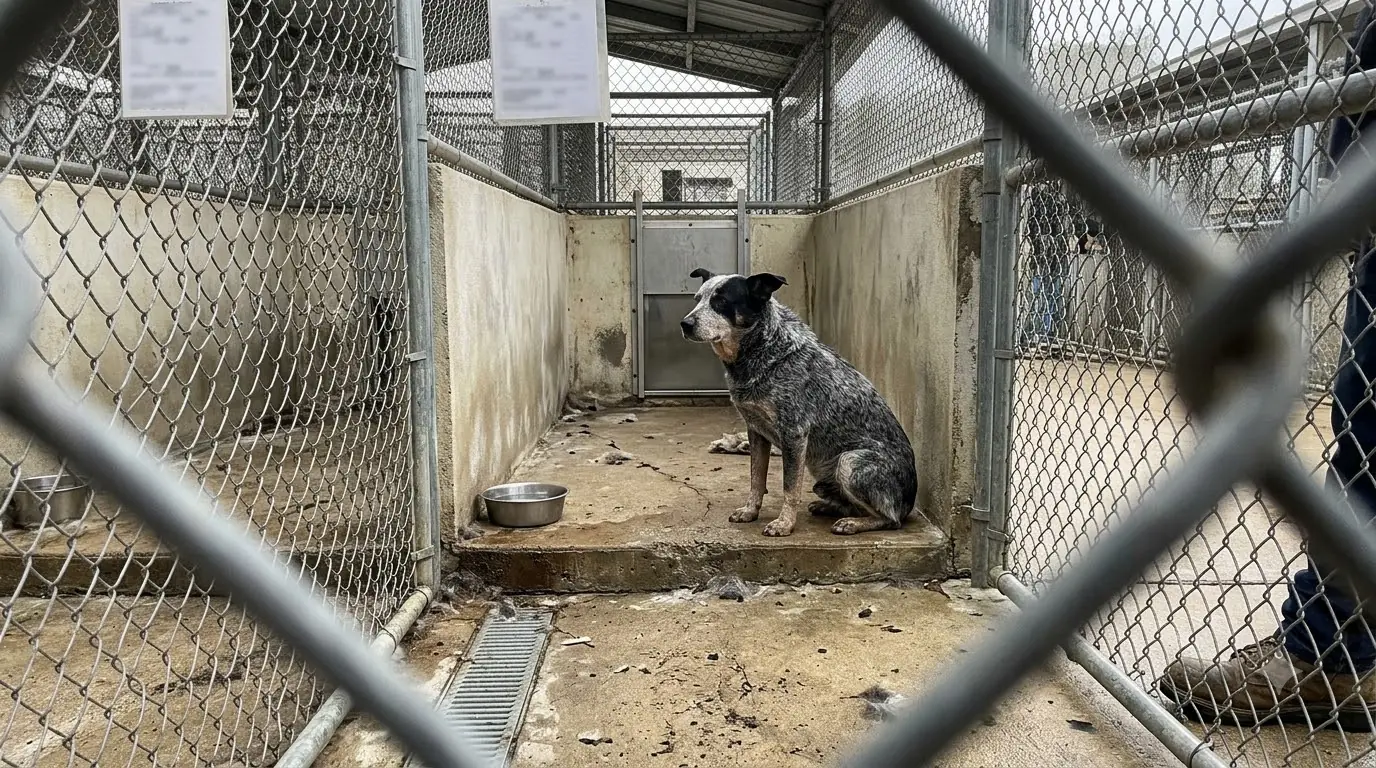
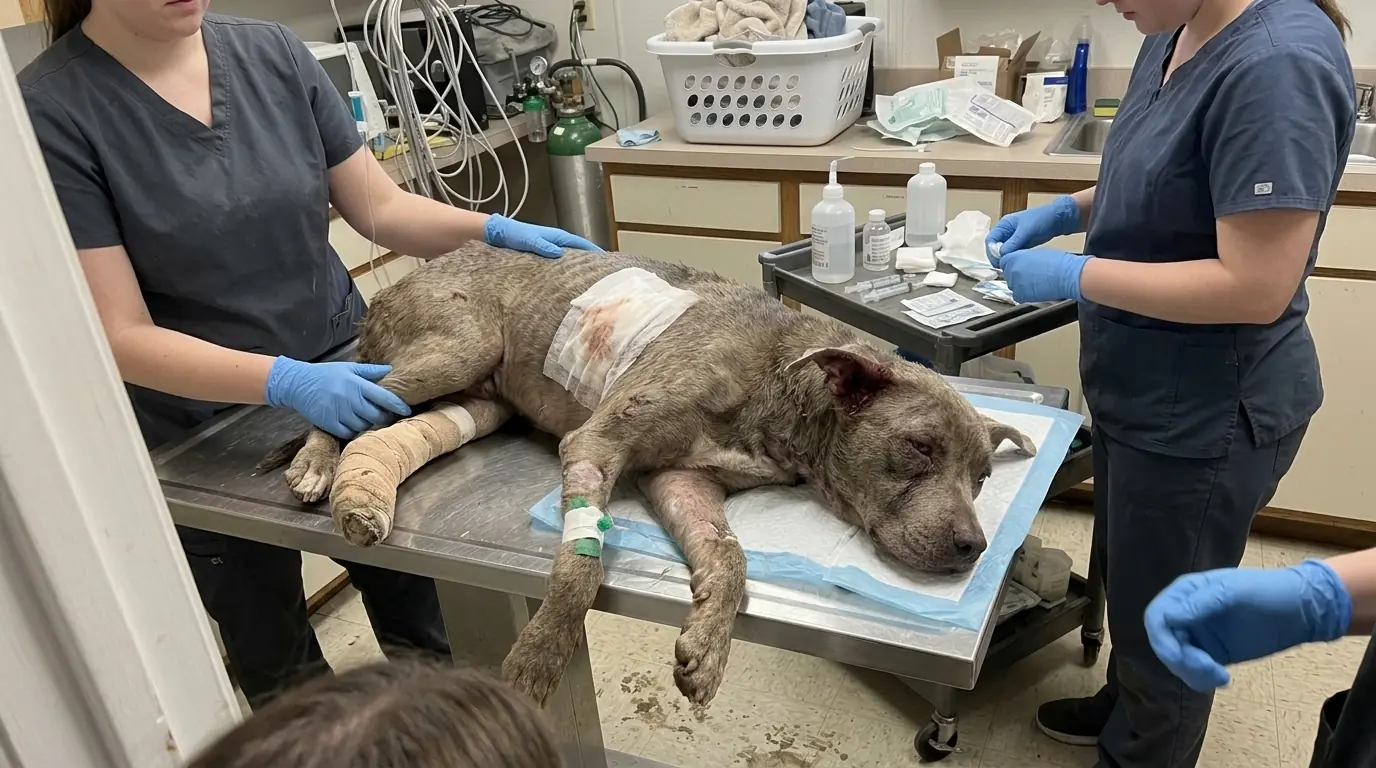
Captain is now living in a quiet medical foster home after spending approximately seven months at the shelter. His physical condition is stable, and he is no longer surrounded by the constant noise and movement that made it difficult for him to relax. However, the veterinary team is still investigating several medical concerns, including the abnormal area found on his first chest X-rays.
Additional imaging showed that the shadow is not located inside Captain’s lungs as initially feared. It appears to be a soft-tissue structure near the base of his heart, where several important blood vessels meet. The image could represent an enlarged lymph node, a benign fatty growth, inflammation, or another type of mass. Because the borders were difficult to define on standard X-rays, the veterinarian could not make a responsible diagnosis from those images alone.
Captain underwent an echocardiogram to examine his heart more closely. The ultrasound showed mild thickening of one heart valve, but his heart is still pumping effectively. There was no fluid around the heart, no evidence of advanced heart failure, and no immediate reason to begin cardiac medication. These findings were encouraging, although they did not fully explain the abnormal shadow.
A specialist has recommended a CT scan of Captain’s chest. This will provide a more detailed view of the structure and help determine whether a needle sample can be collected safely. Captain will need brief sedation for the scan, so his bloodwork and overall condition are being stabilized first. If the structure appears harmless and is not affecting nearby organs, the medical team may choose regular imaging rather than immediate surgery.
His blood tests revealed mild anemia and a slightly elevated white blood cell count. The anemia is not severe enough to require a transfusion, but it may reflect chronic inflammation, inconsistent nutrition, or another underlying condition. The elevated white blood cell count could be connected to his ear and skin infections. The team will repeat the tests after treatment to see whether both values begin returning to normal.
Captain tested negative for heartworm disease and the most common tick-borne illnesses in the region. His liver and kidney measurements were within acceptable ranges, which gives the veterinary team more options for treating his discomfort. His urine test did not show evidence of a serious urinary infection, diabetes, or significant kidney dysfunction.
One of Captain’s most uncomfortable problems was a deep infection in both ears. The ear canals were red, swollen, and packed with dark debris. Years of moisture exposure may have contributed to recurring irritation, particularly if he spent much of his life around a boat dock. Laboratory examination found yeast and bacteria in both ears, with the right side more severely affected.
The veterinary staff gently flushed his ears while he was lightly sedated for imaging. He is now receiving medicated ear drops and an oral medication to reduce inflammation. His foster caregiver cleans only the visible outer portion of each ear and avoids forcing anything into the painful canals. A follow-up examination will determine whether the infection has cleared or whether a longer treatment period is needed.
During his first few days, Captain shook his head frequently and scratched near his right ear. That behavior has already decreased. He now allows his foster caregiver to lift the ear flap and apply medication if the process is slow and followed by a treat. He still turns away when the bottle appears, but he no longer retreats to the far side of the room.
Captain also has areas of thinning fur and irritated skin along his lower back, belly, and the base of his tail. Flea debris was found in his coat, although no severe open wounds were present. Skin samples showed a secondary bacterial infection, likely worsened by scratching and prolonged stress. He received parasite prevention, a medicated bath, and treatment for the infection.
His coat remains rough, but the redness along his belly is fading. He scratches less often and has started resting without repeatedly shifting position. Small patches of new hair are visible along the edge of one affected area. His skin treatment will continue for several weeks, and the veterinarian may investigate environmental or food-related allergies if the irritation returns after the infection has resolved.
Captain’s teeth tell another part of his history. Several are worn down, possibly from chewing hard objects or gripping ropes and other materials around the dock. He also has tartar buildup and gum inflammation, but no broken jaw or oral mass was found. Two damaged teeth may need to be extracted during a future dental procedure.
The dental work is not being scheduled until the chest scan is complete. In the meantime, Captain receives softened food so he does not have to place unnecessary pressure on the painful teeth. An oral rinse is being used when he tolerates it, and his caregivers monitor for facial swelling, bleeding, dropped food, or any sudden reluctance to eat.
Captain arrived at the clinic slightly underweight, with noticeable muscle loss over his hips and thighs. He was not dangerously thin, but his body condition suggested that he had been inactive for an extended period. Spending months in a confined kennel likely contributed to the weakness, especially because he was often too anxious to walk normally when taken outside.
X-rays of his hips and lower spine showed mild arthritis and age-related changes but no fracture or severe joint deformity. His knees remained stable during examination. The veterinarian believes much of his current weakness can improve through gradual conditioning, although the arthritis will need long-term management.
He is receiving pain relief at a conservative dose, along with a veterinarian-approved joint supplement. His foster home has nonslip rugs over the smooth floors and a low orthopedic bed that does not require him to climb. For now, his exercise consists of several short, slow walks each day. The goal is to rebuild muscle without causing exhaustion or worsening his joint soreness.
At first, Captain stopped after only a few yards and turned back toward the house. He seemed uncomfortable walking through narrow doorways and became tense whenever a metal gate moved nearby. His foster caregiver never pulled him forward. She waited beside him, allowed him to study the area, and rewarded each voluntary step.
By the end of his first week, Captain could walk to the end of the driveway and return at a steady pace. He still moves stiffly after waking, but his stride loosens once he has taken several steps. On a recent morning, he followed a scent into the grass and spent almost a minute exploring before looking back toward his caregiver.
His appetite has also improved. During his first night away from the shelter, Captain would not eat while anyone was present. A bowl of warm, softened food was left near his bed, and he ate about one-third of it after the room became quiet. The following morning, he accepted a small piece of chicken by hand but dropped it once before trying again.
Captain now eats three smaller meals each day and usually finishes them. Warm water is added to the food for hydration and to make chewing easier. He has gained a little weight, though the team is intentionally keeping the process slow. Sudden weight gain would place additional pressure on his joints and would not rebuild the lost muscle effectively.
Because Captain reportedly spent much of his life near the water, his behavior outdoors is especially noticeable. He becomes alert when he hears gulls, boat motors, or water moving against a shoreline. Those sounds do not appear to frighten him in the same way that kennel noise does. Instead, his ears lift, his breathing slows, and he turns toward the source.
His foster home is not directly on the water, but there is a quiet pond nearby. The first visit was kept brief and carefully controlled. Captain stood several feet from the bank with a secure harness and looked across the surface for a long time. He did not pull toward the water or attempt to enter it. He simply watched, sniffed the air, and then sat beside his caregiver.
We cannot know precisely what Captain remembers or associates with that environment. Still, his body language suggested that the open space and familiar sounds were easier for him to process than the confinement of the shelter. Future visits will remain short, and he will never be allowed near open water without a secure leash and close supervision.
Emotionally, Captain is making progress, but seven months of withdrawal will not disappear in a few days. He remains sensitive to loud voices, clanging metal, and sudden movement above his head. When startled, he freezes rather than running or defending himself. His caregivers give him room to recover instead of reaching for him immediately.
For the first several nights, Captain slept facing the front door. Even when he appeared exhausted, his ears remained alert to every sound. He changed positions frequently and lifted his head whenever someone moved through the house. A covered crate was offered as an optional resting space, but the door was left open so he would not feel trapped.
Captain eventually chose a padded bed beside the living room wall. He now sleeps there for several hours at a time, sometimes stretched on one side with his paws relaxed. His foster caregiver recently walked through the room without waking him, something that had not happened during his first week.
He is beginning to seek contact in small, deliberate ways. Captain does not climb onto furniture or demand attention. Instead, he stands several feet away and watches. If his caregiver sits quietly, he may approach and place his shoulder within reach. Gentle rubbing along his neck and chest is more comfortable for him than having a hand placed over his head.
One evening, Captain followed his caregiver from the kitchen into the living room and lowered himself beside her chair. When she stopped petting him, he leaned closer instead of walking away. Later, he rested his muzzle on the edge of her shoe and fell asleep. These are modest changes, but they show that he is beginning to form a new sense of safety.
He has not displayed aggression toward people. Introductions to other animals are being handled cautiously because his history with dogs and cats is unknown. From a distance, Captain can observe a calm dog without barking or lunging, but he becomes stiff if the other dog approaches too quickly. No direct, unrestricted meeting will occur until his medical condition and stress level are better understood.
The next major step is Captain’s CT scan. Before that appointment, the team will repeat his complete blood count to see whether treatment for the infections has improved his anemia and white blood cell count. If the results are satisfactory, he will undergo the scan with continuous monitoring of his heart rate, blood pressure, oxygen level, and breathing.
If the chest abnormality can be sampled safely, the specialist may collect cells during the same visit. Those cells would be examined by a pathologist to look for inflammation, infection, or cancer. A nondiagnostic sample is possible, and further testing may be necessary. We will not make assumptions until the specialist has clearer evidence.
If the mass is benign and stable, Captain may need follow-up imaging every few months. If it is inflammatory, medication could help reduce it. If testing identifies cancer, the veterinary team will discuss whether surgery, oncology treatment, or comfort-focused management offers him the best quality of life. His comfort and ability to enjoy normal daily activities will guide every decision.
Captain is not ready for adoption yet. He needs the chest abnormality fully evaluated, his infections cleared, his dental needs addressed, and his strength improved. More importantly, he needs time to learn that a person leaving the room does not mean they are gone forever.
For now, Captain has a predictable schedule. His meals arrive at the same times, the same person gives his medication, and his walks follow a familiar route. Each evening, his foster caregiver returns to the chair beside his bed. Captain no longer watches her every second. Sometimes, he simply closes his eyes.
His future still carries unanswered medical questions, but he is no longer sitting alone inside a concrete kennel beneath a sign that reduces his life to a few sad sentences. Captain now has a soft place to sleep, patient hands caring for him, and a veterinary team committed to finding the cause of the shadow in his chest.
After months of waiting, he is beginning to participate in the world around him again. He eats while his caregiver remains nearby, explores the grass at his own pace, and lifts his tail when the harness comes out. Captain is still grieving, healing, and learning, but he is finally safe enough to begin.
News in the same category
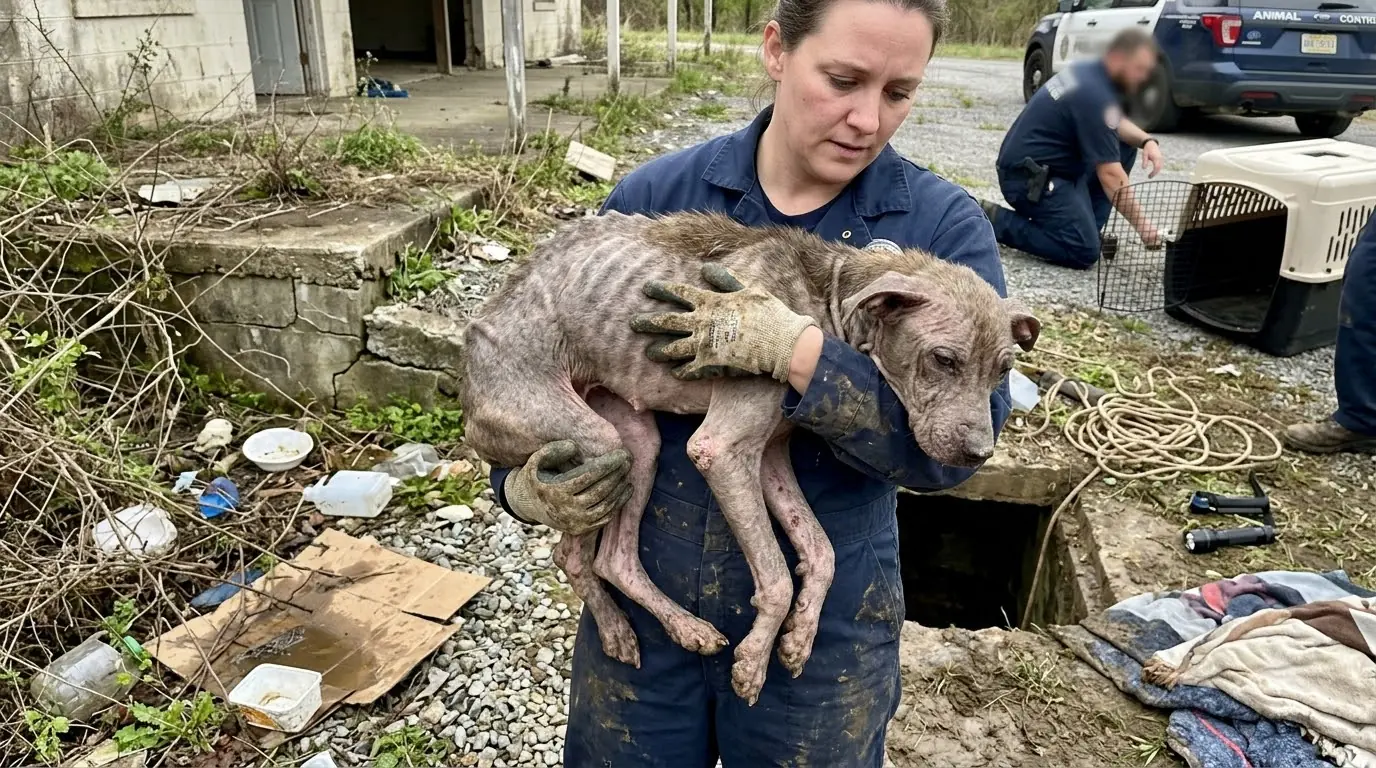
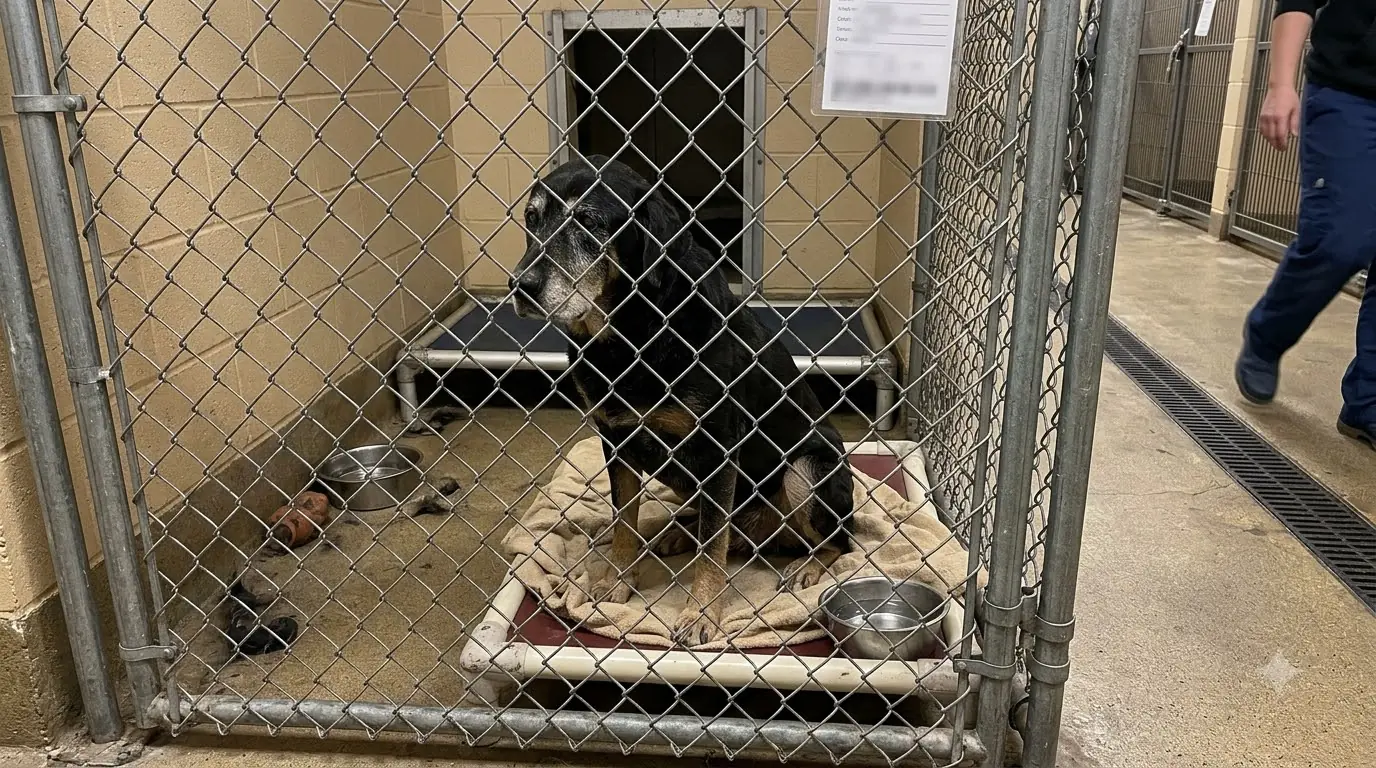
Daily’s Recovery After Losing Her Owner at Age 11
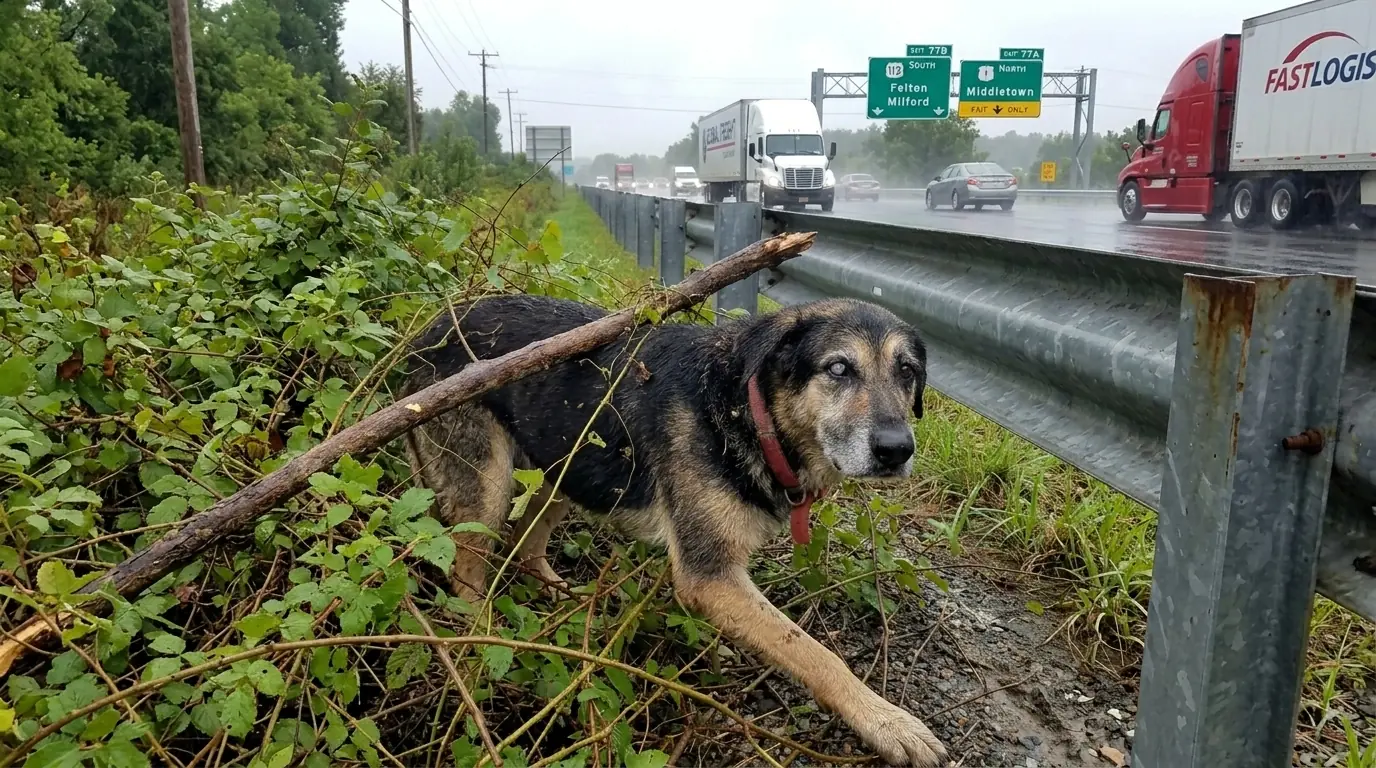
A Frightened Dog Was Found Trapped in a Thorn Bush Beside the Highway
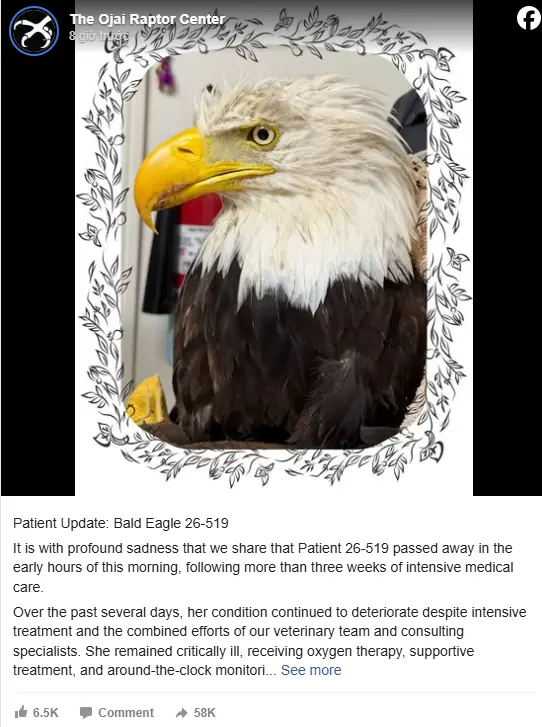
Big Bear's viral eagle Jackie dies after weeks of intensive care
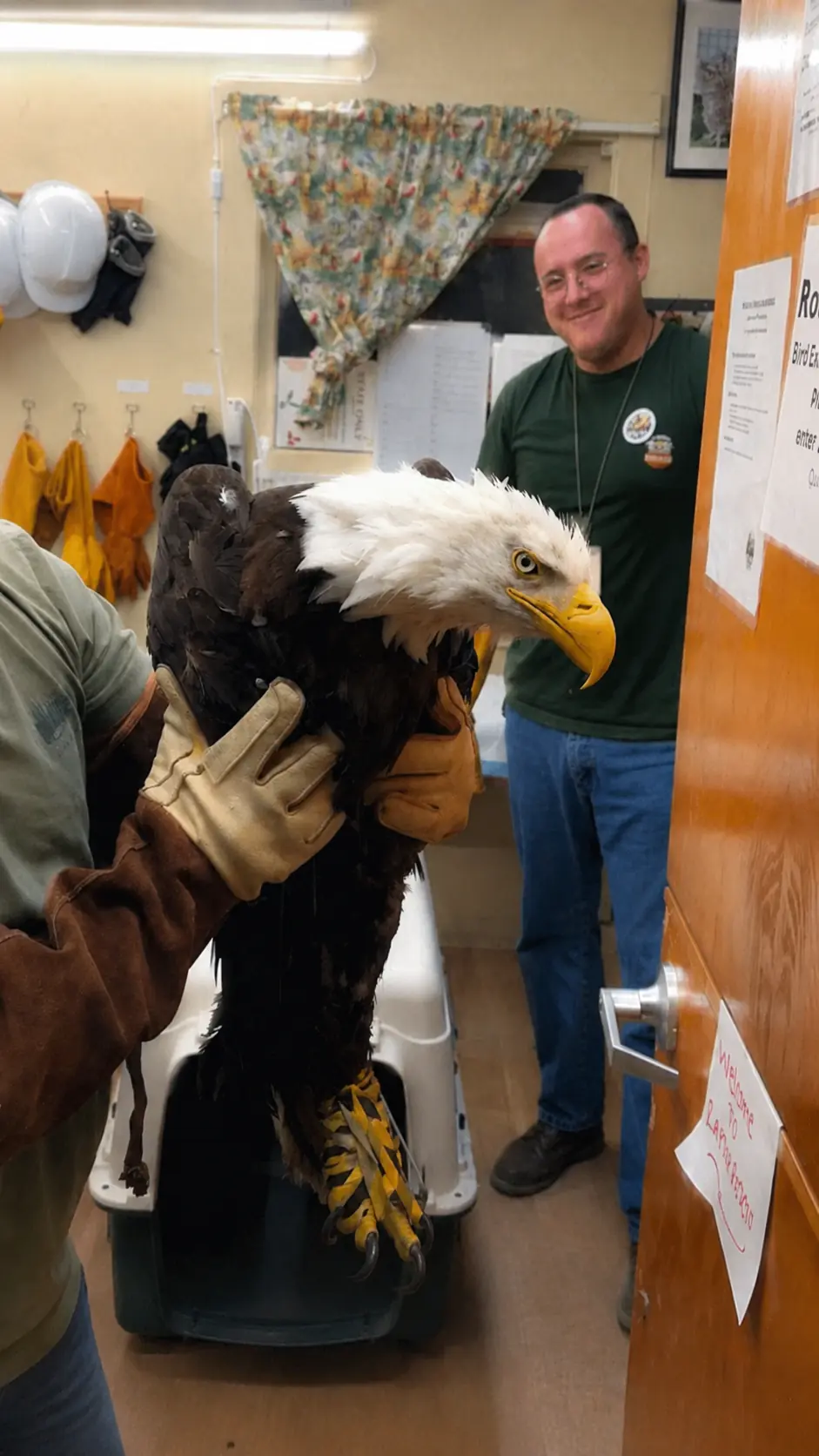
NEW UPDATE: Jackie the eagle endures 'difficult' 24 hours
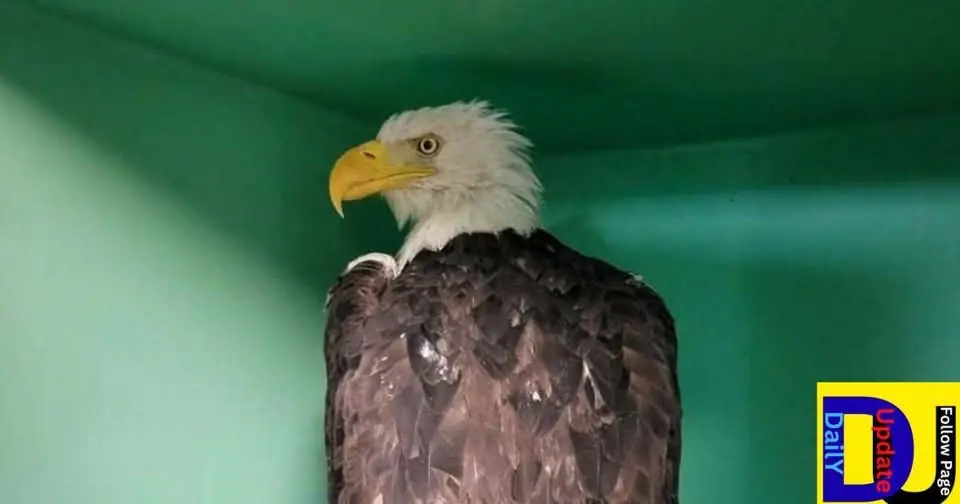
NEW UPDATE: Vets share 'difficult news' about Big Bear bald eagle Jackie
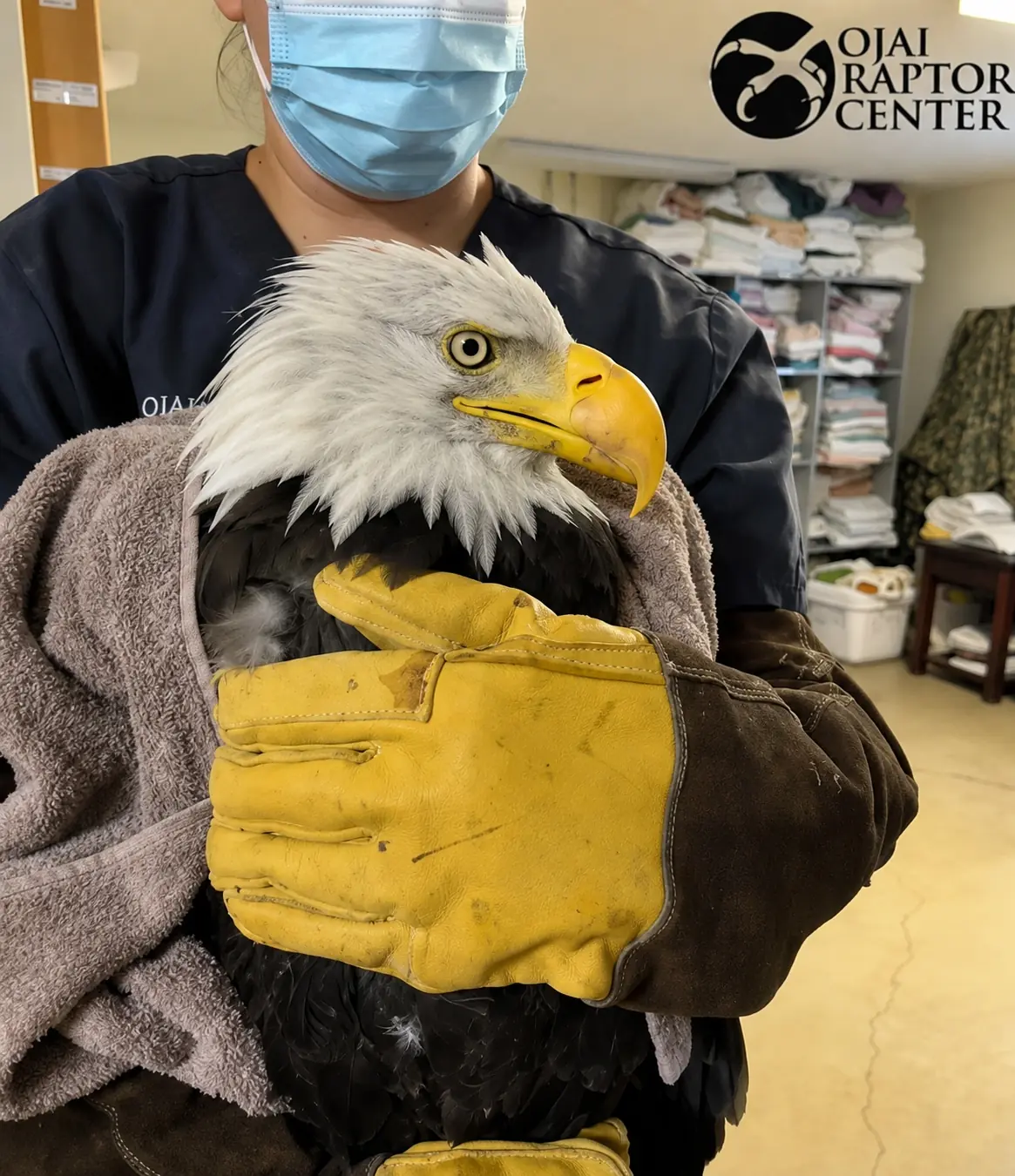
Jackie the eagle’s caregivers face intense response
Jackie the eagle’s caregivers face intense response

Jackie the bald eagle's recovery takes a worrying turn after latest health update
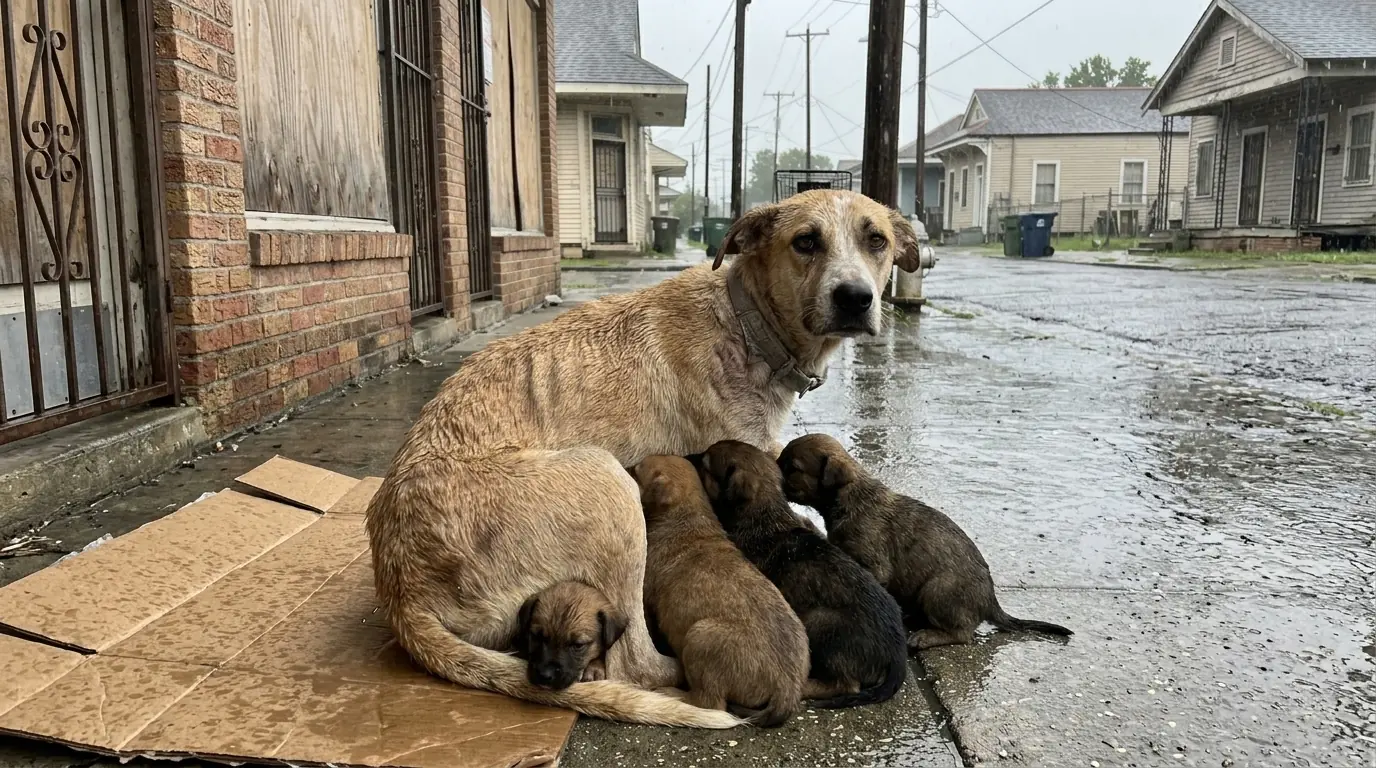
A Mother Dog Shielded Her Five Puppies Through a Violent Rainstorm
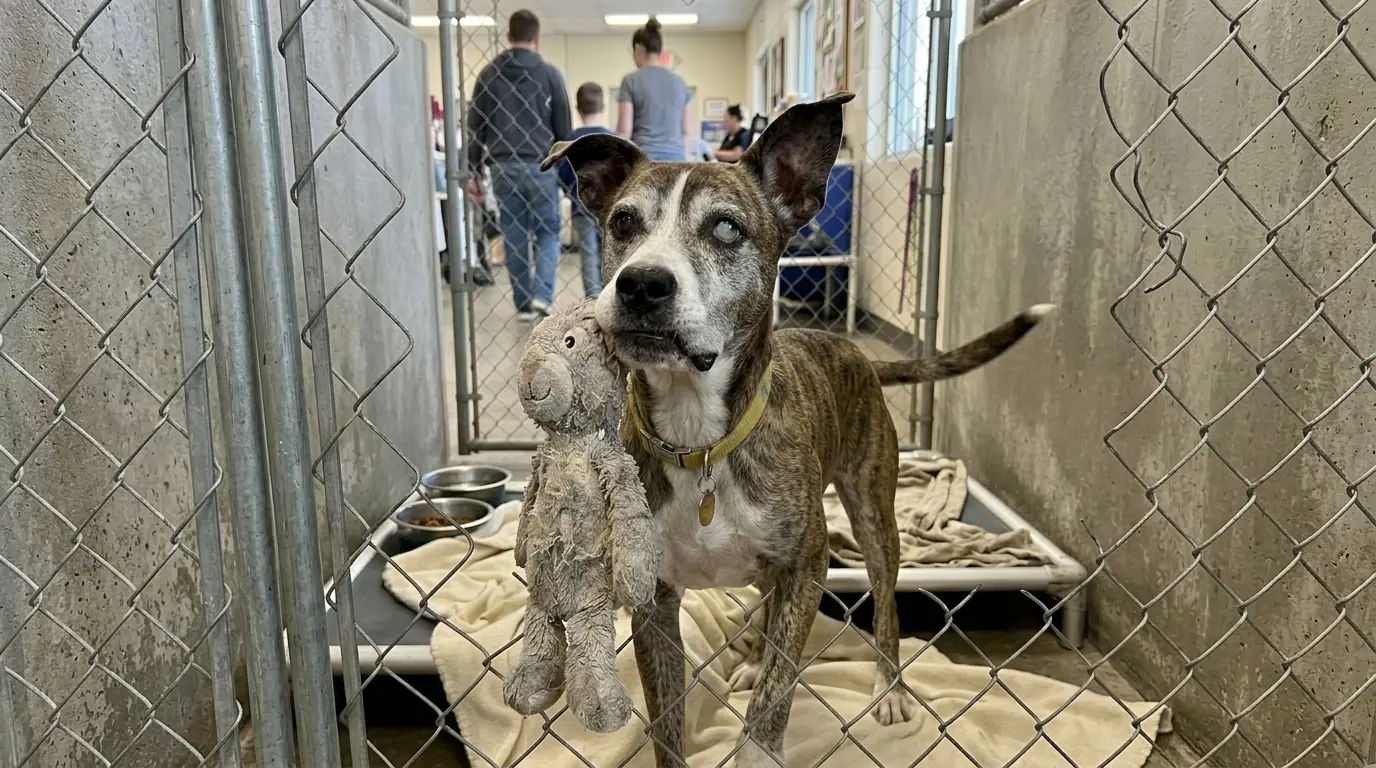
The Blind Dog Who Refused to Let Go of His Tattered Stuffed Lamb
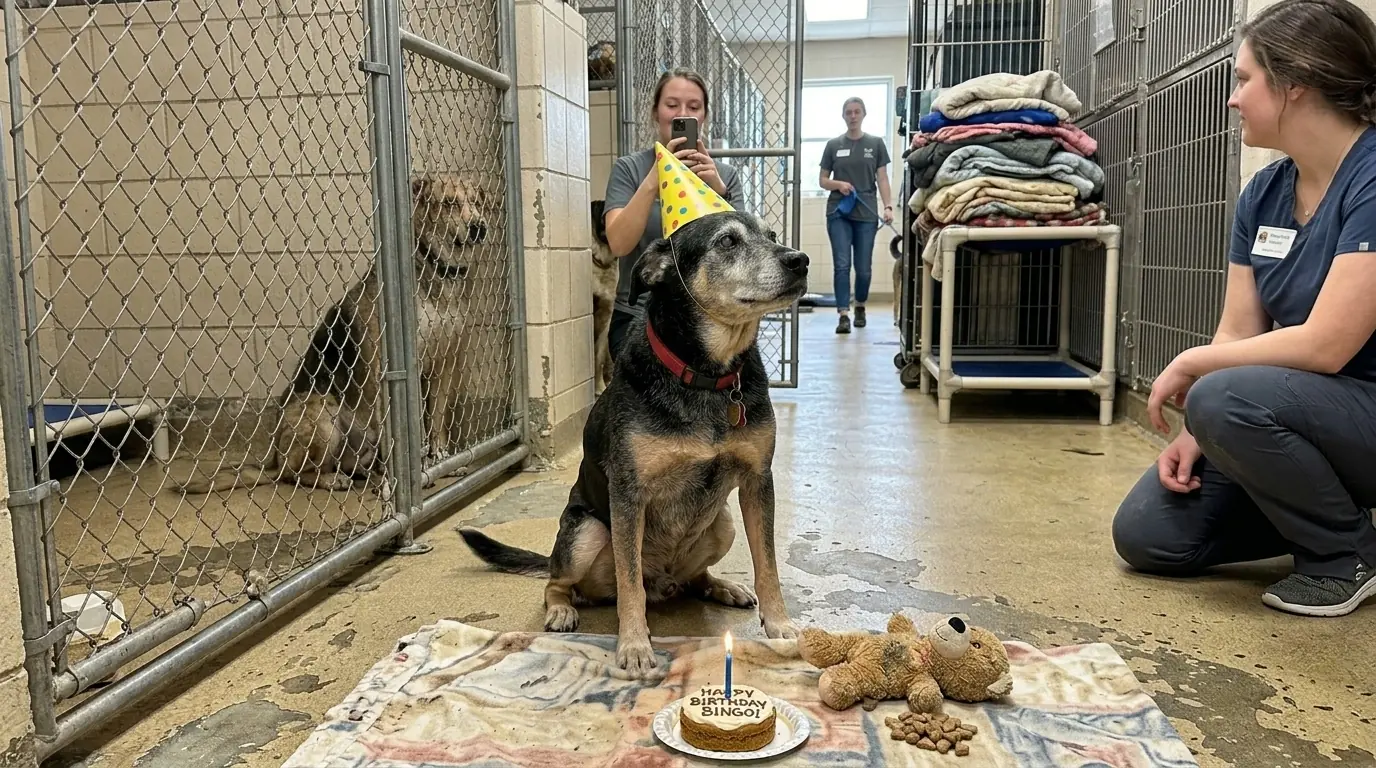
Bingo Celebrates His First Birthday After Spending an Entire Year at the Shelter
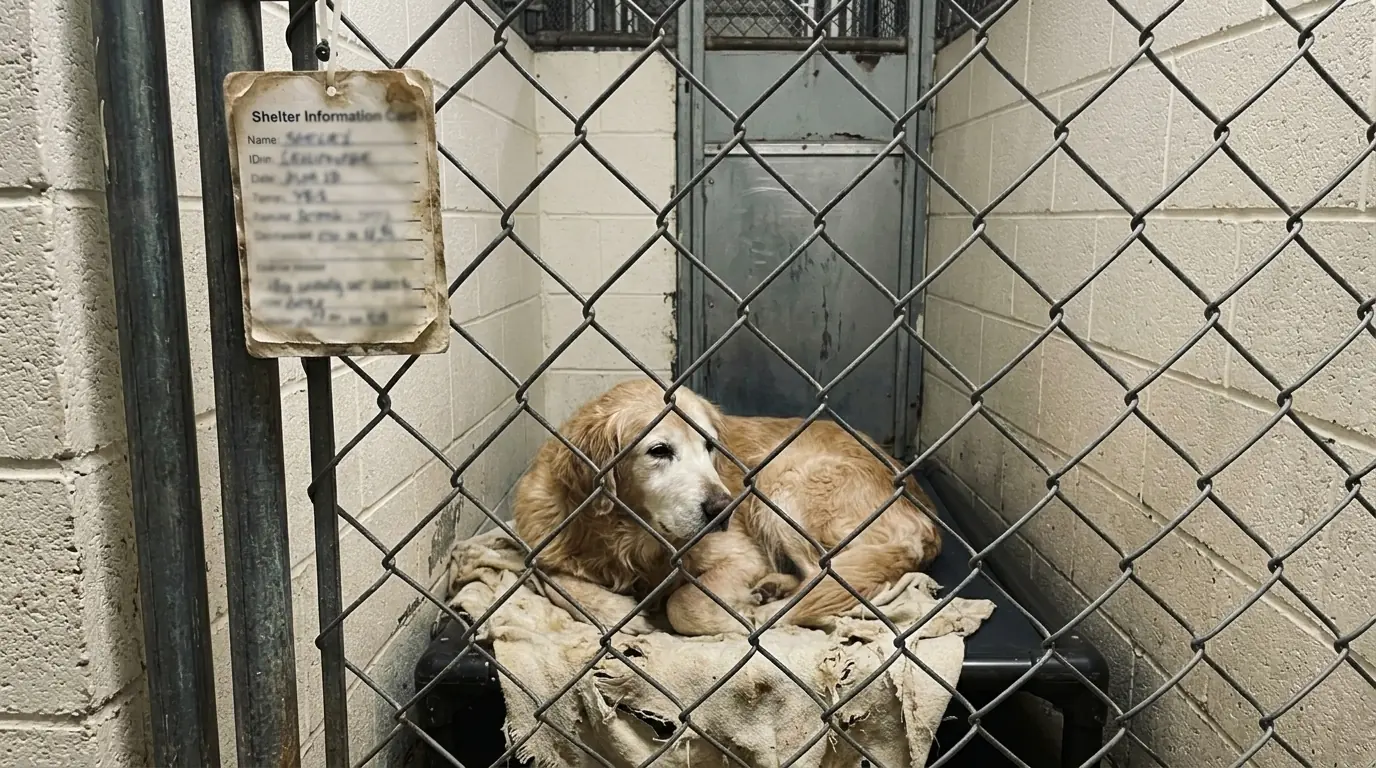
Sam Still Sleeps on the Blanket Left Behind When His Family Moved Away
Big Bear bald eagle Jackie's fight for survival continues as mystery illness remains unknown
Toby’s Recovery After Being Found Exhausted on a Street Corner
Bailey’s Recovery After Being Rescued Last From a House Fire
Charlie’s Daily Walk to His Former Owner’s Grave