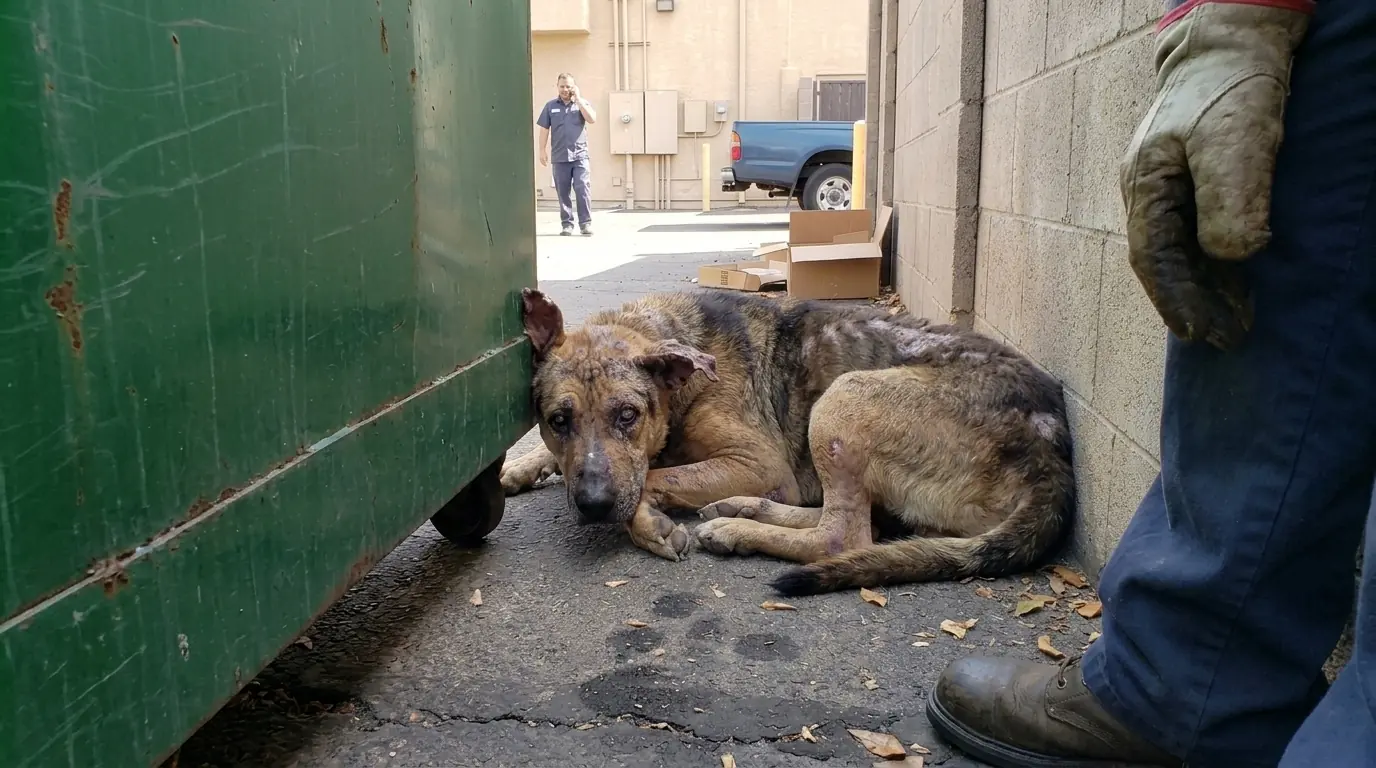
Emergency River Rescue Saves Stray Dog Entangled in Abandoned Fishing Net
Emergency River Rescue Saves Stray Dog Entangled in Abandoned Fishing Net
The dog was no longer trying to escape.
Every struggle only tightened the abandoned fishing net wrapped around his body.
Lying alone on a deserted riverbank, the exhausted stray had become hopelessly entangled in a thick commercial fishing net likely discarded months earlier. Heavy nylon mesh had twisted around his neck, chest, abdomen, and all four legs, cutting deeper into his skin every time he moved. His soaked black coat was matted with algae, reeds, river mud, and stagnant water, making it almost impossible to distinguish the rope from his fur.
His breathing had become frighteningly shallow.
One eye remained swollen nearly shut after hours of rubbing against coarse nylon strands. Deep rope burns circled his neck and chest, while dried blood stained the fur around his muzzle. Every slow breath caused the net to tighten even further against his ribs.
By the time rescuers found him, he had almost stopped struggling altogether.
A Dangerous Rescue Along the River
A fisherman noticed the dog while checking abandoned boats along a neglected stretch of riverbank following several days of heavy rain.
At first glance, the dog appeared lifeless beneath the tangled net.
Only the slow movement of his chest revealed he was still alive.
Animal rescue volunteers arrived with emergency veterinary personnel and immediately recognized the greatest danger.
The fishing net had become tensioned around the dog's body.
Cutting the wrong strand first could cause remaining loops to tighten suddenly around his neck or chest.
Rather than pulling on the net, rescuers first sedated the dog lightly to reduce panic and unnecessary movement.
Using blunt-tipped trauma scissors, specialized rescue knives, and wire cutters for embedded metal swivels, they removed each loop individually while another rescuer supported the dog's body to prevent further compression.
The procedure required nearly one hour.
When the final loop was cut away, the dog's body remained motionless from exhaustion.
He was immediately transported to the nearest 24-hour emergency veterinary hospital.
Critical Stabilization
Emergency technicians began treatment within minutes of arrival.
Two intravenous catheters were placed while warmed balanced crystalloid fluids corrected dehydration and circulatory shock.
Supplemental oxygen was provided because prolonged chest compression had significantly increased his breathing effort.
Continuous ECG monitoring, pulse oximetry, blood pressure measurement, respiratory monitoring, and active warming therapy were initiated immediately.
His Body Condition Score measured 2 out of 9, confirming severe chronic malnutrition.
His body temperature measured 98.2°F (36.8°C).
His gums appeared pale, and capillary refill time exceeded three seconds, indicating poor tissue perfusion.
The Net Had Caused More Damage Than Expected
After carefully removing mud, algae, and debris from his coat, veterinarians documented multiple circumferential constriction injuries.
Deep rope burns surrounded his neck, chest, abdomen, and all four limbs where the nylon mesh had remained under constant tension.
Several wounds extended through the full thickness of the skin into underlying subcutaneous tissue.
The neck injuries were especially concerning.
Although the larynx and trachea remained intact, prolonged compression had produced extensive soft tissue swelling that partially narrowed his upper airway.
The injured left eye also required immediate ophthalmic examination.
Fluorescein staining revealed a large superficial corneal ulcer caused by repeated friction against coarse nylon fibers.
Fortunately, the globe itself remained intact.
Advanced Diagnostics
Whole-body radiographs showed no fractures despite prolonged entanglement.
Thoracic radiographs demonstrated mild pulmonary edema secondary to prolonged chest compression but no evidence of pneumothorax.
Complete blood count revealed moderate anemia, dehydration, elevated white blood cell counts, and increased inflammatory markers consistent with severe wound infection.
Serum chemistry identified low albumin, mild electrolyte abnormalities, and elevated creatine kinase resulting from prolonged muscle compression while trapped.
Bacterial cultures obtained from the infected rope burns later identified multiple environmental organisms commonly associated with polluted freshwater environments, allowing antibiotics to be adjusted according to sensitivity testing.
Intensive Medical Treatment
Every wound underwent extensive surgical debridement under general anesthesia.
Several liters of sterile saline were used to flush contaminated tissue before necrotic skin and embedded debris were carefully removed.
The deepest constriction wounds could not be closed immediately.
Instead, veterinarians applied advanced moist wound dressings to promote healthy granulation tissue while allowing infected areas to heal from the inside outward.
Broad-spectrum intravenous antibiotics were administered immediately.
Pain management included continuous opioid infusion, ketamine-based analgesia, and anti-inflammatory medication once kidney function and hydration stabilized.
Special ophthalmic medication was started to protect the injured cornea and prevent permanent vision loss.
Supporting Recovery
The first seventy-two hours remained critical.
Because chest compression had restricted normal breathing for many hours, oxygen supplementation continued until repeat thoracic radiographs confirmed resolution of pulmonary changes.
Daily wound assessments demonstrated healthy granulation tissue replacing infected surfaces.
Repeat bloodwork showed steadily declining inflammatory markers as antibiotic therapy successfully controlled the infection.
Nutrition specialists developed a carefully monitored high-protein recovery diet to support wound healing while safely reversing prolonged starvation.
Within one week, his appetite had returned completely.
Rehabilitation
Once his wounds became stable, rehabilitation specialists focused on restoring mobility.
Passive range-of-motion exercises prevented stiffness caused by prolonged immobilization.
Controlled leash walks gradually strengthened weakened muscles while avoiding excessive tension on healing skin.
Laser therapy and therapeutic bandaging accelerated healing of the deepest rope burns.
Over the following weeks, healthy fur slowly replaced the scarred areas where the fishing net had once cut deeply into his body.
His corneal ulcer healed completely without affecting vision.
Learning to Trust Again
During his first days in the hospital, anything resembling a rope caused visible panic.
Leashes, towels, even loosely hanging IV tubing made him freeze in fear.
The veterinary behavior team introduced gradual desensitization using positive reinforcement, gentle handling, and food rewards.
Week by week, his confidence returned.
The frightened dog who once lay helplessly beside polluted water began greeting caregivers with enthusiastic tail wags and eagerly followed staff members during rehabilitation sessions.
His quiet spirit slowly transformed into playful curiosity.
A Life No Longer Entangled
Eleven weeks after his rescue, follow-up examinations confirmed complete healing of his wounds, full resolution of the eye injury, and normal respiratory function.
His Body Condition Score improved from 2/9 to 5/9, and his bloodwork had returned entirely to normal.
Today, he lives safely with a foster family while waiting for adoption.
Instead of lying trapped beneath an abandoned fishing net on a forgotten riverbank, he now spends his days running through open fields, swimming safely under supervision, and sleeping peacefully in a warm home.
His remarkable recovery is a powerful reminder that abandoned fishing gear continues to endanger countless animals—but with rapid rescue, advanced veterinary care, and dedicated rehabilitation, even the most desperate entanglement can become the beginning of a completely new life.
Tags:
News in the same category
Benny’s Recovery After Being Found on the Street
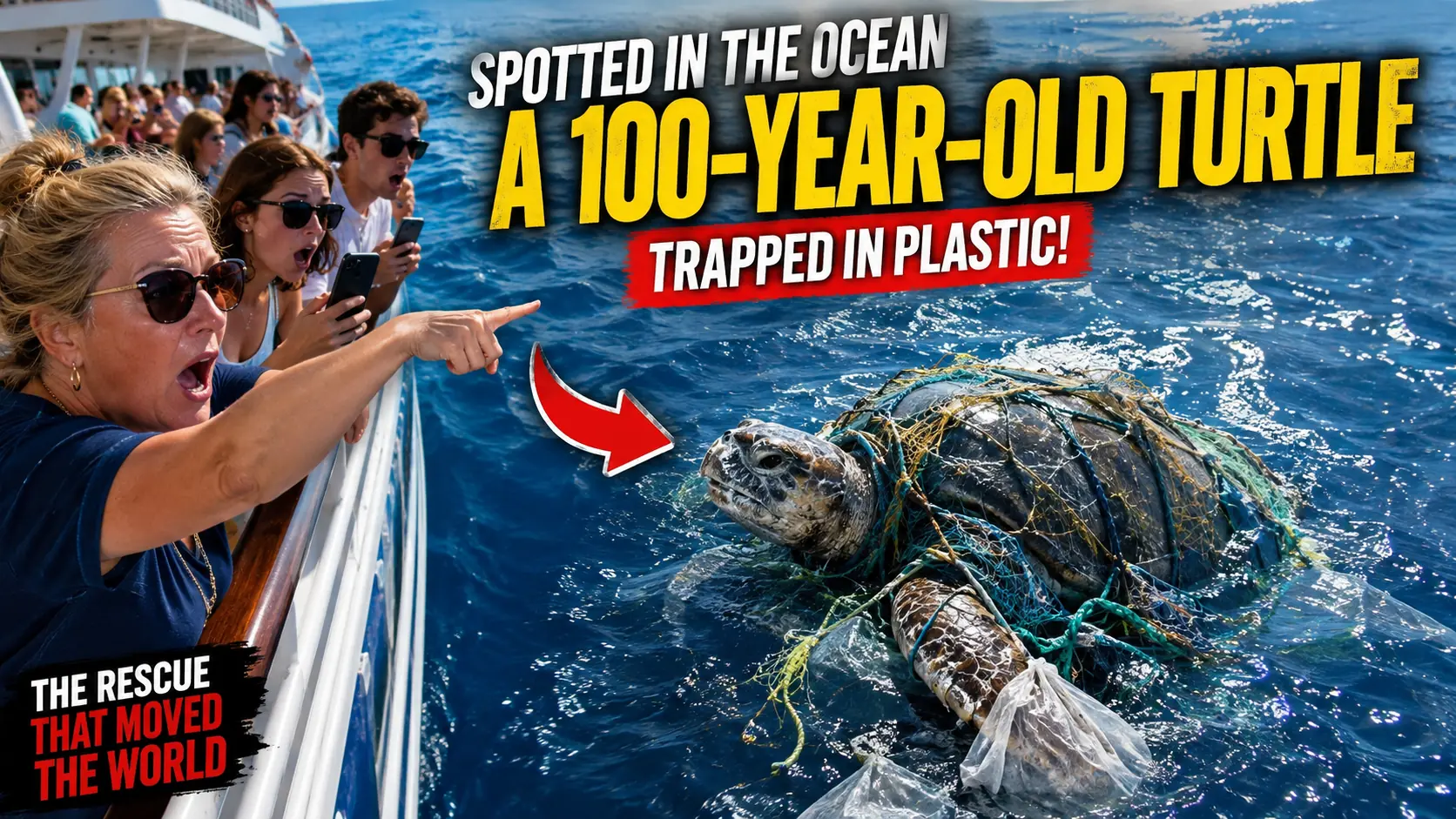
Cruise Tourists Spotted a 100-Year-Old Sea Turtle—Then They Saw What Was Wrapped Around It
Mabel’s Rescue and Her Journey with Seven Puppies
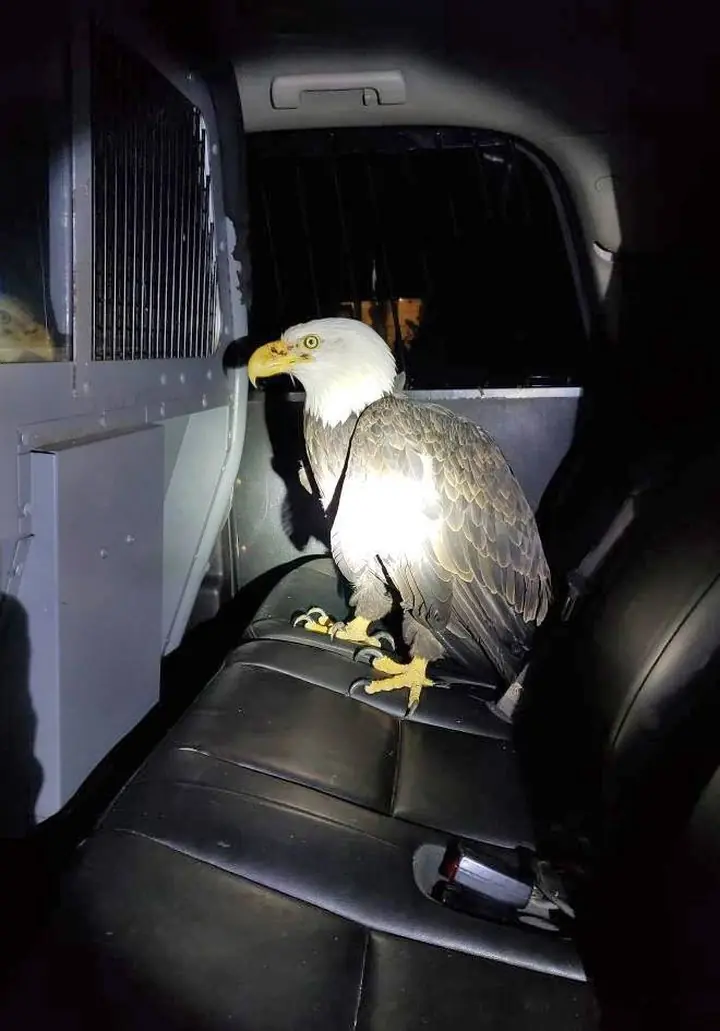
He was injured, sitting quietly in the back of a police car. Here's the latest update on his condition
A SMALL-TOWN POLICE OFFICER BROUGHT AN INJURED BALD EAGLE BACK TO THE STATION
A SMALL-TOWN POLICE OFFICER BROUGHT AN INJURED BALD EAGLE BACK TO THE STATION
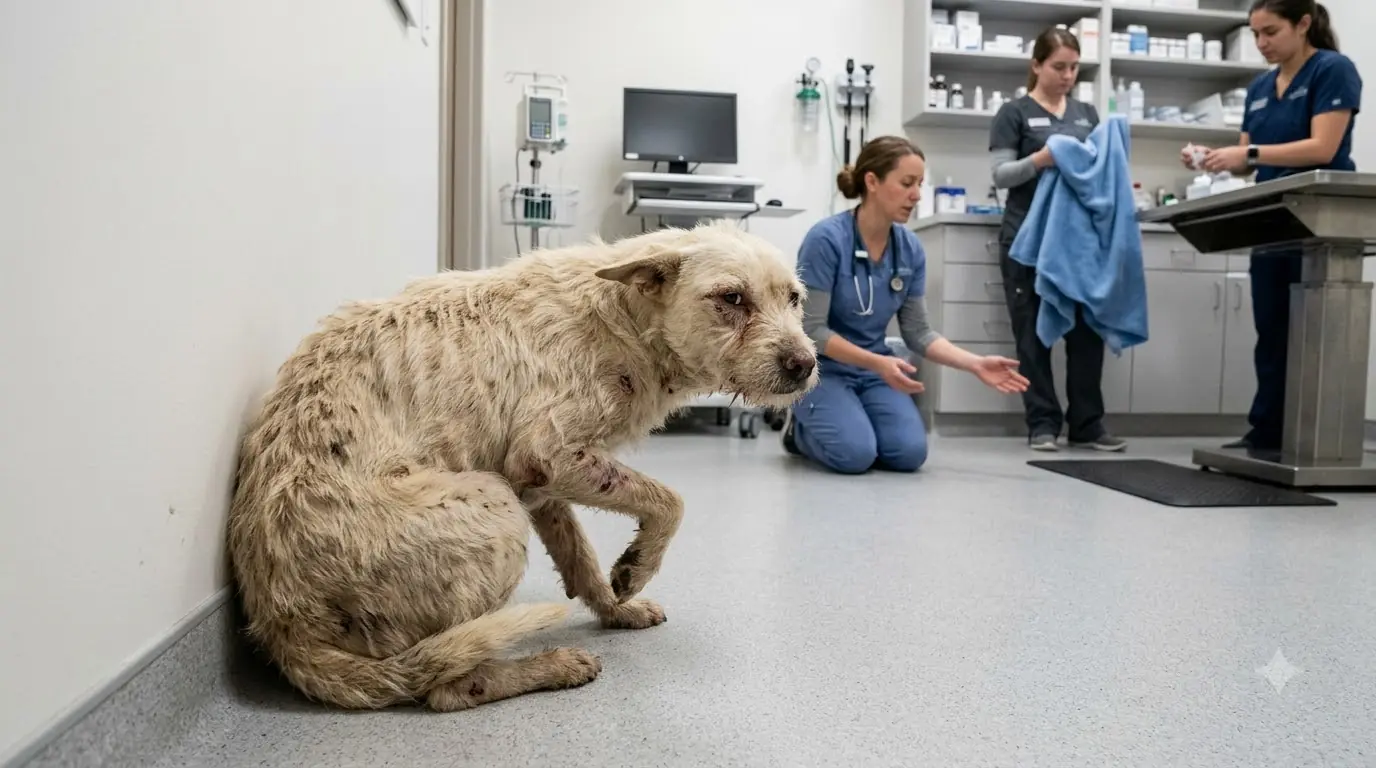
Emergency Veterinary Team Fights to Save Critically Injured Stray Dog Too Frightened to Stand
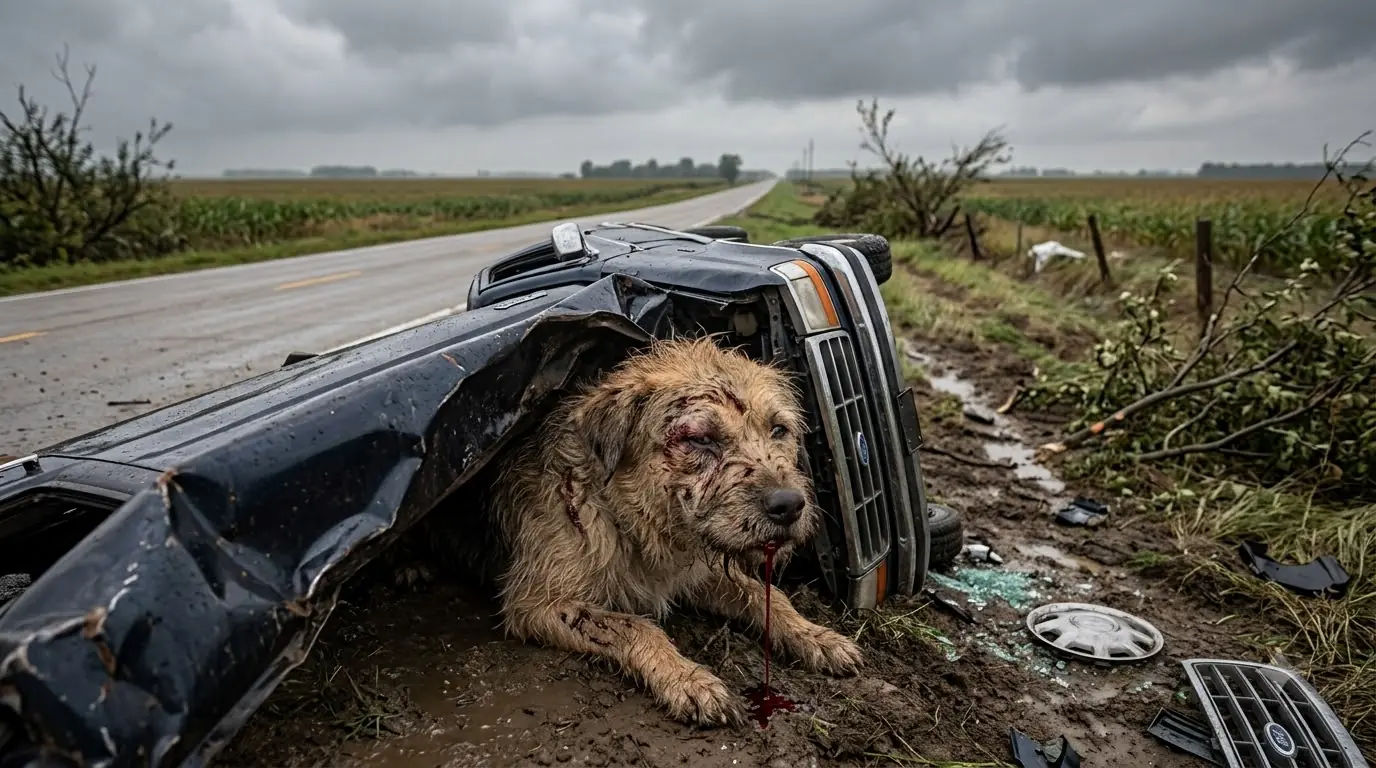
Emergency Highway Rescue Saves Stray Dog Trapped Beneath Overturned Pickup Truck After Violent Storm
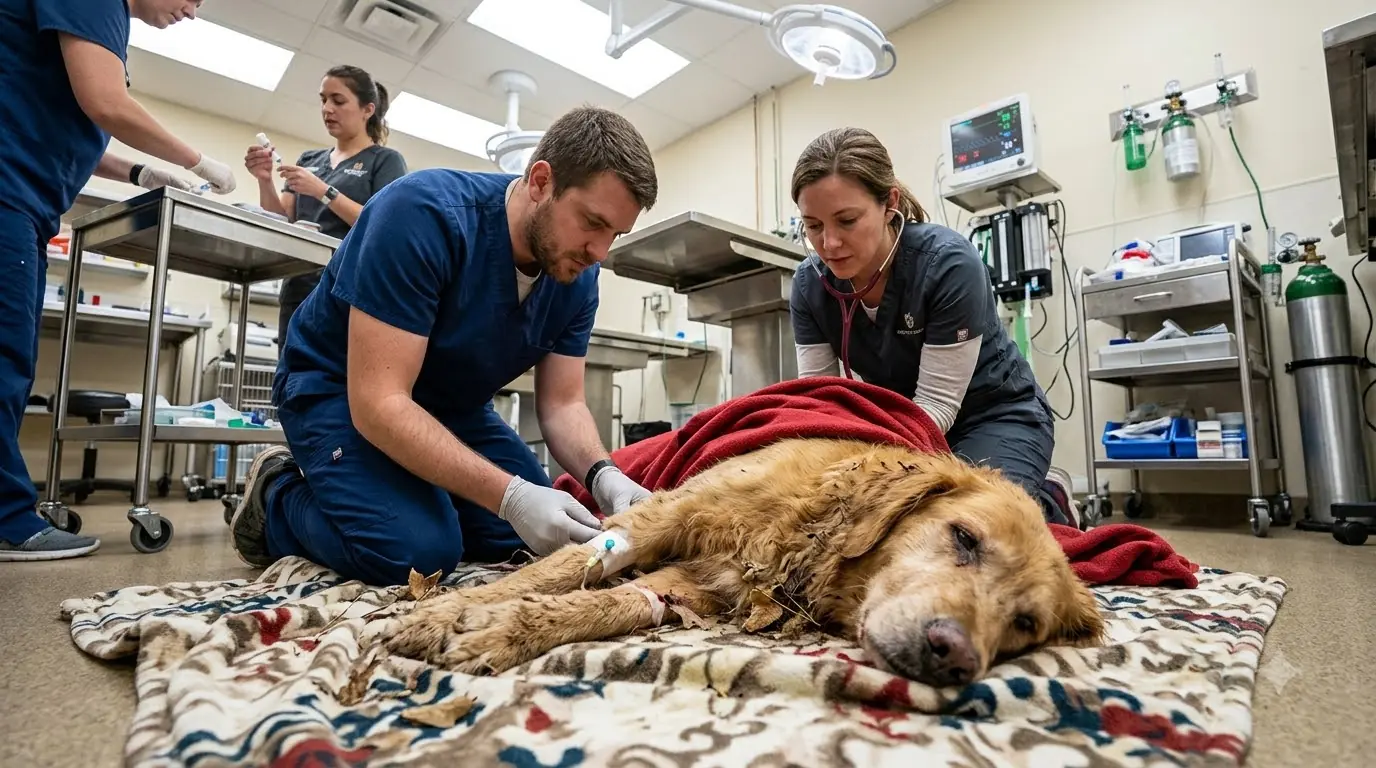
Emergency Veterinary Team Helps Severely Neglected Stray Dog Learn to Trust Again
Emergency Storm Rescue Saves Severely Malnourished Stray Dog Trapped Beneath Fallen Oak Tree
Emergency Disaster Rescue Saves Stray Dog Trapped Beneath Collapsed Concrete Drainage Pipe
Emergency Ice Rescue Saves Starving Stray Dog Trapped in Freezing Pond
Emergency Animal Rescue Saves Abandoned Puppy Buried Beneath Mountains of Garbage at Massive Landfill

Emergency Cliff Rescue Saves Stray Dog Left Hanging Above a Deep Mountain Ravine
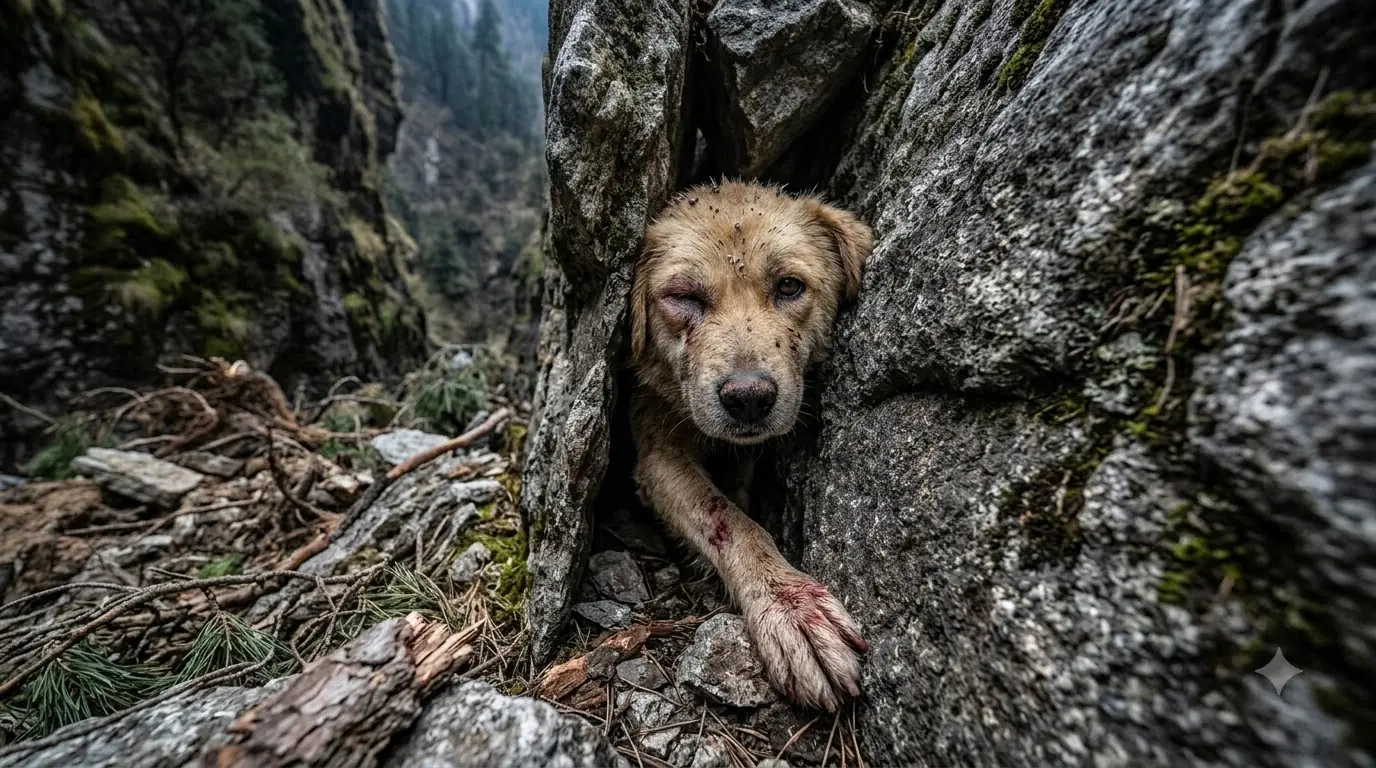
Emergency Mountain Rescue Saves Stray Dog Trapped Between Massive Boulders After Landslide
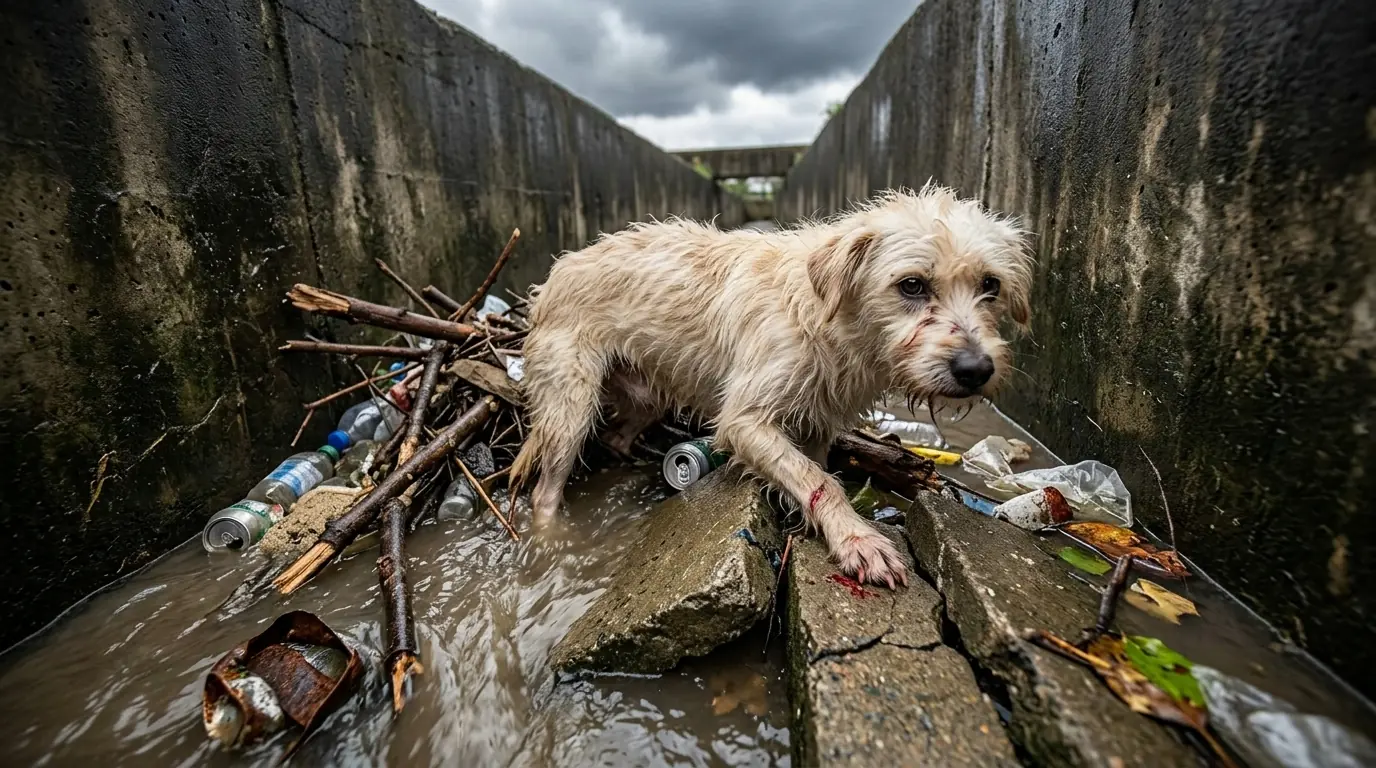
Emergency Flood Rescue Saves Stray Dog Trapped Inside Concrete Drainage Canal
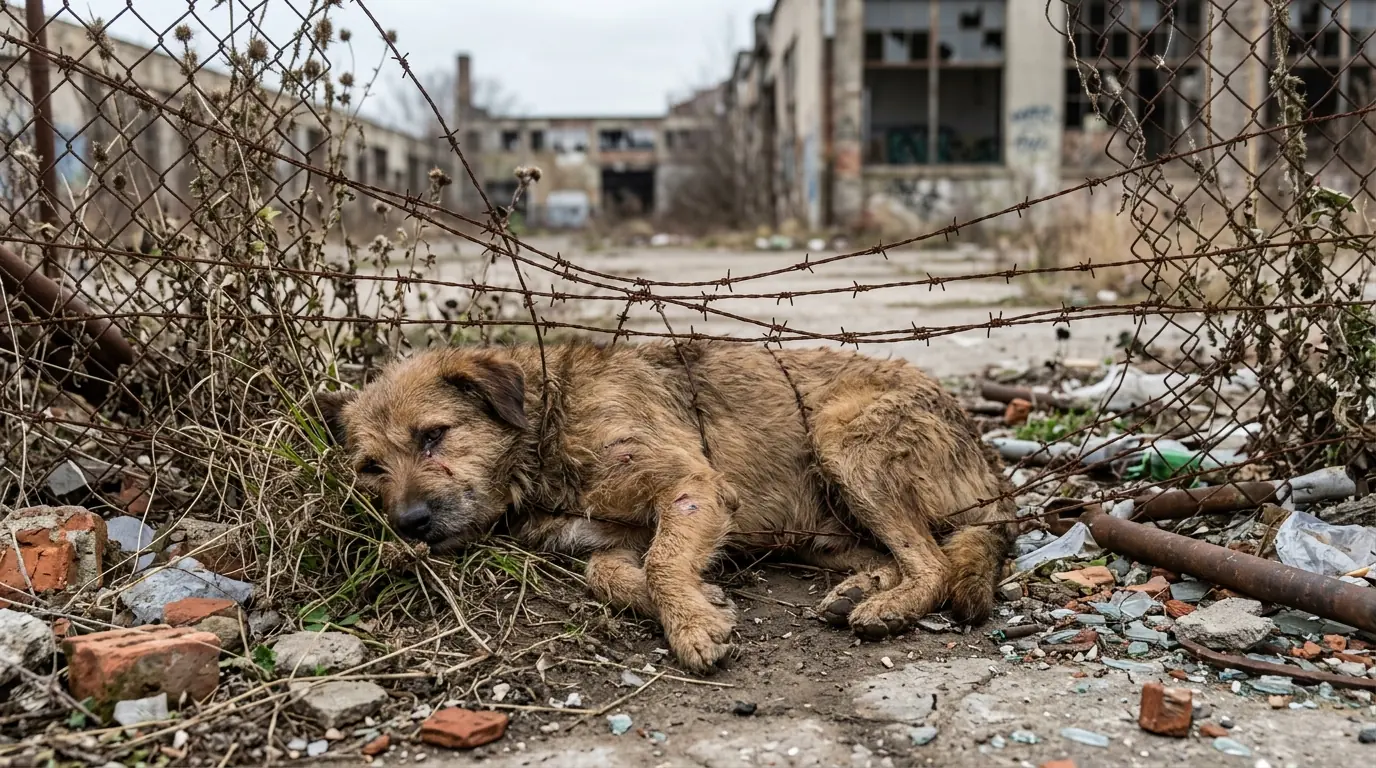
Emergency Animal Rescue Frees Stray Dog Trapped in Rusted Barbed Wire at Abandoned Industrial Site
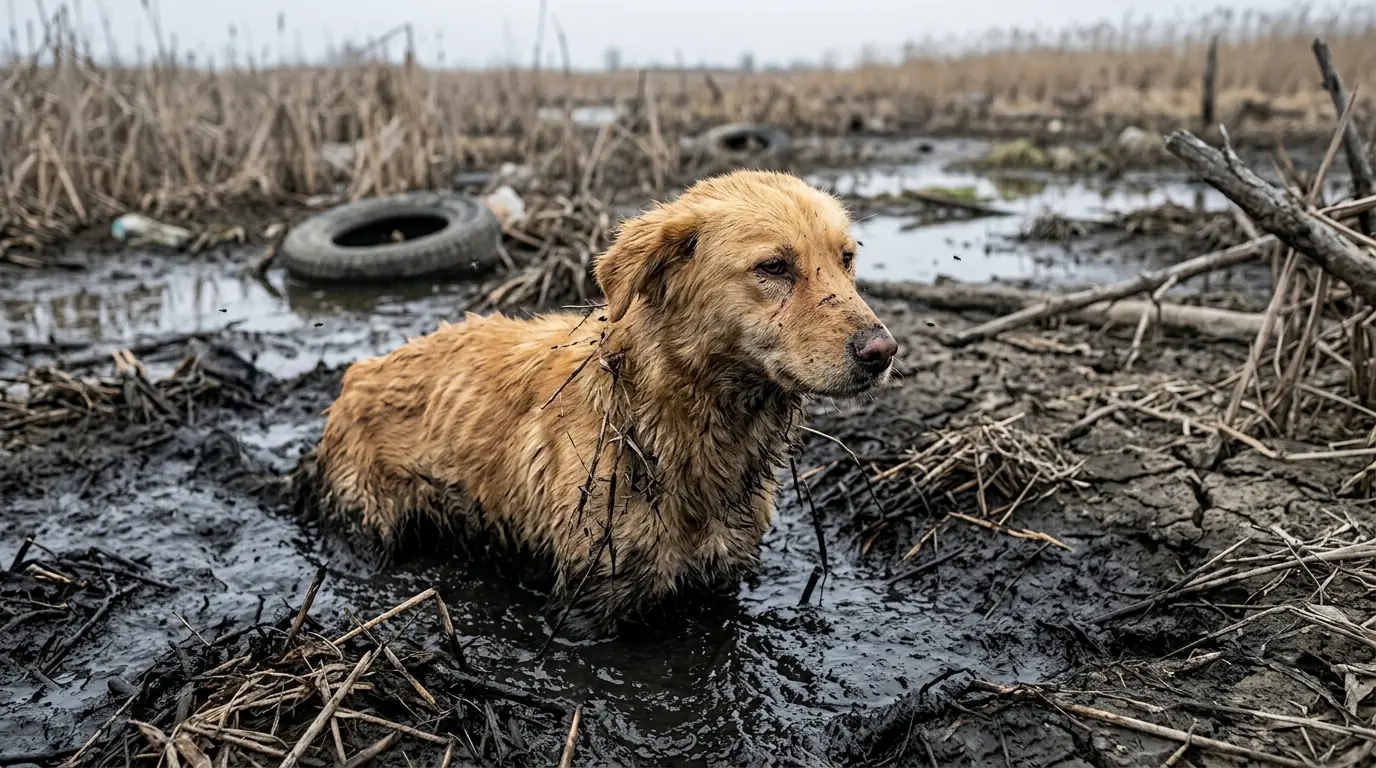
Emergency Animal Rescue Saves Stray Dog Trapped in Deep Marsh Mud After Days of Fighting to Survive
News Post
The Sergeant Tore Up Her Federal Warrant — Then Every Door Locked
The Officers Tried to Arrest Her on Her Own Porch — Then Their Captain Rushed to the Address
Rusty’s Recovery After Being Found Near a Dumpster
Benny’s Recovery After Being Found on the Street
Cruise Tourists Spotted a 100-Year-Old Sea Turtle—Then They Saw What Was Wrapped Around It
Oliver’s Journey After Being Left at the Shelter
Mabel’s Rescue and Her Journey with Seven Puppies

Die HOA-Nachbarin zerstörte seinen Lamborghini — dann bemerkte er die Kamera
Der arrogante Boxer forderte den alten Hausmeister heraus — dann sprach er eine letzte Warnung aus

Four Inmates Locked the Quiet Black Prisoner in the Shower — Then He Raised His Hands

The Little Girl Begged Him Not to Take Her — Then a Biker Saw Her Hand
Three Neighborhood Bullies Cornered the Quiet Man — Then His Stance Changed
She Destroyed Her Neighbor’s Chicken Coop — Then an Old File Fell Into the Dirt
She Smashed Her Neighbor’s Chicken Coop — Then an Old Property Sign Fell Out
CHAPTER 2: THE 38 HOMES IN THE BARN LOFT
CHAPTER 3: THE COMMUNITY THAT TOOK ITSELF BACK

"One Punch for $10K!" the Champion Taunted a Black Grandma — Then Everything Changed
The Neighborhood Bully Shoved the Quiet Man Into the Street — Then He Recognized His Stance
CHAPTER 2: WHEN THE INSTRUCTOR WOKE UP