He Treated Her Like Dirt on Her Own Land — Until Someone Rode Through the Gate
Chapter 4
Reader Theme:
Font Size:
24px
The second name Silas gave us," Nathan said, "the one that wasn't Voss. " "A man named Howard Petty," Fitch said. "I've located him. He's in Cheyenne. I've sent a letter, but have not had a response. " "How long ago did you send it? " Elizabeth said. "4 days. " Nathan pushed off from the window.
"I'll go to Cheyenne," he said. Elizabeth looked at him. "Nathan, the 30th is 12 days away. If Petty needs a personal conversation mail isn't going to do it in time. I can be in Cheyenne by tomorrow night. " He said it with the same matter-of-fact directness he said everything, not as an offer, not as a performance of heroism, just as the logical next step.
"You need Petty, or you need to be fine without him. I'll go find out which one it is. " She wanted to argue. Not because she disagreed he was right, and they both knew it, but because there was something uncomfortable about needing him to do this, and the discomfort was not distrust. It was the opposite of distrust, which was its own kind of unsettling. "Take the documentation of the pattern transactions," she said instead.
"If Petty needs persuading, he should understand what Caldwell does to people who stay quiet. " "Already pulled it," Fitch said and handed Nathan a folder. Nathan took it and looked at Elizabeth. "I'll be back by the 28th," he said. "You have 10 days. " "Nine's enough. " He held her gaze for a moment, the particular kind of moment that exists between people who have stopped needing to explain things to each other, who have reached the efficient and slightly terrifying place where a look carries the weight of a conversation. "Keep Greer steady. " "I will," she said.
He nodded and was gone. His boots quick on the stairs, and the room felt different with him out of it. Not diminished exactly, but rearranged the way rooms rearrange when a load-bearing shifts position. Fitch was already looking at Silas. "Mr.
Greer," he said. "I need 4 hours of your time and complete honesty. Can you give me that? " Silas looked at Elizabeth. She didn't know what he was looking for, reassurance maybe, or permission, or just the confirmation that the direction he was choosing was the direction she was choosing, which had apparently become the metric by which he navigated. Six years of invisible competence.
It had apparently left an impression she hadn't fully accounted for. "Yes," Silas said and sat down. Elizabeth left them to it and went downstairs to find somewhere to eat and somewhere to think, and she did both for 2 hours in the back of a small restaurant that smelled like coffee and wood smoke, and she sat with the weight of what had just happened in Fitch's office, and she let herself feel it. Really feel it without management, without calculation for the first time since she'd ridden north 18 days ago and found Nathan Walker's note under the water bucket. Her father's signature.
Voss had seen it, had seen the wrongness of it at the time, and had named it to himself, and had then done nothing, had buried it under the convenient story that it was just a formalization, a technicality, a piece of paper rather than a theft. She did not forgive him for that. She wasn't required to forgive him. But she understood something about the way terrible things happened. Not always through the deliberate cruelty of one terrible man, but through the accumulated small decisions of ordinary people who chose convenience over conscience, who told themselves the story that required the least from them, who looked at a wrong thing and said, "Well, it's not my wrong thing. " and walked away.
She had not walked away. She had stayed. On land that wasn't legally hers, caring for animals that weren't legally hers, running an operation for a man who had no rightful claim to any of it. And she had stayed because leaving meant losing the last physical connection to her father. And because somewhere underneath the exhaustion and the anger and the careful management of everything she had believed, stubbornly, irrationally, with the particular persistence of someone who has inherited not only their father's land, but their father's refusal to accept injustice as permanent, that the wrong thing could still be made right.
She had been right about that, too. They rode back to the ranch that evening, Elizabeth and Silas, and the ride was different from the morning. The silence was different. Silas rode with the posture of a man who had spent 4 hours being systematically relieved of every comfortable misunderstanding he'd ever held about his own situation, and Elizabeth rode with the posture of a woman who had spent 19 days accumulating momentum and could now feel for the first time that the momentum was going to be sufficient. "Fitch is good. " Silas said eventually.
"Yes. " Elizabeth said. "This is going to work. " "Yes. " A pause. "Elizabeth. " He used her first name, she noticed. "When it does, when the land transfers back, I want you to know that I intend to cooperate fully with whatever Fitch determines I'm obligated to provide. Compensation for the years, the improvements I made. " He paused.
"It won't be everything it should be, but it'll be something. " She considered this. "I know. " she said. "Fitch will handle the details. " "I'm not talking about Fitch right now. " Silas said. "I'm talking to you. " She looked at him. He looked old in the failing light, older than she'd ever seen him.
Not the age of years, but the age of things finally set down. "Your father was a good man. " he said again. He'd said it before in his study, and she'd said nothing then. "I knew it when we were partners. I knew it when I signed those papers and didn't read them carefully enough.
I've known it every year since. " He met her eyes briefly. "I'm sorry, Elizabeth. " "For what I should have known and didn't. For what I did know and chose not to examine. " The words moved through her in a complicated way, not cleanly, not simply because nothing about six years could move through her simply. But they moved, and she let them, and after a moment she said, "Thank you. " she said. "For what you did today with Fitch.
It mattered. " It was not forgiveness. It was not the end of the accounting. But it was true, and she'd learned a long time ago that true things, even complicated ones, were worth saying. They rode the rest of the way in silence, and it was the most companionable silence she could ever remember sharing with Silas Greer, which was perhaps the strangest thing that had happened in a week full of strange things. The days between Laramie and the 30th had a particular quality to them, dense and quick and slow all at once, the way time moves when you are waiting for something that will divide your life into before and after.
She worked. Of course she worked. The horses needed water and the accounts needed tallying and the fence posts along the northern boundary had not stopped leaning just because her legal situation was resolving itself. She worked and she waited and she slept badly and woke early and counted days the way she used to count fence posts and steps and years. On the 23rd, a letter came from Nathan.
Petty talked. Took most of a day and the full pattern documentation and the plain truth that staying quiet is no longer the safe option. He'll testify. Coming back the 27th. A pause in the handwriting, the slight irregularity of a pen lifted and replaced.
You doing all right? She wrote back the same day. Yes. Are you? His reply came two days later.
He must have written it the moment he received hers. Better now. Two words. She read them four times and put the letter with the others and went to feed the horses and did not examine too closely what it meant that two words from a man she'd known for less than a month could make the morning feel different. She was examining it though.
In the quiet parts. In the space between tasks, when her hands were occupied but her mind wasn't. She was turning it over carefully, the way you turn over something you found in the ground. Not sure yet what it is, whether it's valuable or just interesting, whether it will hold up to closer examination or crumble. She had not had room in her life for this kind of consideration for a very long time.
Six years of compressed survival didn't leave space for it. And now with the machinery of legal resolution moving forward and the weight of what she'd been carrying beginning incrementally to shift. Now there was space. A small amount. But enough to feel the edges of the thing that had been growing in the space between her letters and his.
She was not afraid of it. She was careful with it. Those were different. Nathan rode back in on the 27th, two days before the hearing. He came into the yard in the mid-afternoon.
And she was at the barn. Always at the barn. He had come to understand the way she had come to understand that he was always straightforward and always on time. And she came out when she heard his horse. And they stood in the yard and looked at each other.
And he looked tired in the particular way of someone who has covered a lot of ground quickly and is satisfied with the reason. "Pettis in Laramie," he said. "Fitch has his statement. " "Good," she said. "Judge Alderman is a fair man from what Fitch tells me. Doesn't like Caldwell. " He paused.
"Doesn't like anyone who games the court's time, either. So Fitch says to keep everything clean and factual. " "That's all it is," she said. "Clean and factual. " He nodded. And then, because he was Nathan Walker, and he said things directly rather than around, "How are you actually doing? " She considered the question with the seriousness it deserved. "I'm frightened," she said.
He didn't respond immediately. He let the statement exist without rushing to diminish it. "Of what? " he said. "That we've done everything right and it still won't be enough. " She looked at him. "That I've spent six years believing in something and built a case on top of it and walked into that courtroom and it still won't be enough because it has not been enough every time before. " She paused.
"I was 20 years old and I was right about the signature and it wasn't enough. I need to be ready for the possibility that we are right and thorough and it is still not enough. "We have Voss," Nathan said. "We have Voss. " And Petty. And Petty.
And Silas Greer's sworn account. And the pattern documentation. And the timeline of the acceleration notice. He held her gaze. "Elizabeth, this is not the same as when you were 20.
You had nothing then. You have everything now. " "I know," she said. "But you're still frightened. " "Yes. That's all right," he said. And something in the simple directness of it, not don't be frightened, or you have nothing to worry about, but just "That's all right. " moved through her in a way that was cleaner and more sustaining than reassurance would have been.
He was not telling her the fear was wrong. He was telling her it was allowed. That she was allowed to walk into that courtroom frightened, and that the fear was not evidence of weakness, and not proof that she was wrong. It was just the reasonable response of someone who had been fighting a long time, and knew that the last yard of a long road is not automatically easier than the ones before it. She exhaled slowly.
"Thank you," she said. He tipped his hat, a small gesture, not performed, just genuine, and went to stable his horse. The morning of the 30th was clear and viciously cold. Elizabeth dressed carefully. She had one good dress, dark blue wool high collar, the one she wore to the church in town on the three or four occasions a year when she attended not out of deep faith, but out of the understanding that respectability in a small community was a resource like any other, and needed to be maintained.
She put her hair up with the same pins her mother had used, which she kept in a small tin on her windowsill, and she stood in front of the mirror for a moment and looked at herself. 26 years old. Six years of early mornings and heavy work and small room and accounts she wasn't supposed to know as well as she did. Six years of invisible competence and deliberate smallness of making herself unobtrusive enough to be permitted to stay, of being the mechanism inside an operation while another man held the title. She looked like herself.
She looked like the woman who had filled water troughs in the dark and treated horses at midnight and written letters by candlelight and ridden to Laramie with supplies as cover for the most important legal work of her life. She thought like someone who had been waiting a very long time for something and who was about to find out if the waiting was over. She put on her coat and walked out. Silas was already at the horses, which surprised her. He had not offered to come.
She hadn't asked him to, hadn't known whether having him there would help or complicate, but he was there dressed in his good coat, his expression carrying that new quality. She'd started to recognize the one that had replaced the expansive certainty of his usual manner. Humbler. More honest. Harder to be around actually than his arrogance had been because at least arrogance was familiar.
"I'd like to come," he said, "if that's agreeable. " She looked at him. "Yes," she said. Nathan was waiting outside Fitch's office when they arrived and the four of them walked into the Laramie courthouse together. Fitch slightly ahead, papers under his arm. Voss and Petty already inside having been brought in the previous evening and Elizabeth walked through the courthouse door with her hands at her sides and her head straight and the letters in her pocket, all four of them pressing against her ribs.
Thomas Caldwell was already seated at the opposing table. She had seen him before at county meetings from a distance, the banker's bulk and the practiced ease of a man who inhabited rooms as though they'd been arranged for his comfort. Up close, he was both exactly what she'd expected and slightly different the way people always are when you've built them into something large in your mind and then have to accommodate their actual human dimensions. He was heavy-set, gray-haired with the specific kind of confident stillness that comes from rarely having been contradicted. His lawyer sat beside him with a stack of papers and an expression that suggested he believed this hearing was a formality.
Caldwell looked at Elizabeth when she entered. His expression did not change. That was what she noticed. Most men when they saw her in a context they hadn't anticipated adjusted. Their face moved.
Something flickered. Caldwell's face remained completely still and she understood in that stillness exactly the kind of man she was dealing with someone who had done this enough times that even genuine surprise had been trained into impassivity. Someone for whom other people's lives were problems to be managed rather than realities to be reckoned with. She met his eyes for exactly 1 second and then looked away. Not because she was intimidated but because she had nothing to say to him with her face.
Everything she had to say to him was in the folder on Fitch's table. Judge Alderman came in and the room rose and sat and the procedural language of formal legal proceedings began to move and Elizabeth sat beside Fitch with her hands folded in her lap and listened to the architecture of the case she had spent 6 years and 18 days assembling presented aloud for the first time. Fitch was precise and methodical and entirely without drama. Which was exactly right. Drama was what Caldwell's lawyer would try because drama invited emotional response and emotional response was harder to follow logically.
Fitch gave the judge facts in sequence evidence in order testimony in clear and mutually corroborating lines. The signature analysis first. The documents examiner, a small woman named Charlotte Marsh who wore her expertise the way some people wear expensive clothing without ostentation, just naturally walked the court through the capital. J, the specific loop. 15 years of James Carter's authentic signature against the one on the transfer deed.
And when she finished the absence of that loop in the contested deed, sat in the courtroom like a thing with weight. Caldwell's lawyer objected to the methodology. Alderman listened, overruled, then Voss. Arthur Voss walked to the stand with the deliberate step of a man who had made a decision and was going to live inside it completely. He stated his name and his former position and the date in January 1876 and every detail of what he had been instructed to do and what he had done.
His voice was steady throughout. He did not embellish. He did not qualify. He stated facts with the precision of a man who had been organizing them in his memory for 9 years against exactly this moment. When Caldwell's lawyer rose for cross-examination, he was aggressive in the way lawyers are when the testimony has landed well and they need to damage its source.
Mr. Voss, isn't it true that you were dismissed from Caldwell Bank in 1880 under allegations of financial misconduct? I resigned, Voss said. And the allegations were made by Mr. Caldwell after I declined to prepare fraudulent documentation for a second time.
The lawyer paused. Just fractionally. No further questions, he said. Then Petty. Howard Petty was 63 and had the look of a man who hadn't slept well in 9 years.
And when he confirmed his name as a witness to the original deed and stated that he had been instructed by Thomas Caldwell to sign a document he had not been given time to read. The courtroom was very quiet. Did you understand what you were witnessing? Fitch asked. No, sir, Petty said.
I was told it was a routine land transfer. I was told to sign and ask nothing. He paused. I signed. I have regretted it since.
Caldwell's lawyer was on his feet again, but whatever he intended to ask something in Petty's expression stopped him. The man on the stand was not performing. He was not calculating. He was simply finally telling the truth, and truth in a courtroom has a texture that cross-examination cannot usefully challenge. "No questions. " Caldwell's lawyer said.
Then Silas. Elizabeth had not fully known until this moment whether Silas would hold. He had been solid in Fitch's office. He had been solid on the ride to Laramie. But Silas Greer was a man who had structured his entire self-understanding around a version of events that this testimony was dismantling, and she had not been certain when it came to the moment whether that self-understanding would hold him upright or pull him down.
He walked to the stand and sat down and looked at the courtroom with the expression she'd seen in his study, the new one, the humble one, the one she didn't entirely trust yet and was watching. Fitch asked him about the deed, about Caldwell, about the conversations and the documents and the 15 years of an arrangement Silas had chosen not to examine too closely. Silas answered everything directly, without deflection, without the expansive self-justification she would have expected from him 6 months ago. He answered as a man answering for something not a man defending against it, and the distinction was audible. When Caldwell's lawyer asked him why he had waited 6 years to come forward with this information, Silas said, "Because I didn't know I had anything to come forward about.
I believed the arrangement was what Caldwell told me it was. The person who helped me understand what it actually was He paused. was someone I had badly underestimated for a very long time. " He did not look at Elizabeth when he said it. He didn't need to. The courtroom knew who he meant. Elizabeth sat with her hands folded and her face still, and she let the words exist without reacting to them.
Then Fitch presented the pattern documentation, the seven prior acquisitions, the consistent methodology, the timeline that showed Caldwell's accelerated loan call arriving within 24 hours of being served the legal challenge notice. Your Honor, Fitch said, "the defendant's own actions in accelerating this loan without contractual basis, contrary to his own bank standard procedures on a timeline that cannot be explained except as a direct response to this legal challenge, constitute the clearest available evidence of consciousness of guilt. A man who believed his claim was legitimate does not destroy it the moment it is examined. " The courtroom was quiet. Caldwell's lawyer made his argument. It was competent.
It challenged Voss's credibility, challenged the signature analysis, emphasized that the deed bore all the hallmarks of legitimate documentation, and that the testimony against it came from men with demonstrated reason to deflect blame. It was the best case that could be made from the available materials, and Elizabeth listened to it carefully and found it hollow, not because it was poorly constructed, but because hollow things have a specific acoustic quality that she had learned to identify in six years of listening to the accounts of a man who had been telling himself comfortable stories. Judge Alderman listened to both sides. He asked four questions. Two to Fitch, one to Charlotte Marsh about the documents examination methodology, one to Caldwell's lawyer about the basis for the acceleration notice.
Then he called a recess. 30 minutes. Elizabeth stood in the corridor with Nathan beside her and Fitch on her other side and Silas a few feet away and the 30 minutes passed at the speed of geological formation. Nathan didn't speak. He stood close enough that she was aware of his warmth, which was a specific and grounding thing.
The warmth of someone who was there because they had chosen to be there, not because they were obligated, not because they had anything to gain, but because they had looked at a situation and decided it mattered and had not looked away from that decision since. She thought about what he'd said in the yard 2 weeks ago. I happen to be standing in the right place when you needed someone who did. She thought he was wrong about that. Not the fact of it, he had been in the right place, but the implication that it was accidental, that it was mere geography, that any other person in the same position would have done what he'd done.
She had lived among people for 6 years. She knew exactly how many of them standing in that yard that morning would have looked at a woman fixing a fence without permission and seen incompetence or intrusion rather than capability. How many would have ridden on without a note? How many would have seen the situation with Caldwell and Voss and Petty and calculated whether involvement was worth the cost? It was not accidental.
It was character. She was still turning that thought over when the courthouse door opened and the bailiff called them back in. Judge Alderman returned to his seat and the room stood and sat and settled into the particular gravity of a moment that knows what it is. This court has reviewed the evidence presented in the matter of Carter versus Greer and Caldwell, Alderman said. His voice was the voice of a man who had reached a conclusion before the recess and was now delivering it with appropriate deliberateness.
The signature analysis corroborated by direct testimony from the individual who prepared the contested document constitutes clear and convincing evidence that the 1876 transfer deed was not executed by James Carter. The pattern evidence further demonstrates that the defendant Caldwell has engaged in a systematic practice of fraud against landowners in this territory. The timing of the loan acceleration notice demonstrates an intent to obstruct this proceeding. He paused. The transfer deed of January 1876 is hereby invalidated.
The Carter land in Sweetwater County is restored to the estate of James Carter with Elizabeth Carter as sole heir and claimant. He said something else after that. About Caldwell. About the referral to the territorial attorney's office. About the pending question of Silas Greer's improvements and the separate proceedings for compensation.
Elizabeth did not hear most of it. She heard the Carter land is restored and then she heard a sound that was very far away and she realized after a moment that it was the blood moving in her ears. Which happened sometimes when something very large shifted very suddenly when the weight you've been bracing against for so long releases all at once and your entire body has to recalibrate for the absence of it. Fitch was saying something to her. Nathan was on her left.
She turned to him because he was the thing she wanted to turn to, which was itself a new and notable fact that she would examine later and his face was not triumphant, not dramatically relieved, just settled. The expression of a man who had believed in an outcome and was now watching it arrive. "It worked. " she said. Her voice came out quieter than she intended. "Yes. " he said.
"It worked. " she said again and she didn't mean it as repetition. She meant it as the beginning of understanding the first pass at processing something that was going to take considerable time to fully comprehend. He put his hand over hers where it rested on the bench between them. Not a grand gesture, just that. His hand over hers warm and certain and the courtroom moving around them with Fitch already engaged in conversation with Silas about the compensation question, and Caldwell's lawyer gathering papers with the particular efficiency of defeat.
And Elizabeth Carter sat in the Laramie courthouse on the 30th of January 1885 with her father's land restored and a man's hand warm over hers. She did not cry, but she closed her eyes for exactly 5 seconds. And in those 5 seconds, she thought about her father, about the morning he'd shown her how to read a horse's gait, about the letter in her pocket that began everything I built, I built for you. And she thought not in words exactly, but in the way that certainty sometimes arrives, that he would have been glad. Not just for the land, for the person she'd become in the years she'd spent fighting for it, for the patience and the precision and the refusal to accept permanent what was only circumstantially true.
She opened her eyes. The courtroom was still there. The land was hers. And Nathan Walker's hand was still warm over hers. And she turned her hand over so their palms met and she held on.
She held his hand for exactly as long as the courtroom required her to be still. Then Fitch said her name and she released it and stood and the work of winning began immediately, which was, she would later reflect, exactly right. There was no pause built into justice. The gavel came down and the world moved on and the question was only whether you moved with it or stood there waiting for the feeling to catch up with the fact. She moved.
Fitch needed her signature on three documents. The formal acceptance of the court's ruling, the initiation of the estate transfer process. A third document she read twice before signing because she had learned definitively and at great cost never to sign something she hadn't read. She signed all three with the same pen in the same hand with the same loop in the capital C that her father had taught her that she had inherited from him, the way she'd inherited the land, not through any document, but through the simple and unbreakable fact of having been his daughter. Across the room, Caldwell was being spoken to by two men Elizabeth didn't recognize, but whose posture she understood the territorial attorney's representatives from the look of it.
Caldwell's face was doing something she had not seen it do in the brief time she'd been watching it. It was moving. The stillness she'd observed when he'd looked at her upon entering the trained impassivity of a man who had never truly been caught was gone replaced by the particular mobile quality of someone calculating very quickly and finding no good numbers. She watched him for exactly 1 second, then she looked away and did not look back. He was not the story.
He had never been the story. He was the obstacle, the mechanism of injustice, the man who had built his prosperity on the accumulated losses of people who couldn't fight back. He would face his own proceedings now, his own accounting, and she would not spend another moment of her attention on him when there was so much else in front of her. "The compensation question," she said to Fitch. Fitch was already organized for it.
"Greer's legitimate improvements to the property structures, fencing, breeding stock development will be assessed by a neutral party. He has a reasonable claim to compensation for the value he added distinct from any value the land held prior to his possession. " Fitch looked at her over his spectacles. "It will not be a small number, but it is a different question from the land itself, and the law is clear on the distinction. " "I know," she said. "Handle it fairly. I don't want to be the kind of person who punishes a man for having been used. " A pause.
"He cooperated. That matters. Fitch nodded, making a note. "There's one more thing," he said. He hesitated, a thing she had not previously observed Fitch doing, and the novelty of it caught her attention.
"The territorial attorney is going to want your testimony about the full scope of Caldwell's operations. Everything you observed during your time at the property. Every transaction you processed, every communication you were party to, every financial irregularity you may have noted in the accounts. " He met her eyes. "It's going to require time, and it's going to put you in a visible position. People are going to know who you are and what you did. " Elizabeth was quiet for a moment.
She had spent six years being invisible, deliberately, methodically, as a survival strategy. Being known had meant being vulnerable, being targeted, being the woman who was too stubborn to accept the situation she was in. She had learned to exist in the margins because the margins were safer. "Good," she said. Fitch blinked.
"I want people to know," she said. "I want every rancher in this territory who's being squeezed by a bank loan they don't fully understand to know that the accounts can be examined and the documents can be challenged and the people who build these schemes are not as untouchable as they appear. " She held his gaze. "Visibility is a different kind of protection than silence. I've tried silence for six years. I'm ready to try the other thing. " Fitch looked at her for a moment with an expression she hadn't seen from him before, either.
News in the same category
The Sheriff Humiliated the “Old Outsider” in Front of Everyone — Then Dragged Him Out of His Seat
He Cornered the “Weak Office Guy” in an Empty Garage — Then Threw the First Punch
They Saw the Biker Vest and Treated Her Like a Criminal — Before She Even Spoke

They Treated the “White Belt” Like a Joke — Until She Finally Stopped Taking It
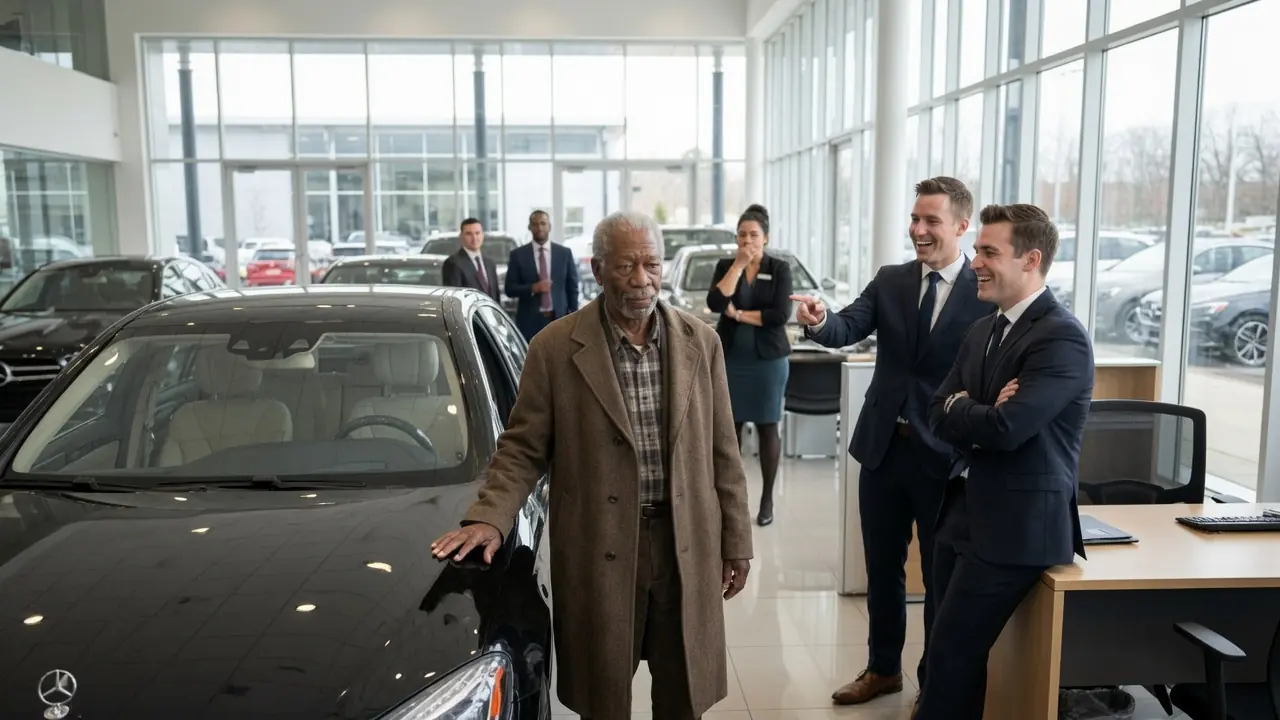
Elderly Man MOCKED By Car Dealership — The Next Day, He’s Their Boss!
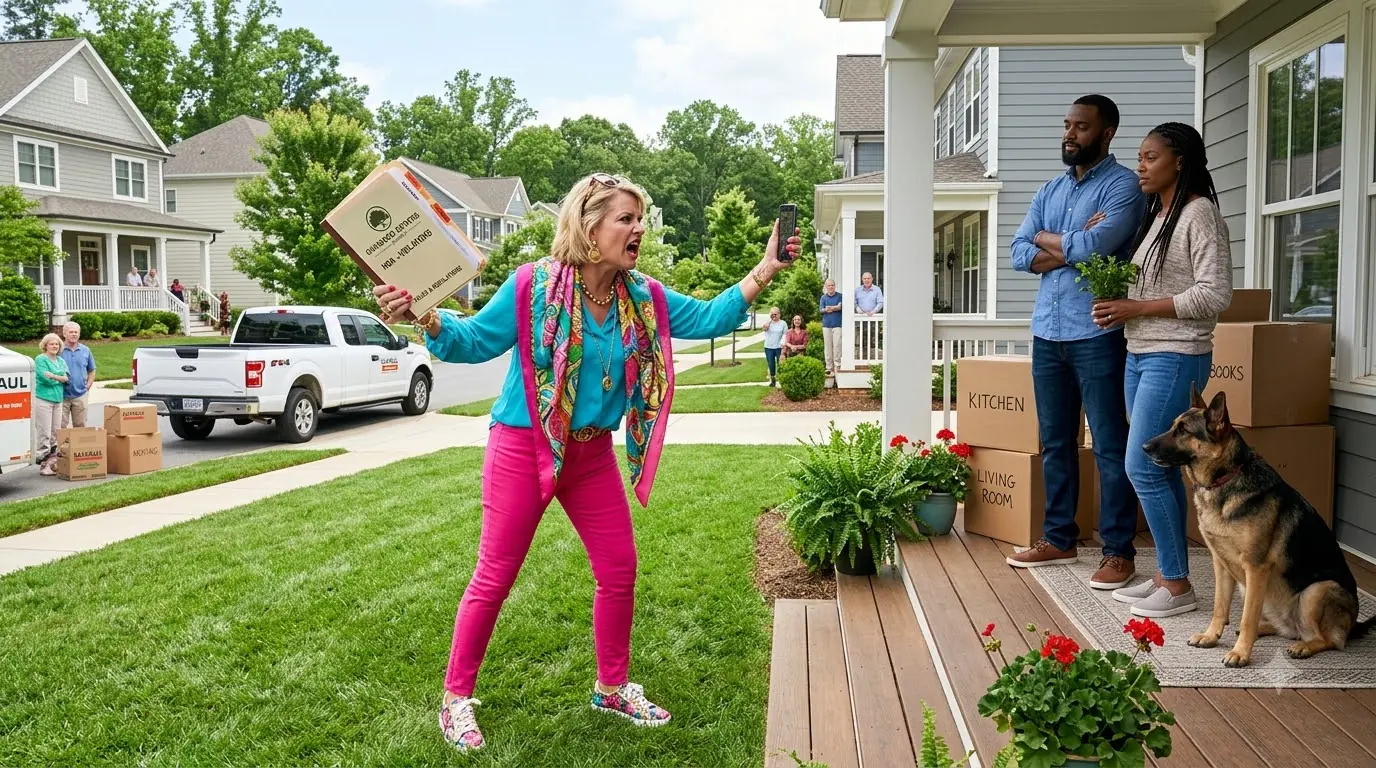
She Screamed Across the Lawn Like She Owned the Street — Then the Police Asked One Question
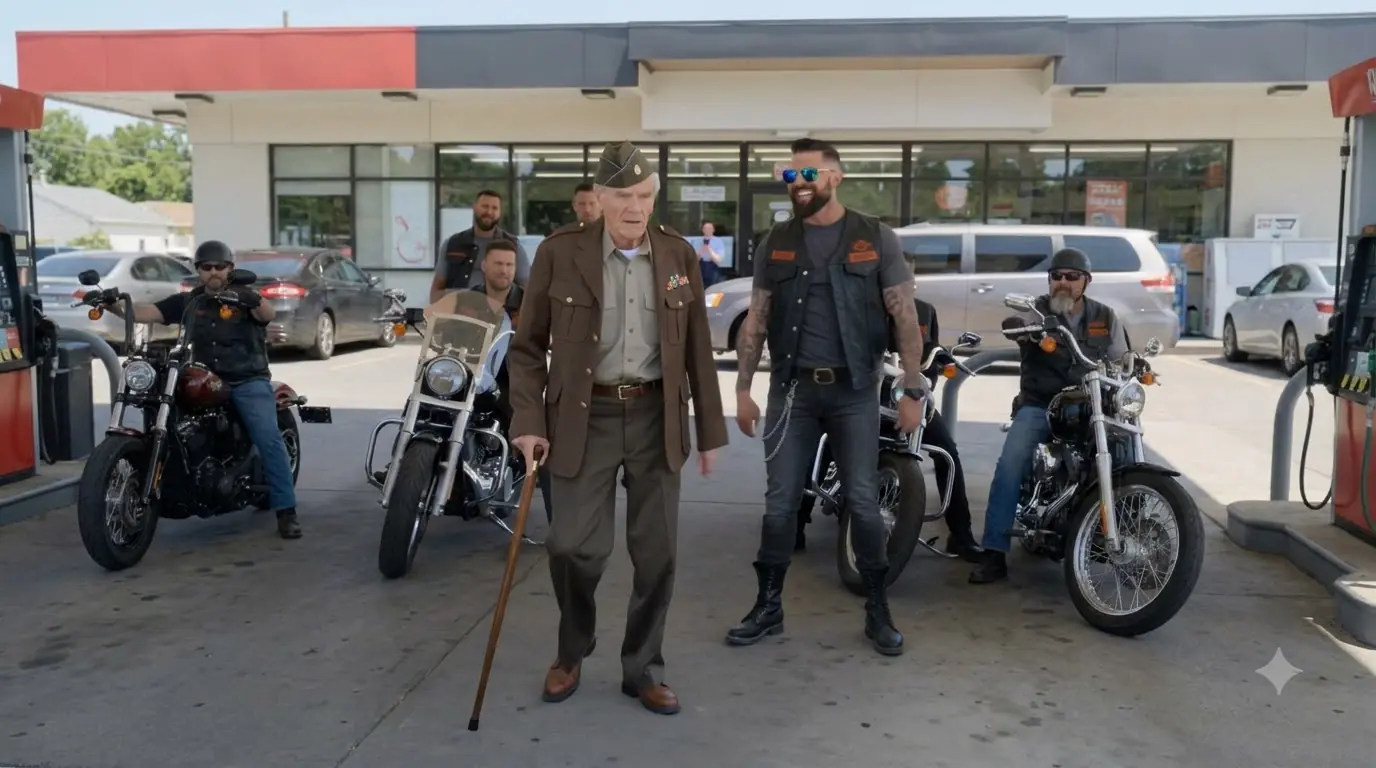
The Bikers Mocked The Old Veteran’s Hat | Then The Colonel Walked Through The Door
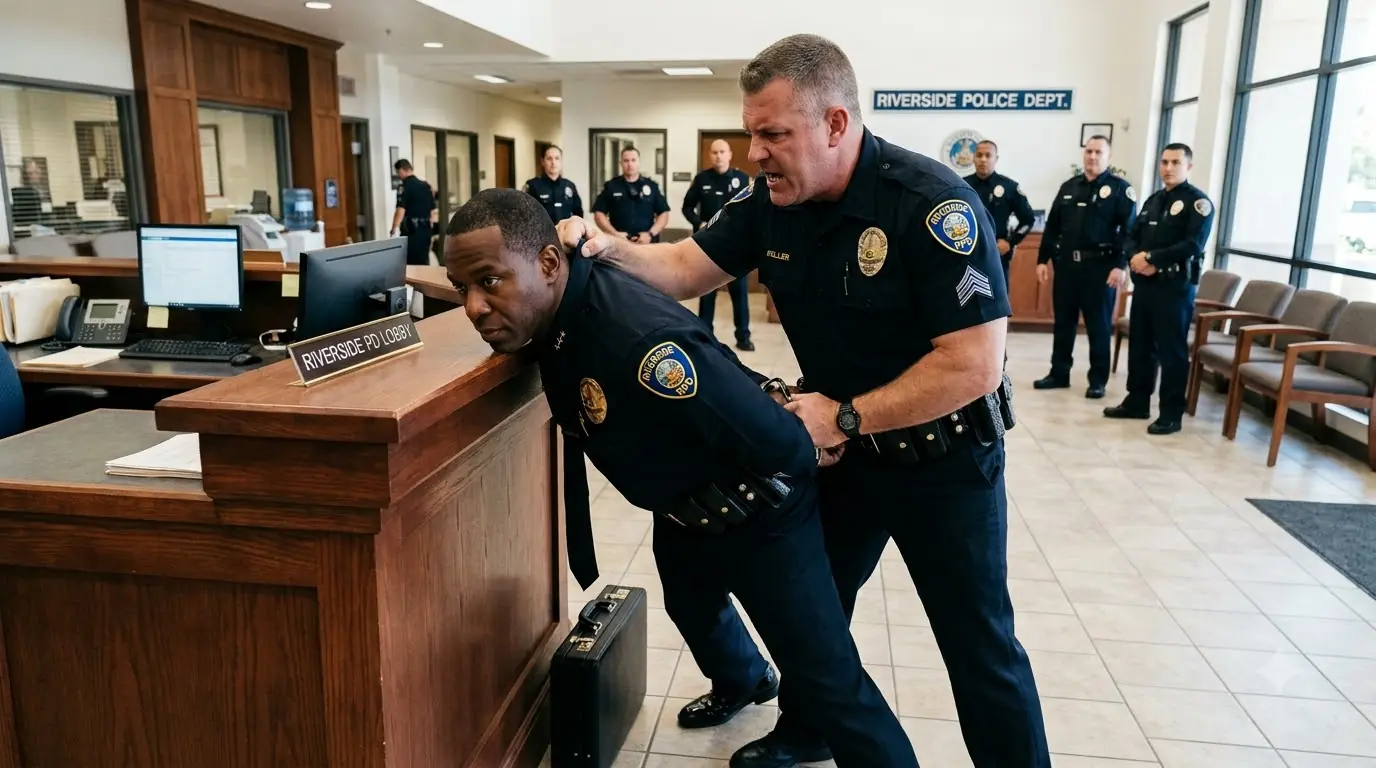
Cops Handcuff A Man In Uniform — Unaware Of Checking His Real Badge
He Shoved the Nurse Hard — Then Realized the Man Wouldn’t Budge
Security Cam Caught the Cop Pinning the Wrong Homeowner to His Own Mailbox
Racist Cop Mocked a Black Judge’s Robe as a Costume — Then Arrested the Man Presiding Over His Department’s Corruption Trial
Dashcam Caught Her Accusing the Wrong Man Beside a Ferrari
CHAPTER 2: WHEN THE BILLIONAIRE CALLED HIM DAD
CHAPTER 3: THE LEGACY THAT OUTGREW THE FERRARI
Cop Arrests a Black Judge on Her Front Porch in Front of Her Kids — Loses Job, City Pays $3.2M
They Stormed Into an Old Woman’s Home — Then a Truck Pulled Into the Driveway
CHAPTER 2: THE GHOST WHO BURNED THE NETWORK DOWN
CHAPTER 3: WHEN JUSTICE FINALLY CAME HOME
News Post
Black Belts Called Her Weak in Training — Then She Knocked Them Out in Seconds

A Weak Kitten Was Found Trapped Inside a Flooded Storm Drain
Southern Creamy Pineapple Pecan Cake – Ultra-Moist, Nutty & Topped with Luscious Cream Cheese Frosting
Ultimate Chocolate Cupcakes – Moist, Rich & Topped with Silky Chocolate Buttercream
A Dog Was Found Tied to a Porch Weeks After Her Owners Moved Away
Max Was Returned to the Shelter Less Than Ten Days After Being Adopted
Beef Cheddar Slider Bake – Buttery, Cheesy & Loaded with Savory Beef
Crispy Ham & Cheese Stuffed Chicken – Golden, Juicy & Loaded with Gooey Melted Cheese
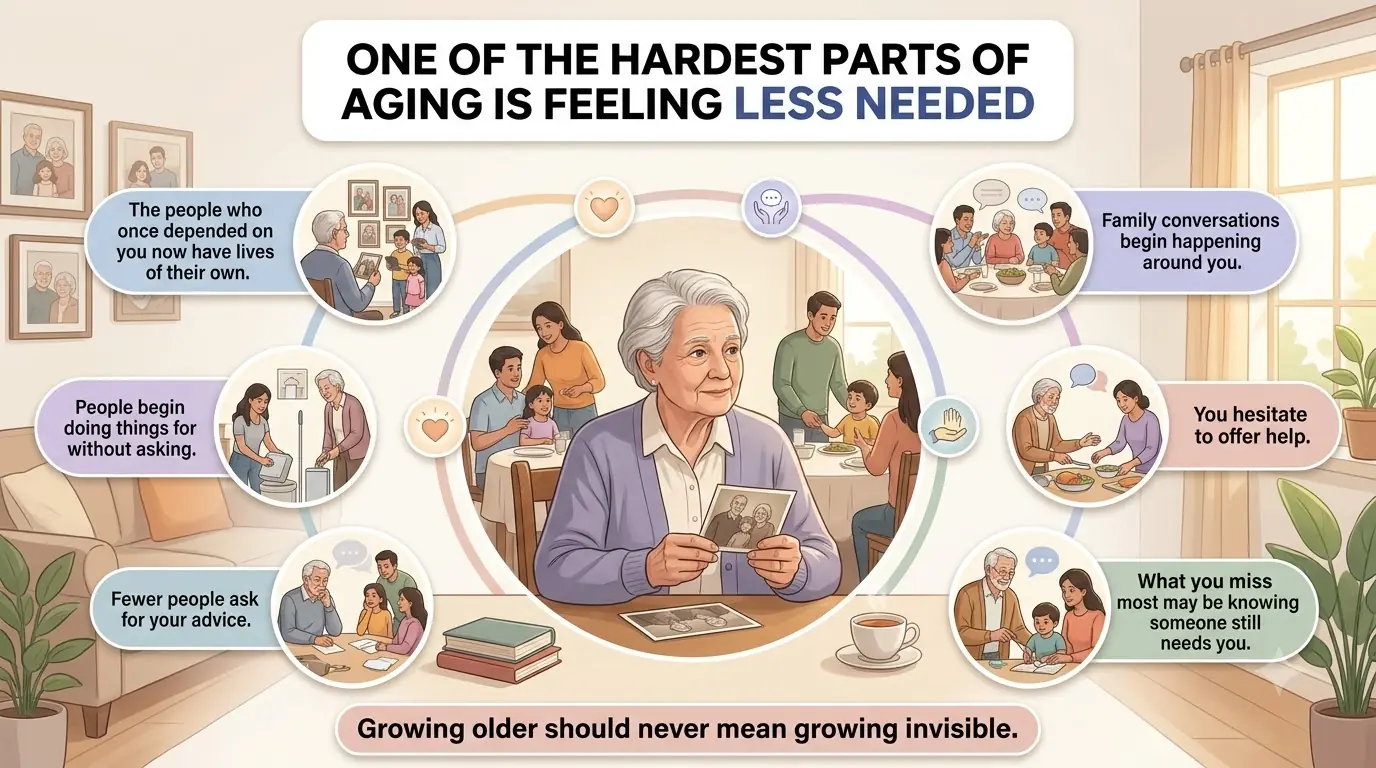
ONE OF THE HARDEST PARTS OF AGING IS FEELING LESS NEEDED
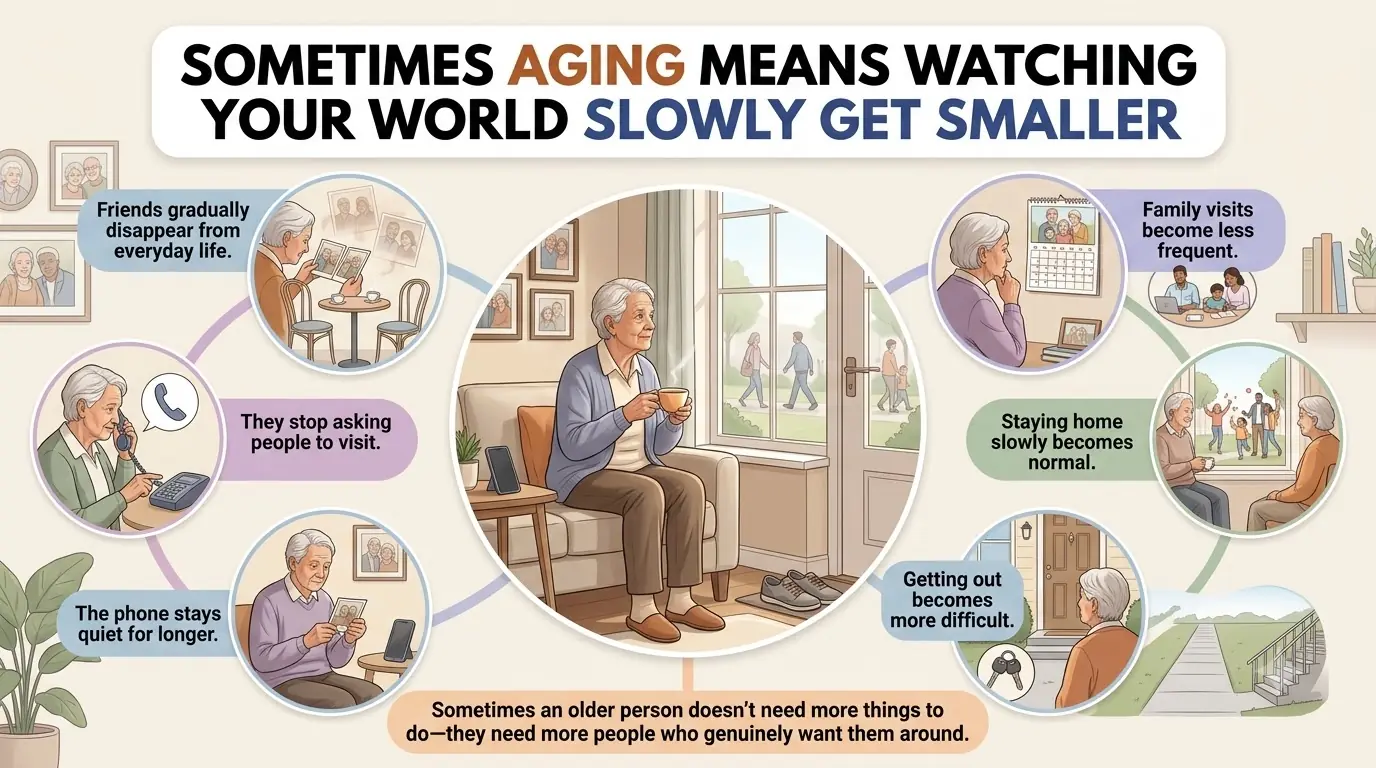
SOMETIMES AGING MEANS WATCHING YOUR WORLD SLOWLY GET SMALLER
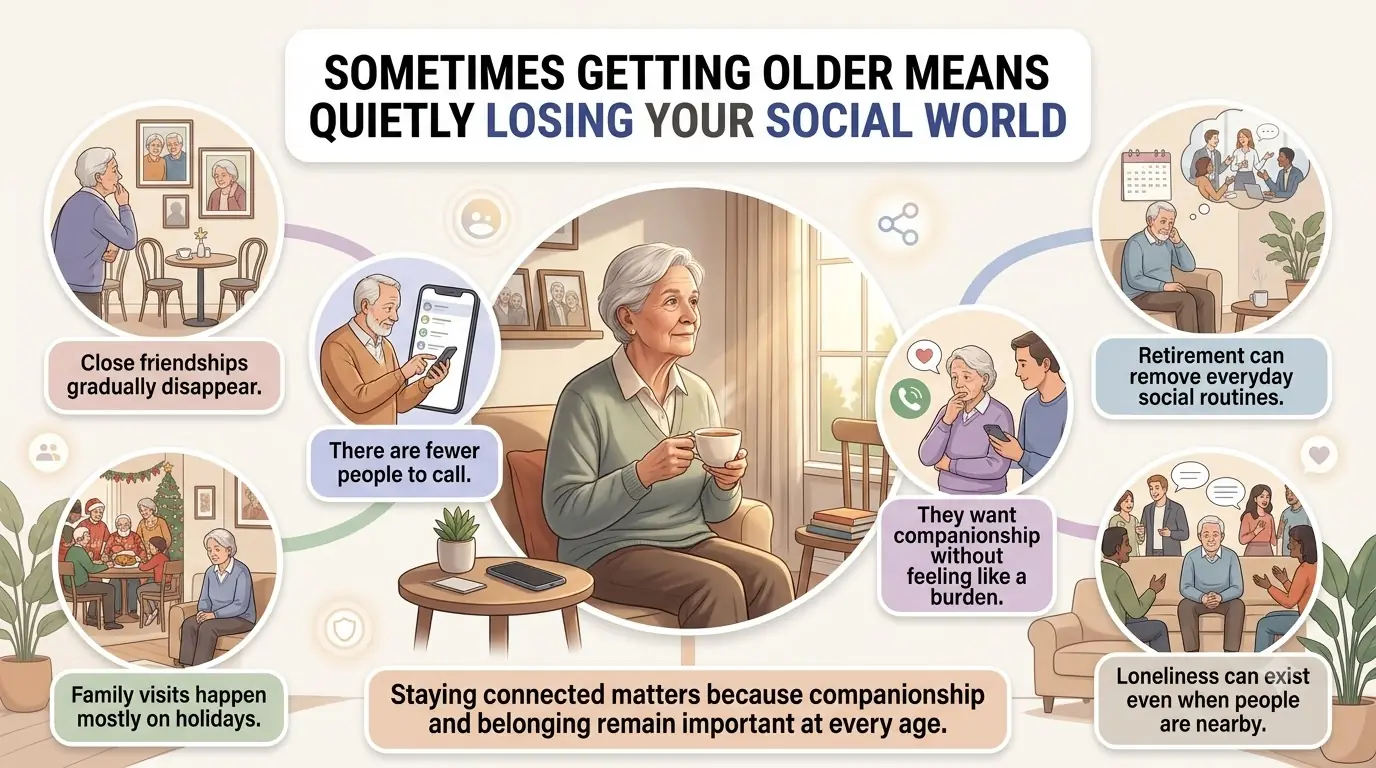
SOMETIMES GETTING OLDER MEANS QUIETLY LOSING YOUR SOCIAL WORLD
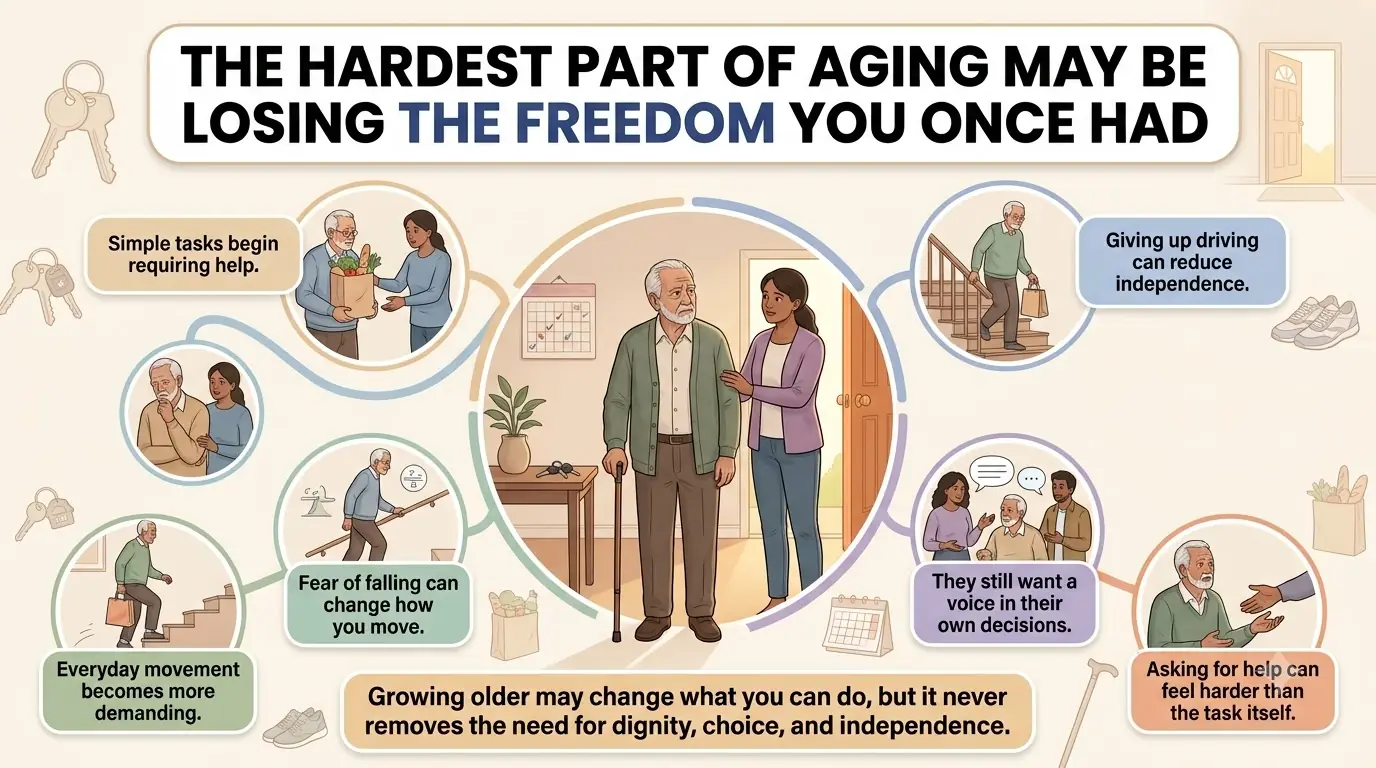
THE HARDEST PART OF AGING MAY BE LOSING THE FREEDOM YOU ONCE HAD
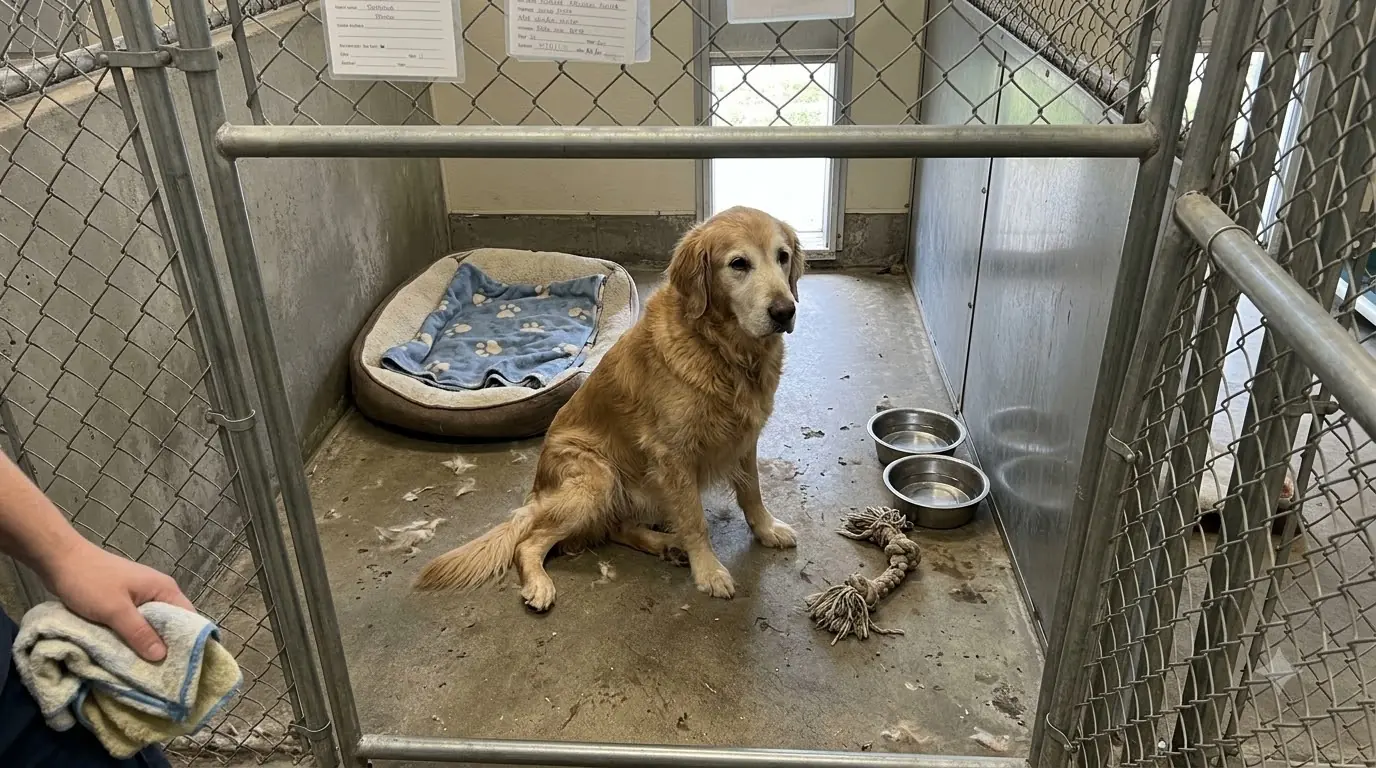
Margaret’s Recovery After a Family Surrender at Age 11
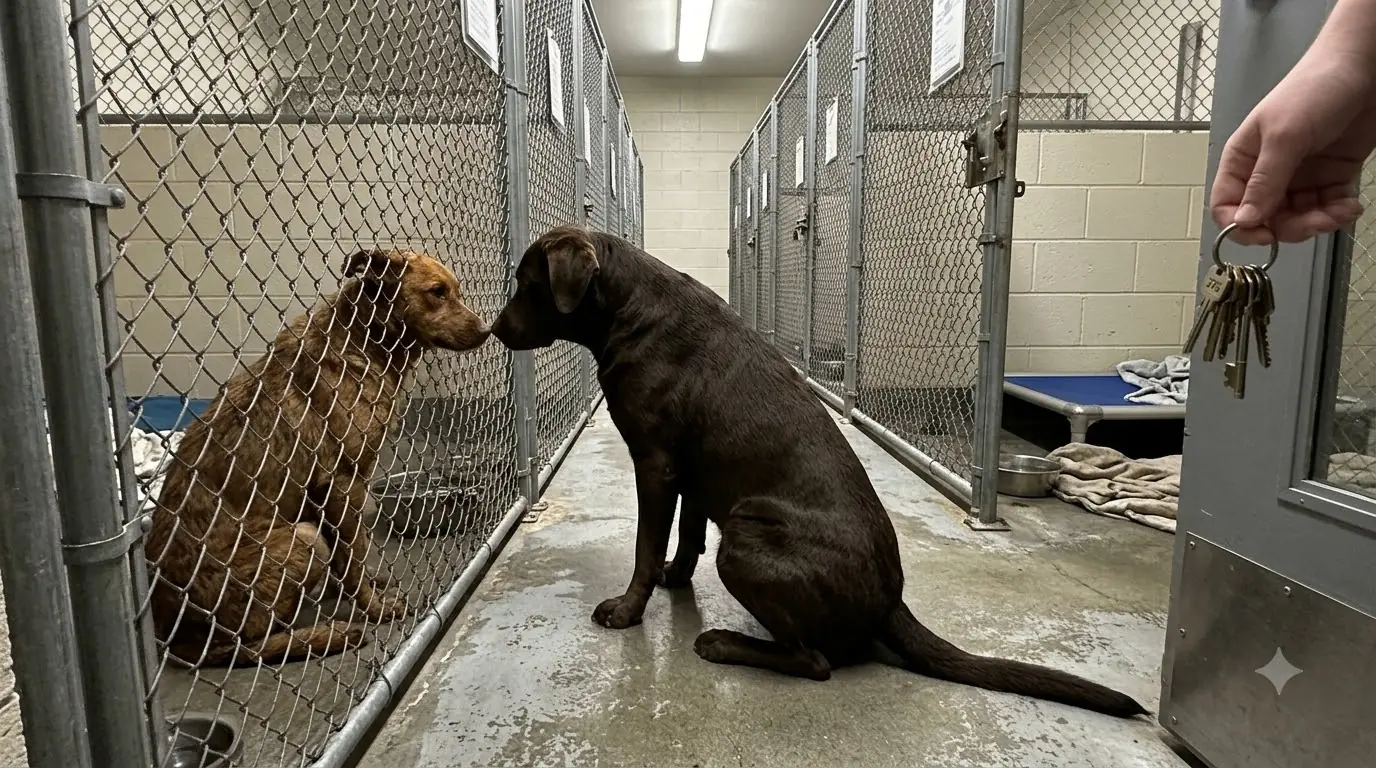
Hank and Lily’s Recovery After Four Broken Kennel Latches
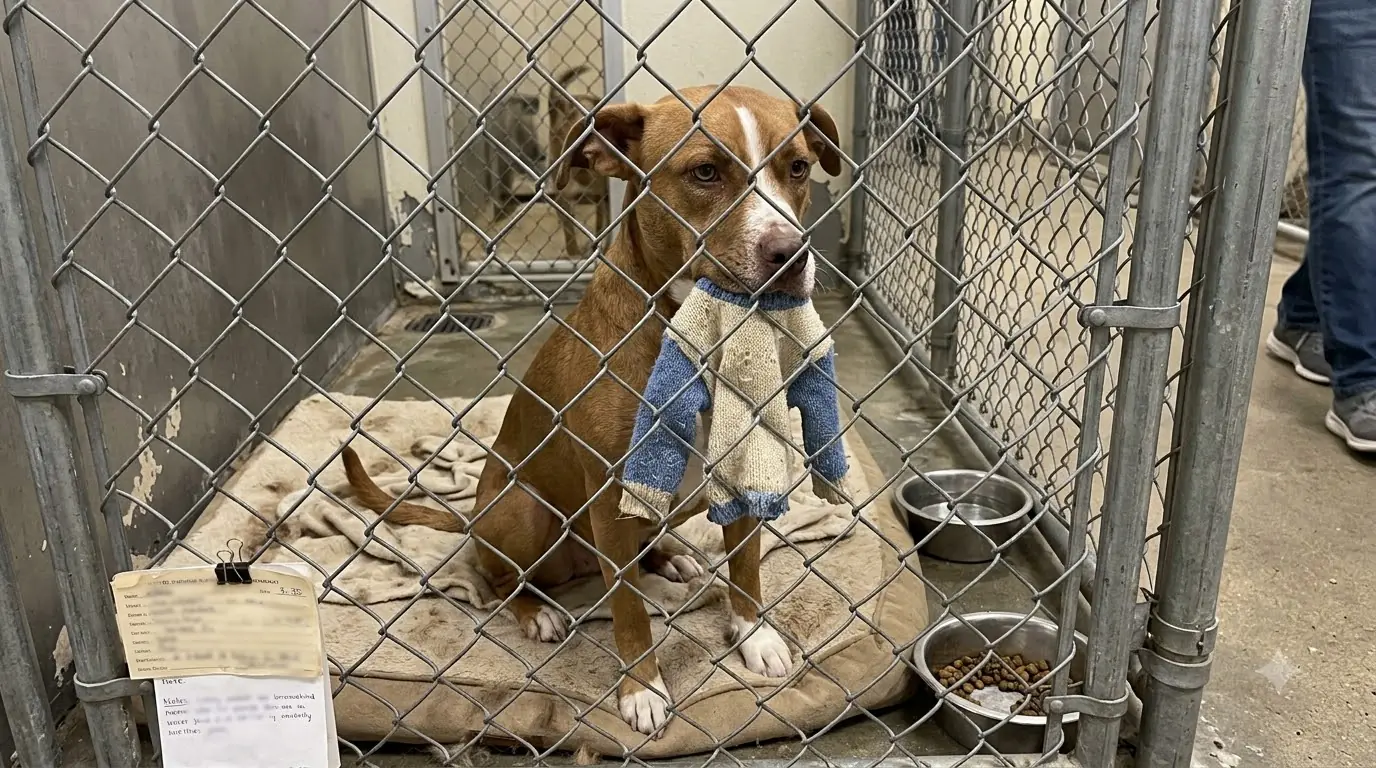
Knit’s Recovery After Losing Her Owner and Waiting Six Months
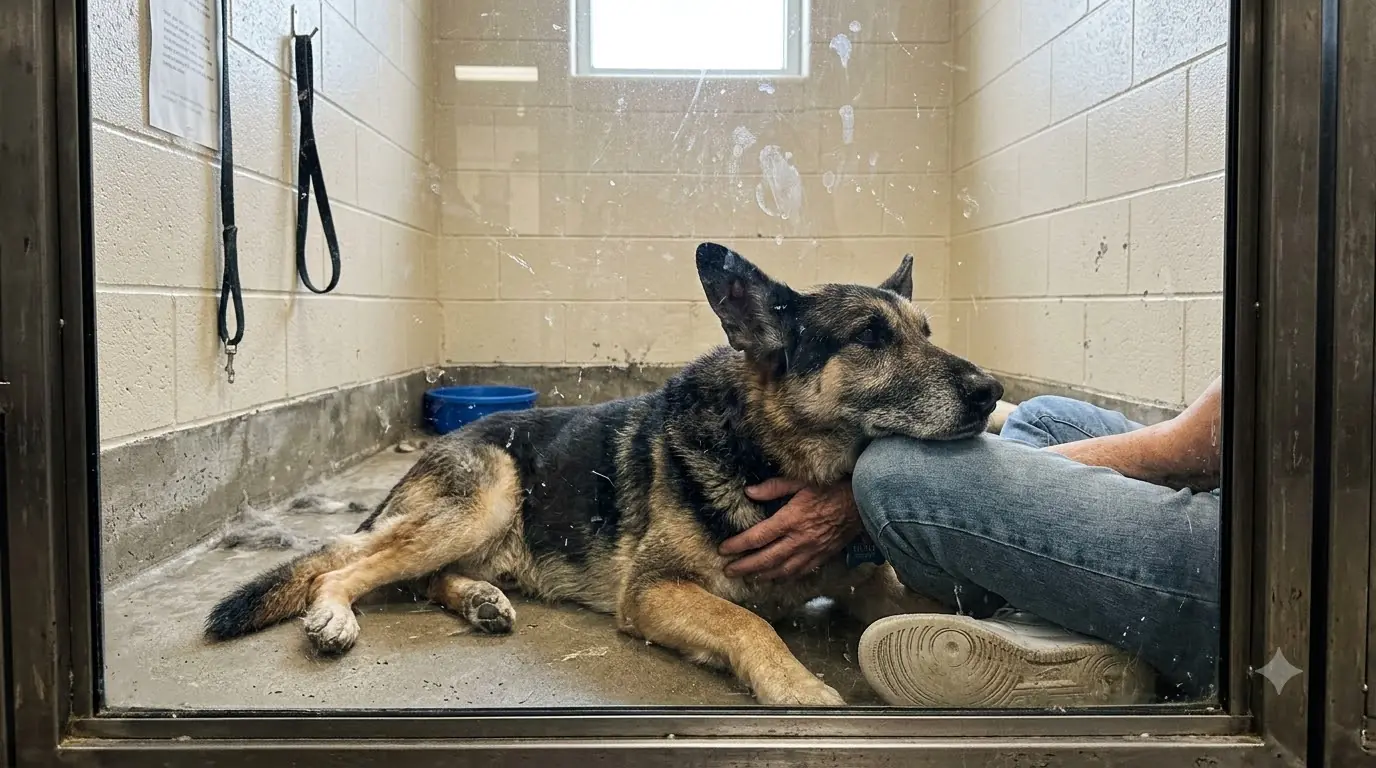
Freya’s Recovery After Being Left Outside a Shelter
The Sheriff Humiliated the “Old Outsider” in Front of Everyone — Then Dragged Him Out of His Seat
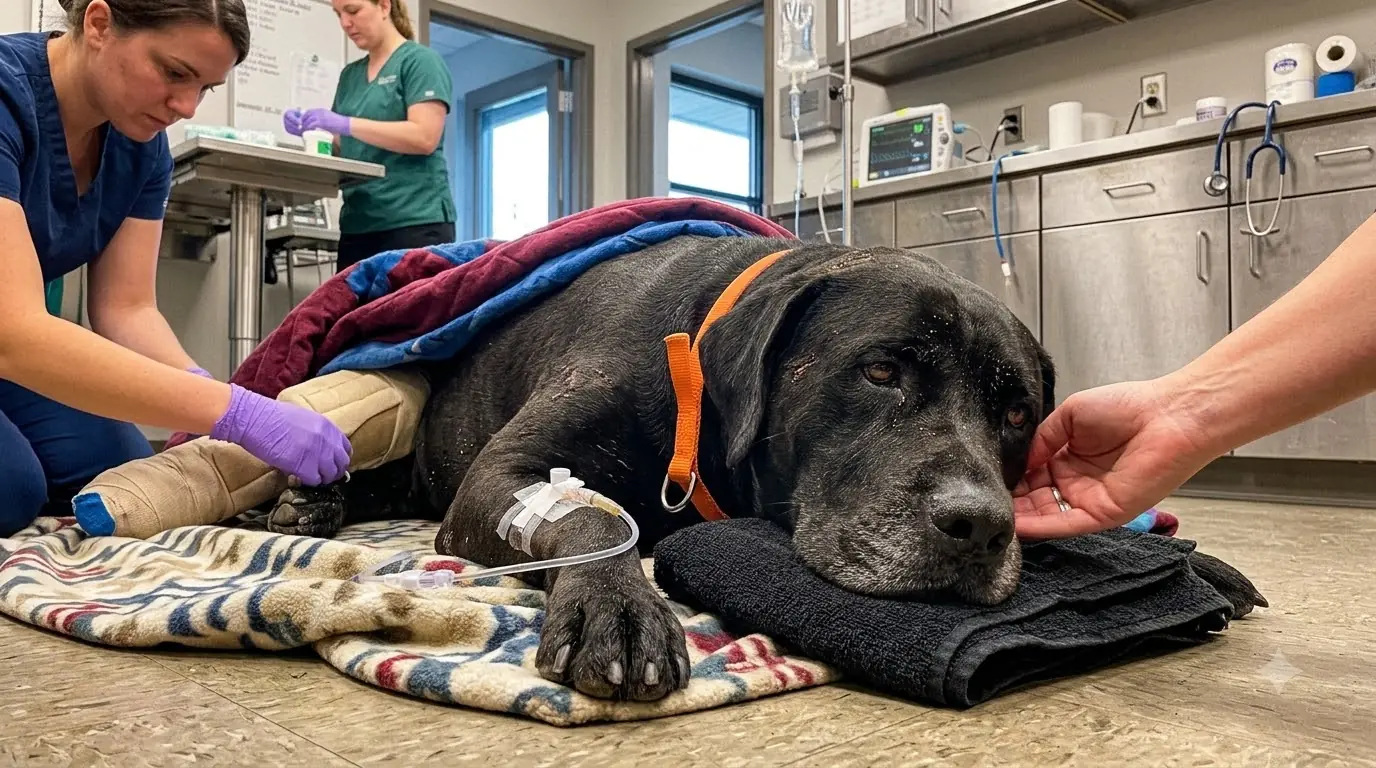
Sainty’s Recovery After Being Struck and Left Beside the Road
He Cornered the “Weak Office Guy” in an Empty Garage — Then Threw the First Punch
He Treated Her Like Dirt on Her Own Land — Until Someone Rode Through the Gate
5 Part