He Treated Her Like Dirt on Her Own Land — Until Someone Rode Through the Gate
Chapter 5
Reader Theme:
Font Size:
24px
Something warmer than his professional manner. Something that in a different man she might have called admiration. "Your father would have been proud," he said. She received it simply. "Yes," she said.
"He would have been. " They stood on the street outside the courthouse, Elizabeth and Nathan and Silas and Fitch, an unlikely four who had built something improbable out of a note under a water bucket and a farrier appointment and nine years of Arthur Voss's guilty conscience. The cold was still sharp and the street was moving around them with the ordinary business of a Laramie afternoon. Silas shook Fitch's hand and then turned to Elizabeth. He extended his hand to her. She looked at it.
Then she shook it firmly. The way her father had taught her to shake hands, not tentatively, not performing anything, just the direct and uncomplicated contact of two people reaching an agreement. "I'll have my people off the property by the 15th," Silas said. "Except Clem. The boy's got nowhere to go and he's good with horses. " "I know," Elizabeth said.
"I'll keep Clem. " Silas nodded. He looked like he might say something more, then didn't, which was perhaps the most restrained she had ever seen him. He tipped his hat to her, not to Nathan, not to Fitch, to her specifically, which was its own small thing, and walked to his horse. Fitch excused himself with the particular brisk efficiency of a man who already had the next three hours organized in his head. And then it was just Elizabeth and Nathan on the street and the afternoon moving around them and the cold.
"Well," Nathan said. "Well," she said. A pause. "You did it," he said. "We did it. " "I carried paperwork," he said.
"You built the case. " "You found Petty," she said. "Without Petty, we would have won anyway," he said. "Maybe slower, maybe harder, but you had Voss and the signature and the pattern documentation and Silas. You had enough. " He looked at her with the direct attention she had come to expect and had not stopped noticing. "I want you to understand that, so that when you walk back onto that land, you know that what made this possible was what you did, not what anyone did for you.
She looked at him for a long moment. Why does that matter to you? She said, that I understand it that way. He considered the question with the seriousness he gave most questions. Because you're going to have to run that operation alone, he said.
And the way you understand how you got it back is going to determine how you run it. If you think you needed saving, you'll always be waiting to need saving again. If you know you won this, he paused. Then you'll know you can do the next thing, too. Elizabeth stood with the cold moving around her and the courthouse behind her and her father's land an hour south waiting.
I know I won this, she said. Yes, he said. You do. Another pause, longer. The kind of pause that has weight.
What happens now? She said. And the question was larger than the words and they both knew it. Nathan turned his hat over in his hands once. I go back to my ranch, he said.
12 miles north. The brood mares are settling in. Well, Cassidy especially. She's putting weight back on. He paused.
And I reckon if you were willing, I might ride south sometimes to see how the Carter operation is coming along. That's a significant ride for a status report, she said. I've made longer rides for worse reasons, he said. She looked at him. The particular quality of his attention.
The way he occupied a situation completely without performance, without the constant self-positioning she'd spent 6 years managing around in other men. The way he had said we move faster and meant it. The way he had held her hand in the courtroom for exactly as long as she'd needed it and released it when she needed to stand. Come for supper, she said. When the property is transferred, give me 2 weeks to get the house in order and then come for supper.
She paused. And bring something to talk about besides horses. Something shifted in his expression. Not a broad smile. He was not a broadly smiling man, but the specific contained warmth of someone whose face is doing exactly what they wanted to do.
I think I can manage that, he said. The 2 weeks that followed were the hardest and the best of her life, which was a combination she had not previously known was possible. Hard because the work of taking legal possession of a property after 6 years of someone else's occupation was considerable. There were inventories and assessments and the careful methodical process of Silas's people departing and their things departing with them. There were mornings when she walked through the house room by room and touched the walls and the door frames and tried to square the feeling of the place with the fact of the place that it was hers, now legally and formally and finally, and that no document could be produced to say otherwise.
Hard because there were nights when she sat in the kitchen her father had built and the weight of the 6 years that had happened inside it pressed down on her in a way she hadn't anticipated. Not grief exactly, not anger, but the specific exhaustion of someone whose long tension has finally been allowed to release. Her body did not know what to do without the constant low-level preparation for threat. It was like a hand that has been clenched for years suddenly being open the ache of the new position, the strangeness of it. She cried twice.
Both times in the barn with Cassidy's warm neck under her hand and the mare's ear turned toward her with the attentive patience of an animal that understands on some essential level that a person sometimes needs to not be performing anything for a while. You've been waiting, too, she told Cassidy the second time. All of us waiting for the thing that was supposed to happen to happen. She stroked the mare's neck. It happened.
Cassidy shifted her weight and pressed her nose briefly against Elizabeth's shoulder and then went back to eating, which was the horse's version of yes, I heard you now. Let's move on. And Elizabeth laughed. Actually laughed. A sound that surprised her from the inside, the same way the smile had weeks ago and wiped her face and went back to work.
Best because the work was hers. Every fence post she assessed. Every animal she checked. Every account she opened and tallied and organized according to the system she'd built in her head over 6 years. The system that had been running Silas Greer's operation without his knowledge or appreciation.
It was hers now. The decisions were hers. The mornings were hers. When she looked at a problem, she was solving it for herself and the specific equality of that, the absence of the filter, the intermediary, the man whose approval she'd needed to channel every good idea through was something she hadn't known she'd been missing because she'd never in her adult life had it before. It felt like breathing fully.
Like discovering at 26 that you'd been taking shallow breaths for 6 years and you were just now finally filling your lungs. Clem stayed as agreed and proved his usefulness immediately by fixing the drainage issue in the eastern pasture that had been a problem since before Elizabeth could remember. He didn't ask many questions, which she appreciated. He worked and she worked and at the end of the first week he said without preamble, this is better and she said yes, it is and they went back to work. The letter from the territorial attorney's office arrived on the ninth day.
Her testimony was scheduled for March. They were building the case against Caldwell, six counts of fraud, potentially more and they wanted everything she knew. She wrote back that she would be there, and she would tell them everything, and she was not afraid. She was not afraid of any of it. On the 14th day, she found something she hadn't been looking for.
She was going through the storage room at the back of the house, the one that Silas had used for old documents and broken equipment, and the accumulated material of a man who never threw anything away when she found a box on the back shelf. Wooden, small, latched with a simple brass hook. Her name on the top. Not Greer's handwriting. Her father's.
She sat down on the floor of the storage room and held the box in her lap for a long moment before she opened it. Inside, a letter. Longer than the ones she'd kept. Many pages folded together. Dated 3 weeks before his death.
She read it in the storage room on the floor with the cold coming through the walls and the sound of Clem working somewhere outside. Her father had known about the debt to Caldwell. Had known it was larger than he could easily service. Had written to her. Written this letter, apparently intending to give it to her directly, and then losing the time to do it, explaining everything.
The loan, the terms, the way Caldwell had restructured it twice. His suspicion stated plainly that Caldwell intended to use the debt as a means to acquire the land. His intention stated just as plainly to fight it. And at the end, I don't know if I will have the time to fix this before it becomes your problem. I hope I do.
But if I don't, Elizabeth, I need you to know that this land is yours. Not because of any document. Because you were born on it, and you know it, and you have the intelligence and the stubbornness to keep it if you choose to. Whatever Caldwell does or tries to do, the land is yours. Fight for it.
I am sorry I couldn't do more of the fighting myself. She sat on the floor of the storage room, and she read it three times, and she understood finally, completely, the thing she had perhaps known, but not been able to articulate, that she had not been fighting against Silas or Caldwell, or the law, or the territory, or the particular and pervasive contempt of a world that did not take women seriously. She had been fighting for her father, for the man who had taught her to read a horse's gait and a legal document with the same attention, who had spoken to her as a person her entire life, who had looked at the land and seen a responsibility and passed that understanding to her as deliberately as he'd passed her his handwriting. She had been fighting to be worthy of having been his daughter. She folded the letter carefully and put it in her pocket with the others.
Five letters now. The correspondence of her whole life. She stood up. She went back to work. Nathan came on the 15th day, which was not 2 weeks exactly, but close enough, and he came at supper time the way she'd asked, and he brought a bottle of good wine from Laramie, and a book he'd thought she might like, a history of land law in the western territories, which made her laugh in a way that also made her eyes sting slightly.
"That's not exactly a light supper topic," she said, taking it. "You told me to bring something to talk about besides horses," he said. "I tried to find a middle ground. " "Land law is your middle ground between horses and everything else. " "I figured it was on your mind," he said. "And I was right. " She set the book on the table and looked at it and then at him. "Come in," she said.
"I made rabbit stew. It's not fancy. " "I didn't come for fancy," he said. He came in. She had set the table the way her mother had taught her properly, with the cloth her mother had kept folded in the drawer, which she'd found in the same drawer it had always been in when she'd gone through the house on the first day. Some things Silas Greer had not touched because he hadn't known they were there.
And the discovery of each of them, the cloth, a particular cup, a small painted box on a windowsill, had been its own specific and quiet restoration. Nathan sat at the table and looked at the room and did not comment on the cloth or the cup or the fact that this was her father's kitchen and she had reclaimed it. He just sat in it like a man who understood that some spaces required no commentary, just presence. She brought the stew and the bread she'd made that morning and sat across from him and they ate and the conversation found its own level, the way conversations between people who have been through something together tend to do. Not starting from the beginning, not requiring setup, just continuing from wherever the last real thing had been said.
"The territorial attorney wants my testimony in March," she said. "I know. Fitch told me. " He looked up. "Are you ready for that? " "Yes," she said. And then because he deserved more than the short answer, "I'm not looking forward to it, but I'm ready for it.
There's a difference. " He nodded. "Caldwell's already trying to move assets," he said. "Fitch heard from the attorney's office. He's been transferring property to a brother-in-law in Colorado. " Elizabeth's jaw tightened. "Can they stop it? " "Working on it. " He paused.
"The seven families from the prior acquisitions, some of them are coming forward. Two of them have hired Fitch directly. The Carbon County case, the widow, she wants her land back, too. " She set down her spoon. "How many? " she said. "Fitch thinks potentially four full cases, maybe more if the attorney's investigation surfaces additional victims. " He looked at her.
"What you did, the case you built, the way Fitch assembled it, it cracked something open. Those people had no case before. Now they have a template. She sat with that for a moment. Four families, four other people who had spent years inside an injustice they couldn't prove carrying the weight of something taken from them by a man who had counted on their inability to fight back.
Tell Fitch I'll talk to any of them who want to understand how the case was structured, she said. What we did with the documentation, the pattern evidence, if any of it helps them. I'll tell him, Nathan said. She picked up her spoon. They ate in silence for a moment, the comfortable kind, the kind that exists between people who have nothing to prove to each other.
I found a letter, she said. My father's, in the storage room. Nathan waited. She told him about it. Not all of it.
Some of it was too specific and too interior to say aloud to anyone, yet maybe ever. But the shape of it. Her father's knowledge of Caldwell's intentions. His instruction to fight. He knew you would, Nathan said when she finished.
He hoped, she said. He knew, Nathan said. You don't write a letter like that to someone you think is going to fold. You write it to someone you're counting on. He looked at her steadily.
He was counting on you. She breathed in slowly. Yes, she said, he was. The evening moved around them, the fire, the wind outside, the sound of Clem finishing up in the barn for the night. At some point the stew was finished, and she made coffee, and they moved from the table to the chairs beside the fire, and the conversation moved, too.
Loosening into something less structured, more personal. Not the logistics of legal proceedings, but the other things. His ranch. The brood mares. The loss he'd mentioned once briefly, the woman he'd been going to marry, killed in a robbery on the road to Cheyenne 7 years ago, which he spoke about now with the measured openness of someone who had processed the grief into something he could carry without being carried by it.
She listened the way she always listened, completely without interrupting, without the anxious need to fill space that some people had. She'd learned to listen from her father, who had believed that hearing something accurately was the first requirement of responding to it usefully. "You don't talk about yourself much," Nathan said at one point. "I talk about what's relevant," she said. "To me," he said.
"What's relevant to me is you. " A pause. Not awkward. He was not an awkward man. Just the natural pause of someone making sure the words were the right ones. "What you want for this operation?
What comes next? What you" He stopped. Started again more directly. "I've been writing down here in my head for 2 weeks, since the courtroom, working out what I wanted to say when I got here. " She looked at him. "And," she said.
"And I got here and it all seems obvious," he said. "Which is either a good sign or I'm not as prepared as I thought. " "Say the obvious thing," she said. He looked at her across the fire with the expression she'd first identified in the barn 3 weeks and a lifetime ago. The careful, precise attention of someone who saw things as they were and found no need to soften or inflate them. "I'd like to court you," he said.
"Properly, if you're willing. " The fire moved. Elizabeth looked at him for a moment. This man who had ridden through her gate looking for horses and found something entirely different, who had written to a lawyer without being asked, who had ridden to Cheyenne in winter for a witness, who had held her hand in a courtroom and released it when she needed to stand, who had come to her kitchen with land law and rabbit stew and said, "I carried paperwork" when she tried to give him credit. She thought about what she'd told Fitch. Visibility is a different kind of protection than silence.
She thought about her father's letter. Fight for it. She thought about the specific and unglamorous truth of what Nathan Walker was not a rescuer, not an idealization, but a man of demonstrated character who had looked at a complicated situation and made simple choices consistently in the direction of what was right. "You should know," she said, "that I am not an easy person. " "I know that," he said. "I have opinions about everything.
I do the accounts my way. I will argue with you when I think you're wrong. " "I'm counting on it," he said. "I am not going to need you," she said. "I'm going to want you. That's different.
And I need you to understand the difference. " He held her gaze. "Elizabeth," he said, "I have watched you run a legal case, manage a panicking rancher, coordinate three witnesses, identify a systematic fraud, and make rabbit stew. I know exactly who you are. I'm not asking you to be anything different. A pause.
I'm asking if you're willing to let me be around while you're being exactly that. " She looked at him. She thought about the note under the water bucket. Eight words that had described a minimum standard of human decency as a selling point. Pay is fair. Nobody throws cups at walls.
And how she'd folded it carefully and placed it next to her father's letter because something in her had recognized even then that it meant something. That the person who wrote it was different in a way that mattered. "Yes," she said. "I'm willing. " He nodded. Not with relief.
He hadn't been uncertain exactly. With the quality she'd come to understand as his particular version of satisfaction, quiet, complete, requiring nothing further. "Good," he said. And they sat by the fire in her father's house on her father's land, the wind working at the walls outside, and they talked until the fire burned low, and it was ordinary and extraordinary simultaneously, the way the best things are. Spring came to Sweetwater County, the way it always came, gradually.
Then, all at once, the cold releasing its hold in stages before finally giving way to the particular green of Wyoming in April that had no equivalent anywhere Elizabeth had ever heard described. The Carter operation in the spring of 1885 was not yet what it would become, but it was moving in that direction with a speed that surprised even Elizabeth, who had planned for it carefully and still found the reality exceeding the plan. She hired two hands in addition to Clem, a woman named Ruth, who had been running her deceased husband's small spread alone for 3 years and knew livestock management with the same bone-deep competence that Elizabeth knew accounts, and an older man named Pike, who had been cowboying since before Elizabeth was born and whose knowledge of horse breeding was the kind that doesn't come from books. She paid them fairly. She told them exactly what the operation was and what she expected and what they could expect in return, and she did not soften any of it, and both of them stayed.
The testimony in March had gone exactly as Fitch had predicted, long, detailed, and difficult in the specific way that being required to be completely precise about things you've spent years trying not to dwell on is difficult. She had testified for two full days. She had answered every question without deflection and without embellishment. And at the end of the second day, the territorial attorney had shaken her hand and said without flattery, "Ms. Carter, this testimony is going to matter. " And she had said, "I know," and walked out of the building into the March cold and stood on the street for a moment just breathing.
Nathan had been there. He'd waited both days outside with his horse and his patience and a kind of quiet steadiness that she was beginning to understand was not simply his manner, but something he did deliberately. The choice to be steady made daily, the same way she made the choice to be precise. Caldwell's trial was scheduled for June. Three of the four families Fitch had identified had filed formal cases.
Two had already received preliminary rulings in their favor. The widow in Carbon County, a woman named Helen Marsh, no relation to Charlotte. The documents examiner had gotten her 40 acres back in February, and the letter she'd sent Elizabeth afterward was three pages long and barely coherent with relief and gratitude. And Elizabeth had read it twice and then put it carefully in the box where she kept her father's letters. Not because it was the same as those letters, but because it belonged with things that had weight.
Nathan rode south on the first Sunday of every month and increasingly on other days when the excuse presented itself, and by April the pretense of needing a specific reason had worn thin enough that neither of them maintained it. He came because he wanted to be there. She was there because she lived there. These facts had arranged themselves into a pattern that the people of Sweetwater County observed with the particular attention that small communities give to anything worth noticing, and the observations were mixed in the way that most things worth noticing produce mixed observations. There were people who said it wasn't proper.
There were people who said it was about time. There were people who had known Elizabeth's father and who saw something in the situation that they didn't have adequate words for something about restoration, about rightness, about the specific satisfaction of watching a wrong thing become slowly, methodically, undeniably right. Old Henderson at the feed store, who had known James Carter since before Elizabeth was born, stopped her in town one April morning and held her hand in both of his ancient leathery ones and said, "Your daddy always said you were going to be something, Elizabeth. He said it from when you were this high. " He gestured at a height that suggested she'd been approximately five. "I told him he was getting ahead of himself. " A pause.
"I was wrong. " She squeezed his hands. "You were," she said and smiled. The conversation with Nathan that mattered most happened on a Tuesday in late April, which was unremarkable, except that unremarkable days are often where the important things find their space. She was doing accounts at the kitchen table, the accounts of her own operation, which she had now organized into a system of such clean and elegant efficiency that Fitch had asked her twice if she'd consider doing accounts work for other ranchers in the area, and Nathan was reading the land law book he'd brought, which they had apparently both been working through in parallel without mentioning it. And the kitchen was warm, and the horses were settled, and Clem and Ruth and Pike had gone home, and it was just the two of them in the particular quiet of a shared evening.
"I want to expand the breeding program," she said without looking up. "How? " he said without looking up, either. "Cassidy's first foal from the breeding season is going to be exceptional. I can feel it in the bloodline. If I get two or three mares of comparable quality," she paused, running figures.
"Within three years, the Carter operation could be producing the best breeding stock in Sweetwater County. " A pause. "Better than Walker Ranch," Nathan said. She looked up. He was looking at her over the top of the book with an expression that was the most openly amused she'd ever seen on him. "Yes," she said.
"That is an aggressive claim. " "I am an aggressive person," she said. "You said you were counting on it. I was, he said. He set the book down. I have two mares at the Walker spread that I've been trying to decide what to do with.
They're not quite what I need for my program, but they'd be exactly right for yours. She studied him. How long have you been sitting on that? She said. Since January, he said.
I was waiting to see if you were actually going to build what I thought you were going to build. And you're building it, he said. So. He looked at her steadily. I'll bring them down next month.
Call it a contribution to the Carter breeding program. I'll pay you, she said immediately. We can argue about that, he said. We will, she said. He almost smiled.
I know, he said. She looked at him across the table. This man in her father's kitchen, reading her land law book, offering her mares for her breeding program, and felt the full and somewhat vertiginous quality of where she was. Not just in this room, in this house, on this land, but here a person who had survived 6 years of compression and was now daily discovering the dimensions of what she was when she was allowed to take up space. Nathan, she said.
Mhm. Thank you, she said. Not for the mares. For she stopped looking for the right words, which were harder to locate than legal arguments and account figures, because they required something different of her. For seeing what I was before I had the room to be it.
He put the book all the way down. He looked at her with the expression she had learned to read by now, the full undivided attention of someone who never looked at her sideways or glanced away or waited for his turn to speak. Someone who looked at her the way her father had looked at the land, not as a possession, but as something worth understanding completely. Elizabeth, he said. "I didn't see something that wasn't there.
I just looked. " "Most people didn't," she said. "Most people weren't paying attention," he said. She held his gaze for a moment. "I'm paying attention, too," she said, "in case that wasn't clear. " Something moved through his expression. Warm, certain, the specific quality of someone receiving something they'd hoped for without being sure they deserved it.
"It's clear," he said. She nodded and looked back at her accounts. He picked up his book, and the fire moved, and the wind was outside, and the horses were settled in the barn that her father had built on the land that was hers, and Elizabeth Carter sat in the warm kitchen of her own life and did her accounts and was not invisible, and was not afraid, and was not surviving. She was at last, and completely, and without qualification, home.
The same town that had watched her arrive at Judge Price's door with nothing but a 20-year-old's certainty and her father's letters would watch her build something they had not expected and could not have predicted, not because she was remarkable in ways they hadn't seen before, but because they had simply never looked. She had always been exactly this. She had always been enough. And the Carter land in the spring of 1885 bloomed like it had been waiting.
News in the same category
He Cornered the “Weak Office Guy” in an Empty Garage — Then Threw the First Punch

They Saw the Biker Vest and Treated Her Like a Criminal — Before She Even Spoke

They Treated the “White Belt” Like a Joke — Until She Finally Stopped Taking It
Elderly Man MOCKED By Car Dealership — The Next Day, He’s Their Boss!
She Screamed Across the Lawn Like She Owned the Street — Then the Police Asked One Question
The Bikers Mocked The Old Veteran’s Hat | Then The Colonel Walked Through The Door
Cops Handcuff A Man In Uniform — Unaware Of Checking His Real Badge
He Shoved the Nurse Hard — Then Realized the Man Wouldn’t Budge
Security Cam Caught the Cop Pinning the Wrong Homeowner to His Own Mailbox
Racist Cop Mocked a Black Judge’s Robe as a Costume — Then Arrested the Man Presiding Over His Department’s Corruption Trial

Dashcam Caught Her Accusing the Wrong Man Beside a Ferrari
CHAPTER 2: WHEN THE BILLIONAIRE CALLED HIM DAD
CHAPTER 3: THE LEGACY THAT OUTGREW THE FERRARI
Cop Arrests a Black Judge on Her Front Porch in Front of Her Kids — Loses Job, City Pays $3.2M
They Stormed Into an Old Woman’s Home — Then a Truck Pulled Into the Driveway
CHAPTER 2: THE GHOST WHO BURNED THE NETWORK DOWN
CHAPTER 3: WHEN JUSTICE FINALLY CAME HOME

15-Year-Old Found in Car With Suspicious Men and Loaded Assault Rifle
News Post

A Weak Kitten Was Found Trapped Inside a Flooded Storm Drain
Southern Creamy Pineapple Pecan Cake – Ultra-Moist, Nutty & Topped with Luscious Cream Cheese Frosting
Ultimate Chocolate Cupcakes – Moist, Rich & Topped with Silky Chocolate Buttercream
A Dog Was Found Tied to a Porch Weeks After Her Owners Moved Away
Max Was Returned to the Shelter Less Than Ten Days After Being Adopted
Beef Cheddar Slider Bake – Buttery, Cheesy & Loaded with Savory Beef
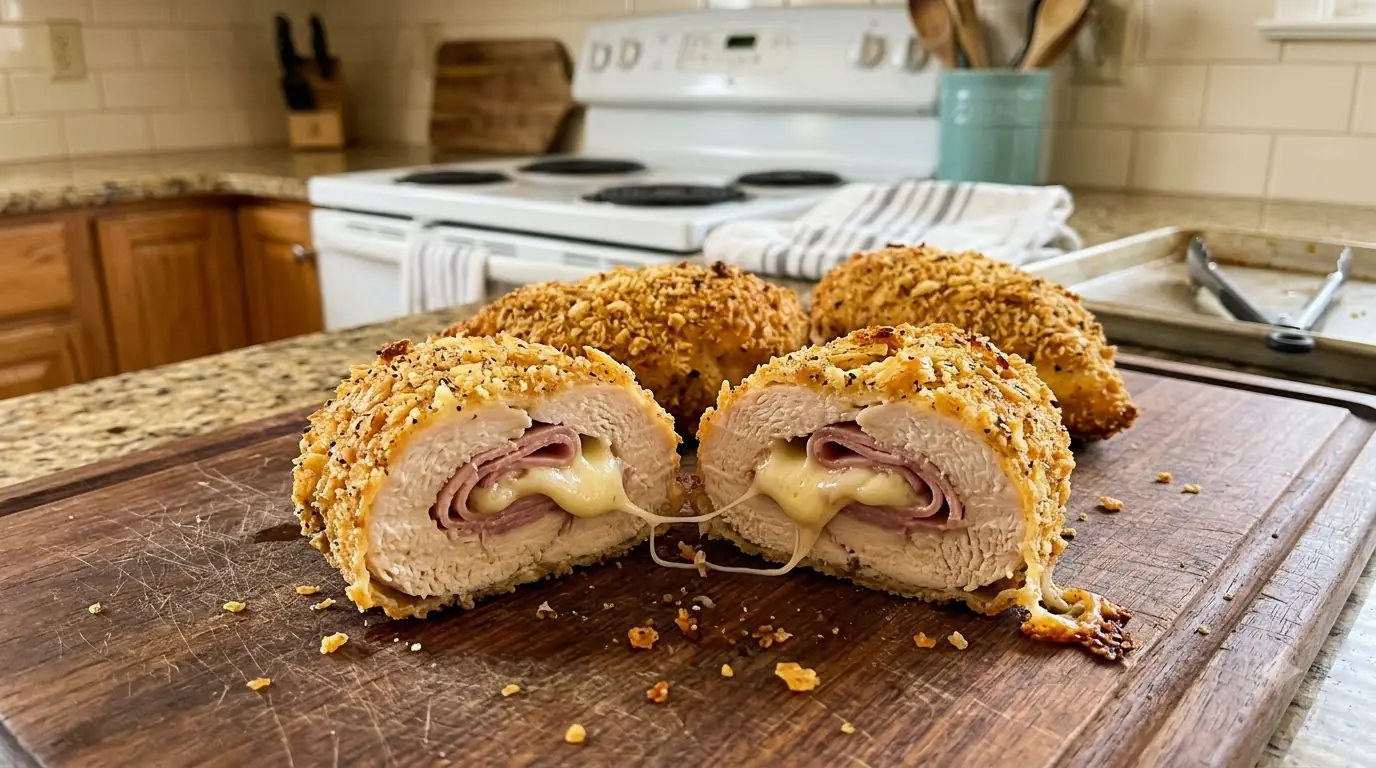
Crispy Ham & Cheese Stuffed Chicken – Golden, Juicy & Loaded with Gooey Melted Cheese
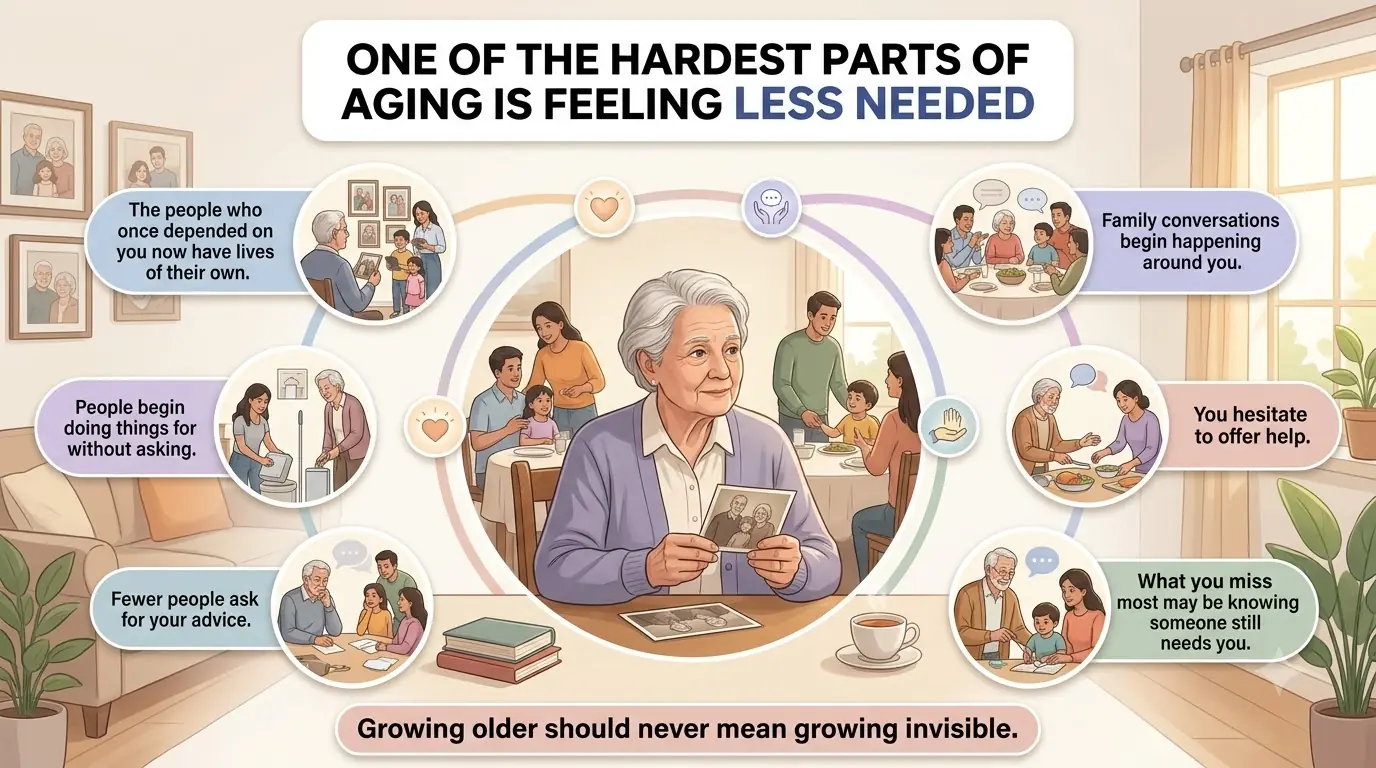
ONE OF THE HARDEST PARTS OF AGING IS FEELING LESS NEEDED
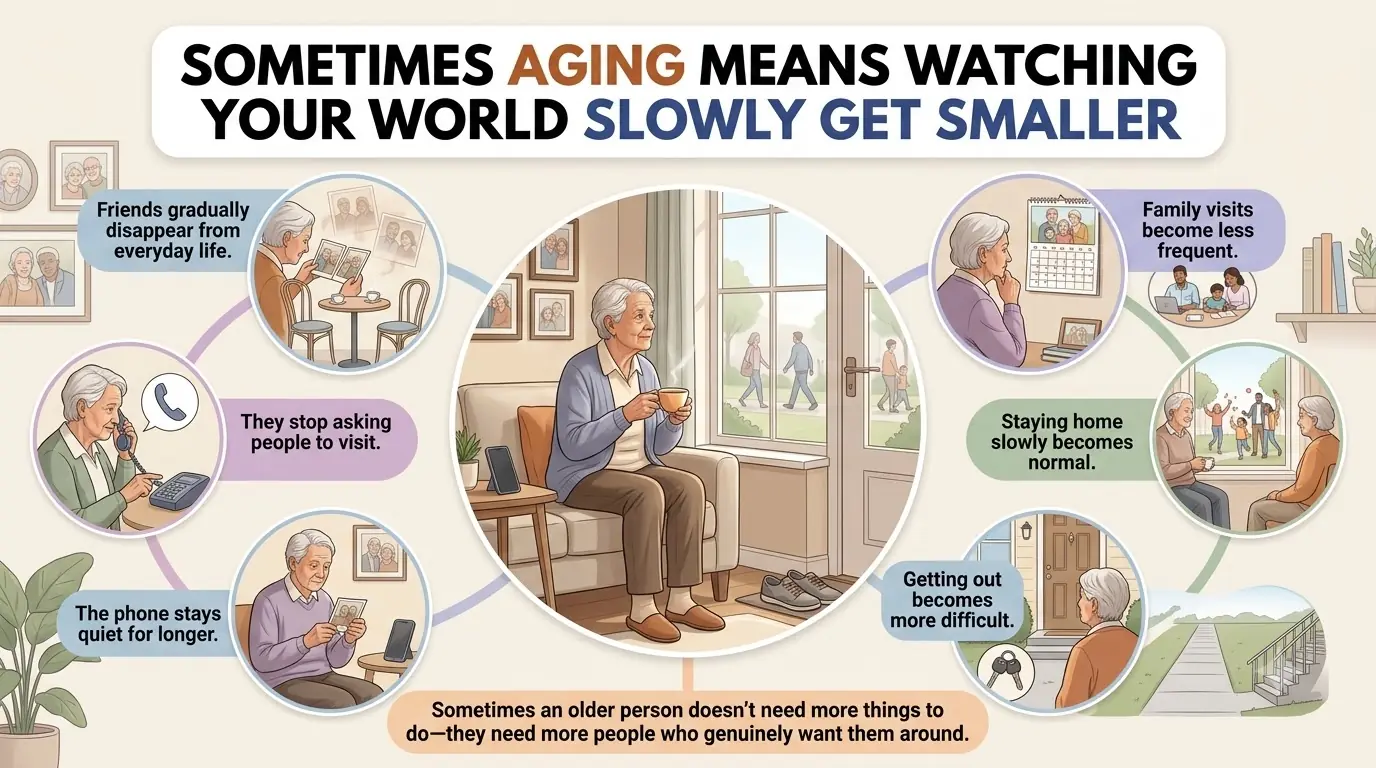
SOMETIMES AGING MEANS WATCHING YOUR WORLD SLOWLY GET SMALLER
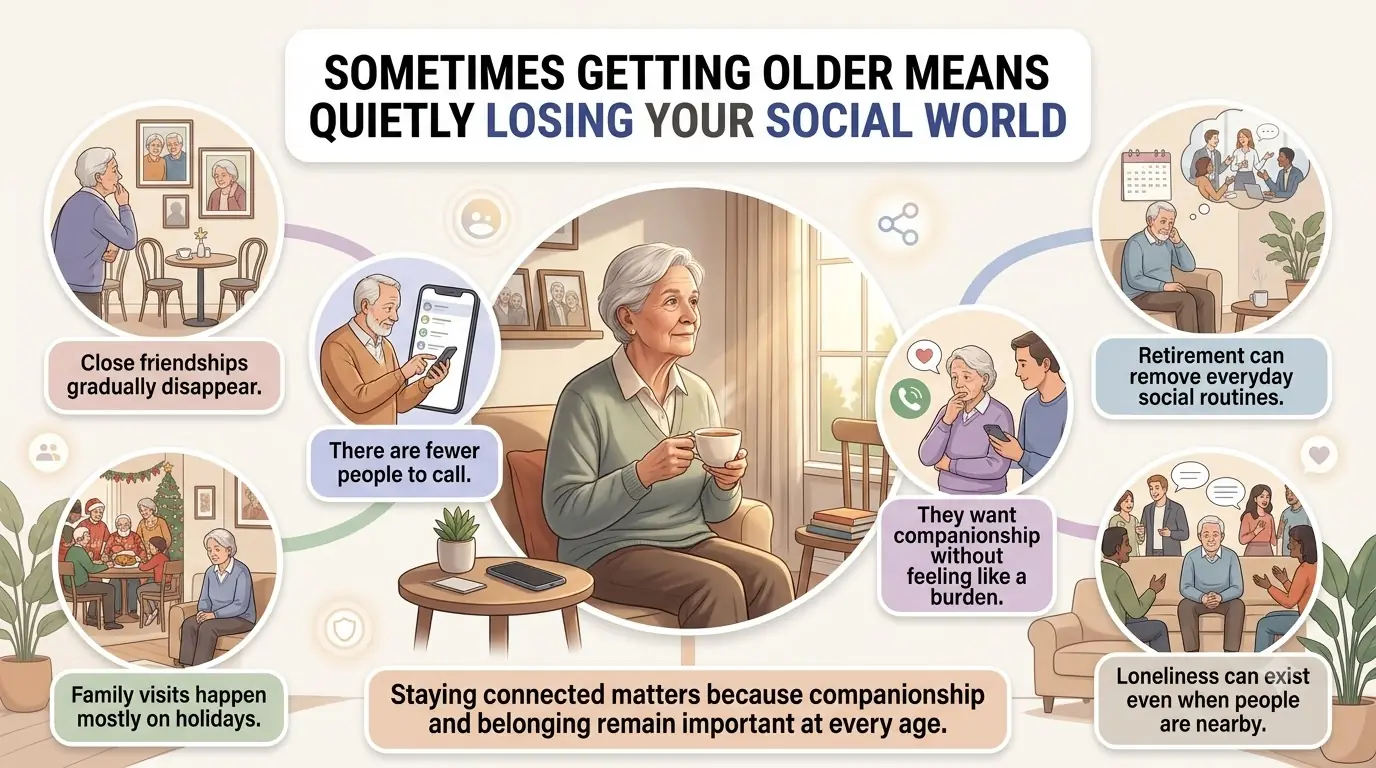
SOMETIMES GETTING OLDER MEANS QUIETLY LOSING YOUR SOCIAL WORLD
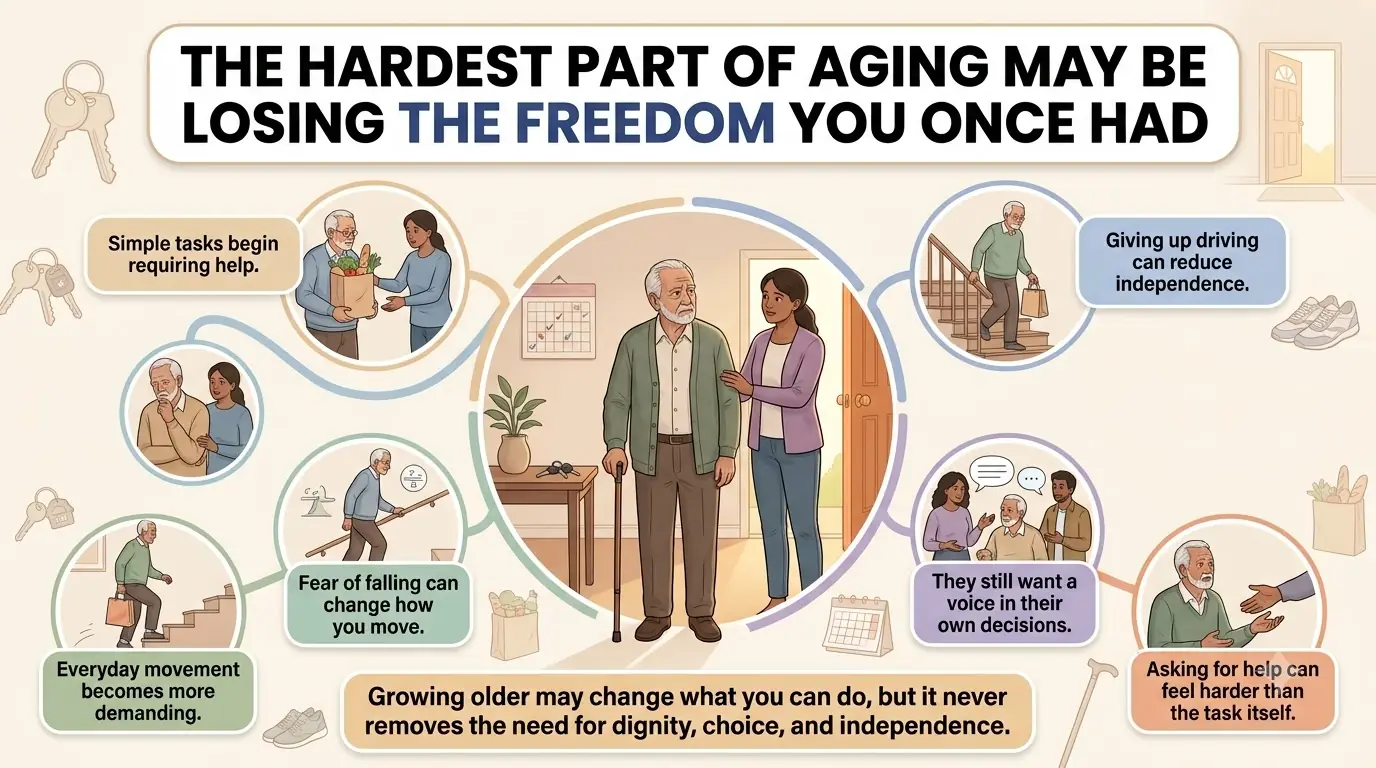
THE HARDEST PART OF AGING MAY BE LOSING THE FREEDOM YOU ONCE HAD
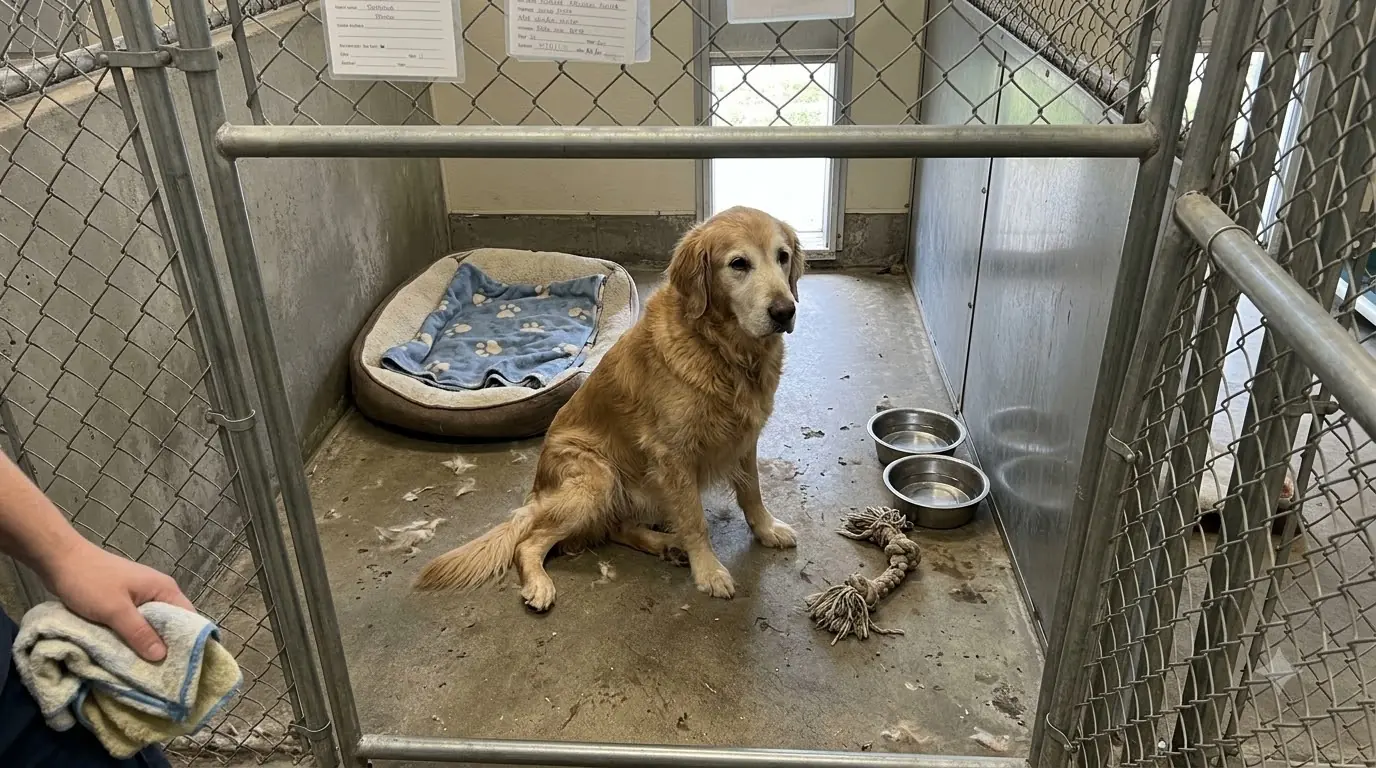
Margaret’s Recovery After a Family Surrender at Age 11
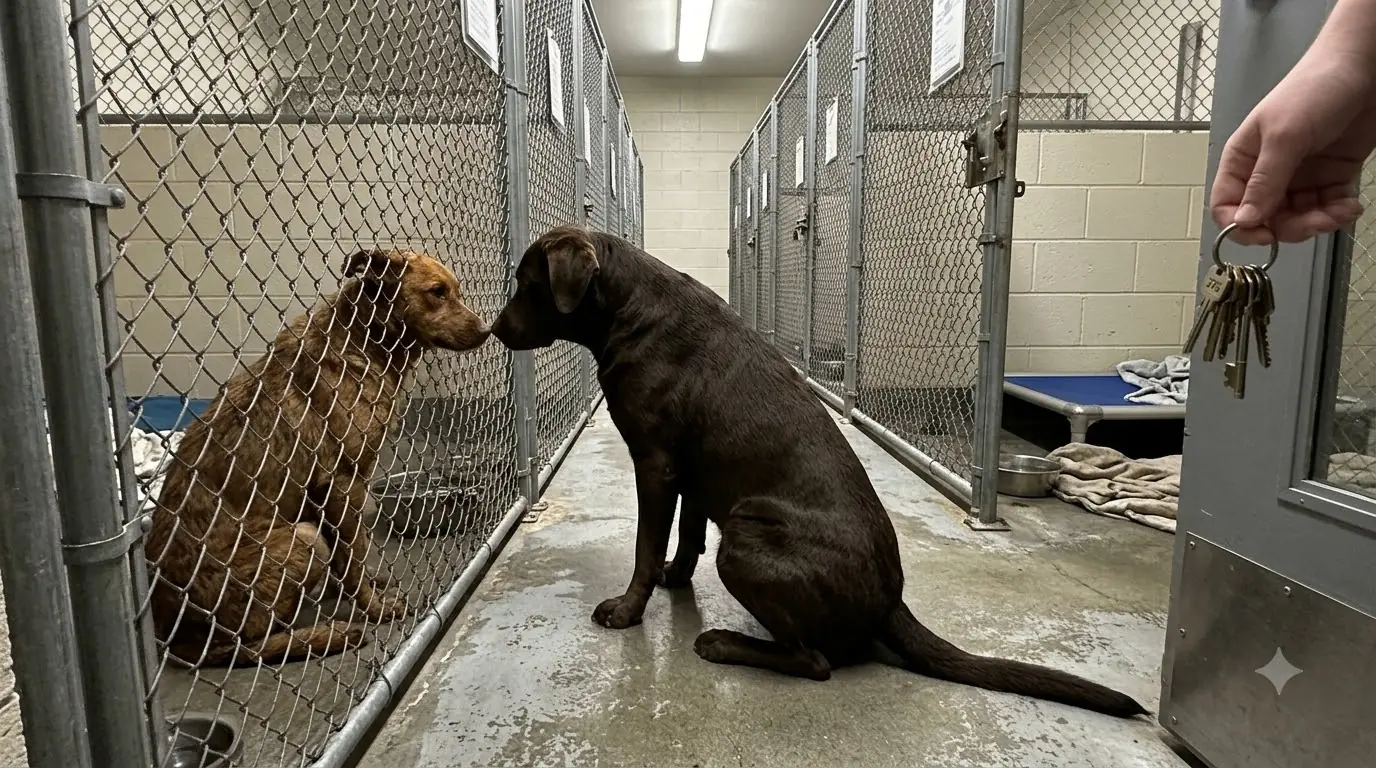
Hank and Lily’s Recovery After Four Broken Kennel Latches
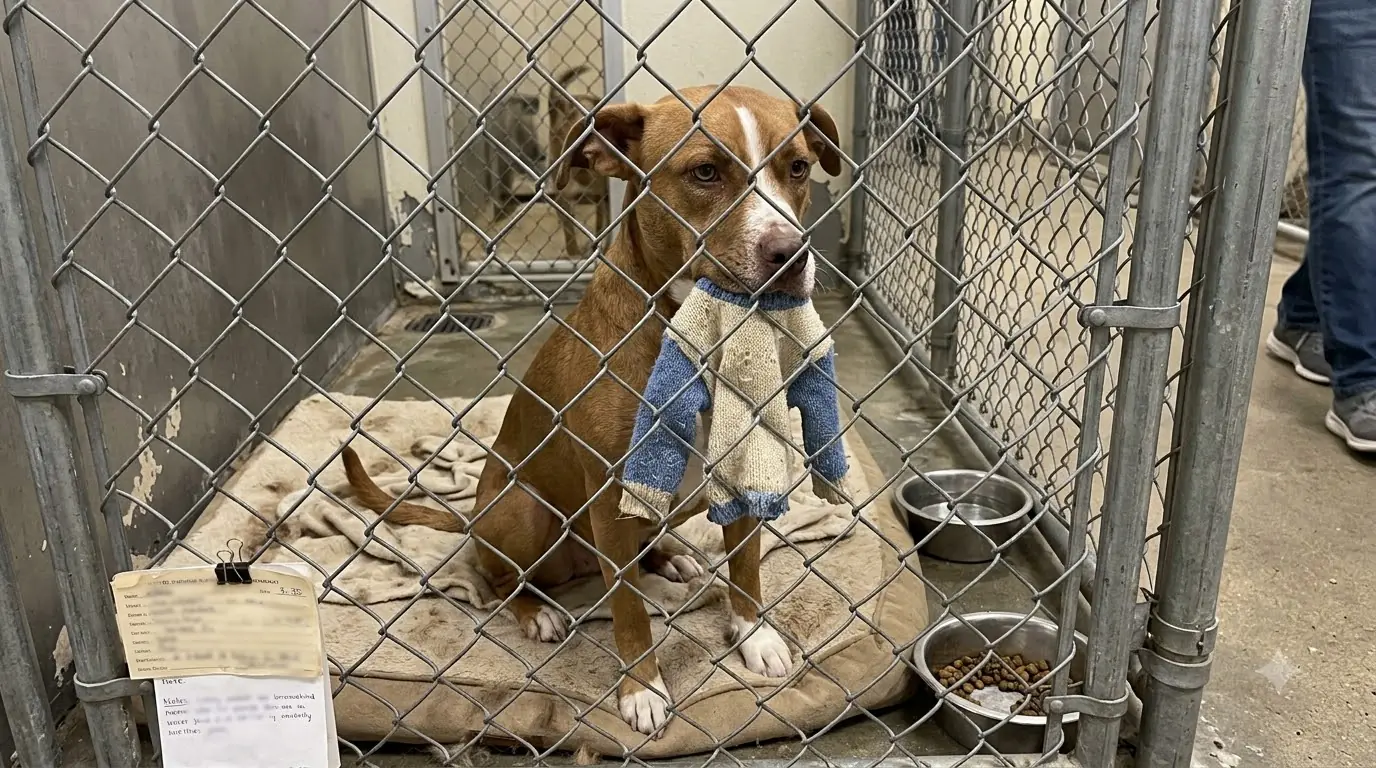
Knit’s Recovery After Losing Her Owner and Waiting Six Months
Freya’s Recovery After Being Left Outside a Shelter
The Sheriff Humiliated the “Old Outsider” in Front of Everyone — Then Dragged Him Out of His Seat
Sainty’s Recovery After Being Struck and Left Beside the Road
He Cornered the “Weak Office Guy” in an Empty Garage — Then Threw the First Punch
They Saw the Biker Vest and Treated Her Like a Criminal — Before She Even Spoke
He Treated Her Like Dirt on Her Own Land — Until Someone Rode Through the Gate
5 Part