Milo’s Recovery After Waiting by the Door Each Evening
Reader Theme:
Font Size:
24px
Milo has now been in our care for several days, and physically he is doing well. His veterinary exam did not reveal any serious illness or injury. His heart and lungs sounded normal, his temperature was stable, and basic blood work did not show anything immediately concerning. The main physical issues were mild dehydration, a few tangles in his coat, and some stomach sensitivity that may have been related to stress and inconsistent eating.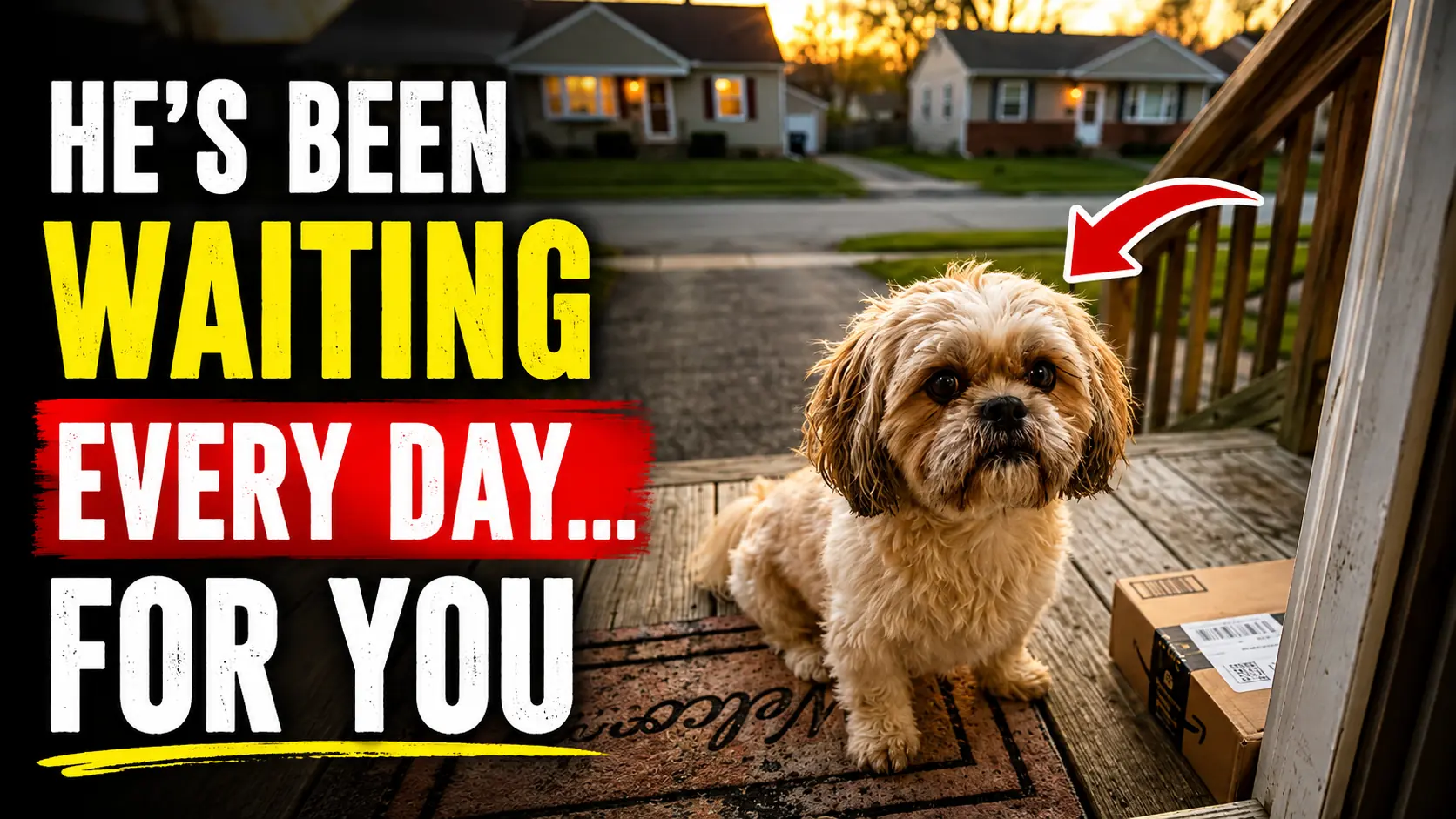
His meals are being kept simple for now. Rather than offering large portions, Milo is receiving smaller meals at regular times throughout the day. At first, he would approach the bowl, eat a little, then stop and look toward the nearest doorway. Sometimes he would leave the food completely and sit facing the hall. Over the last few days, that pattern has started to improve. He now finishes most meals if someone stays nearby, and yesterday morning he ate breakfast without leaving the bowl once.
His hydration has also returned to normal. Milo drinks regularly and no longer needs encouragement to approach the water bowl. His coat has been gently brushed and cleaned, and the small mats around his ears and legs have been removed without shaving more fur than necessary. Underneath, his skin looks healthy, with no significant irritation or infection.
The larger challenge has been helping Milo adjust emotionally.
From the first evening, he seemed most comfortable near doors. If his foster caregiver moved into another room, Milo often followed and settled somewhere he could still see the entryway. When a car slowed outside, his head lifted immediately. When someone walked past the house, he became alert and listened until the sound disappeared.
He never became frantic.
He did not scratch at the door or bark continuously.
He simply waited.
That quiet waiting has been one of the hardest parts for the people caring for him to watch.
We cannot know exactly what Milo understands about the person he is missing. Dogs do not process absence in the same way people do, and we do not want to assign human thoughts to him. What we can observe is a strong attachment to familiar sounds, routines, and entrances. He has clearly learned to associate certain noises with someone returning home.
That association takes time to change.
His foster family has been careful not to pull him away from the door or constantly distract him. Instead, they are building a new routine around him. Meals happen at predictable times. Walks follow the same quiet route. His bed stays in the same place. The people caring for him leave and return without making either moment overly dramatic.
Those simple patterns are already helping.
On his first night, Milo slept close to the front door. He curled up on the edge of a small rug and woke whenever anyone moved through the house. The following night, his foster caregiver placed a soft bed a few feet away from the same spot. Milo ignored it at first, but later climbed into it on his own.
Now he sleeps there for longer stretches.
He still raises his head when a car passes, but he settles again more quickly.
Another encouraging sign has been his response to touch. Milo was never aggressive, but during his first day he seemed unsure about prolonged affection. He tolerated gentle petting, then moved away and returned to the doorway. Over time, he has started choosing contact on his own. He now walks over and presses lightly against a caregiver’s leg, especially in the evening.
One night, after sitting near the entrance for nearly twenty minutes, Milo finally turned around, crossed the room, and climbed beside his foster caregiver on the couch. He stayed there until he fell asleep.
That was one of the clearest signs so far that he is beginning to understand he can feel safe somewhere other than beside the door.
His walks have also helped. Milo is not a high-energy dog, and he does not need long outings. Short neighborhood walks give him a chance to sniff, explore, and focus on ordinary things. At first, he repeatedly turned back toward the house. Now he spends more time investigating grass, trees, and familiar corners of the block.
Yesterday, he even stopped to watch a squirrel for several seconds.
That may sound insignificant, but for a dog who had been directing so much attention toward waiting and listening, curiosity is progress.
Milo has also started showing more interest in toys. His foster family offered several options, but he ignored them for the first two days. Then he found a small plush toy and carried it to his bed. He has not played vigorously with it, but he sometimes rests his chin beside it while sleeping.
His appetite, sleep, and willingness to engage are all moving in the right direction.
From a veterinary standpoint, no major treatment is currently needed. Milo will return for a routine recheck to make sure his weight remains stable and that his stomach continues to settle. If his appetite drops again or if prolonged anxiety begins affecting his health, additional behavioral support may be considered. For now, medication is not necessary.
The priority is consistency.
Milo needs to learn that doors opening and closing do not always mean loss.
He needs to learn that someone can leave the room and come back.
He needs to learn that resting is safe.
His foster family is giving him that chance without rushing him.
There are still moments when the old routine returns. In the early evening, Milo often walks toward the same part of the room and looks toward the driveway. If headlights pass across the windows, he lifts his head. Sometimes he sits there for several minutes before moving away.
Nobody forces him to stop.
Instead, someone eventually sits nearby.
And more often now, Milo chooses to leave the doorway on his own.
He has started following his foster caregiver into the kitchen at dinnertime. He waits beside the couch in the evening. He sleeps more deeply. His tail wags more often for familiar people rather than only for sounds outside.
Those are the changes we hope to see.
Milo is still adjusting, and we do not expect that adjustment to happen all at once. Dogs can form powerful habits around the people they love. When those routines change suddenly, some dogs need time to understand what their new world looks like.
For Milo, healing is not dramatic.
It is finishing a full meal.
It is choosing the soft bed instead of the doormat.
It is hearing a car pass and then lowering his head again.
It is walking away from the door because someone he trusts is already inside the room.
Milo may still look toward the driveway for a while.
That part of him has not disappeared.
But now, when evening comes, he does not have to wait alone.
He has a warm place to sleep, regular meals, veterinary care, and people who understand that sometimes the quietest dogs need the most patience.
For now, that is enough.
Milo is safe, and little by little, he is learning that not every goodbye means someone is gone forever.
News in the same category

The Black Belt Mocked the Old Man — Then He Stepped Onto the Mat
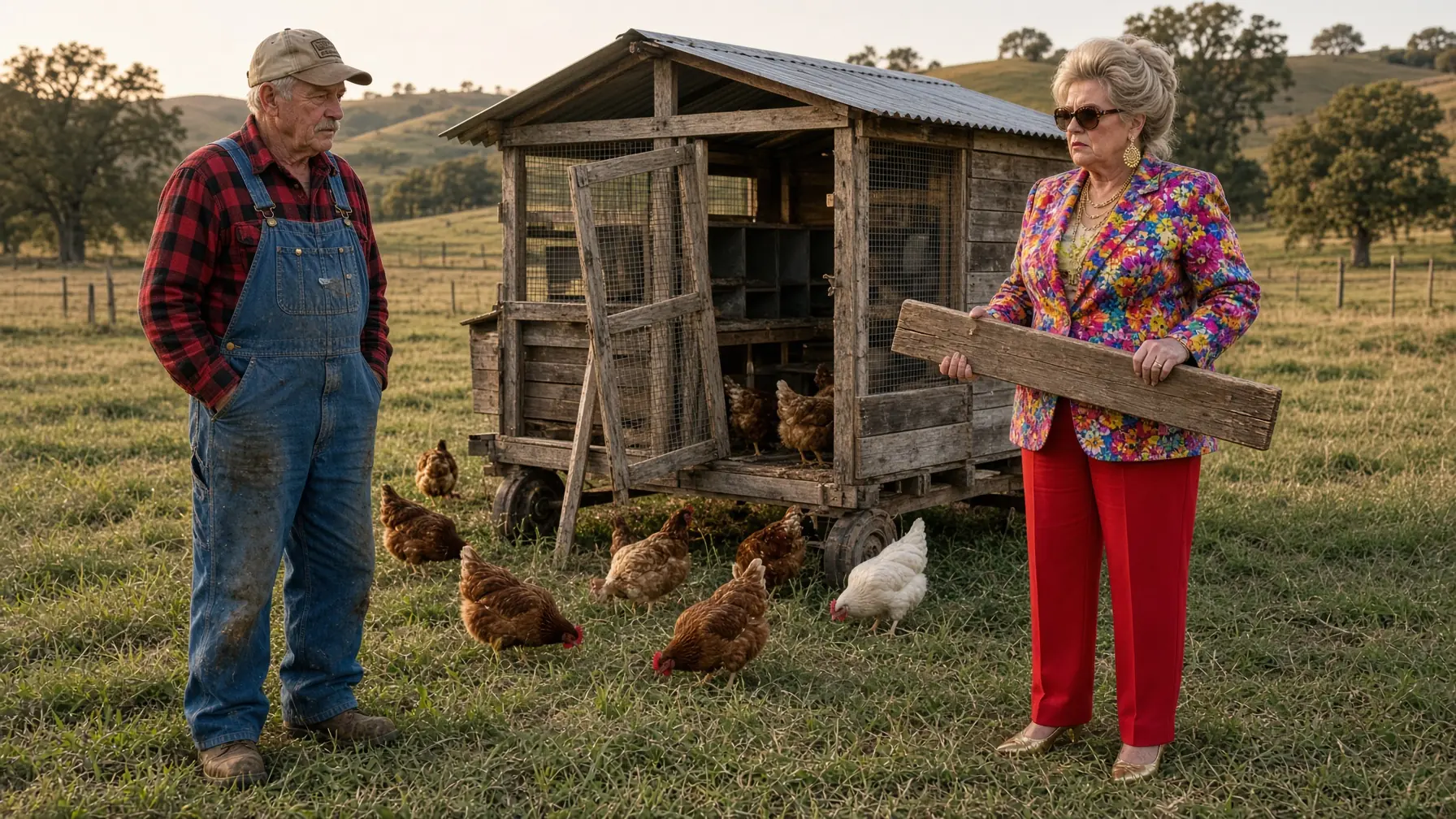
The HOA Woman Smashed His Chicken Coop — Then the Old Farmer Came Running

Three Thugs Shoved the Old Mechanic — Then He Stepped Between Them and the Fighter
Six Men Surrounded the Old Biker — Then One Stranger Stepped Out of His Truck
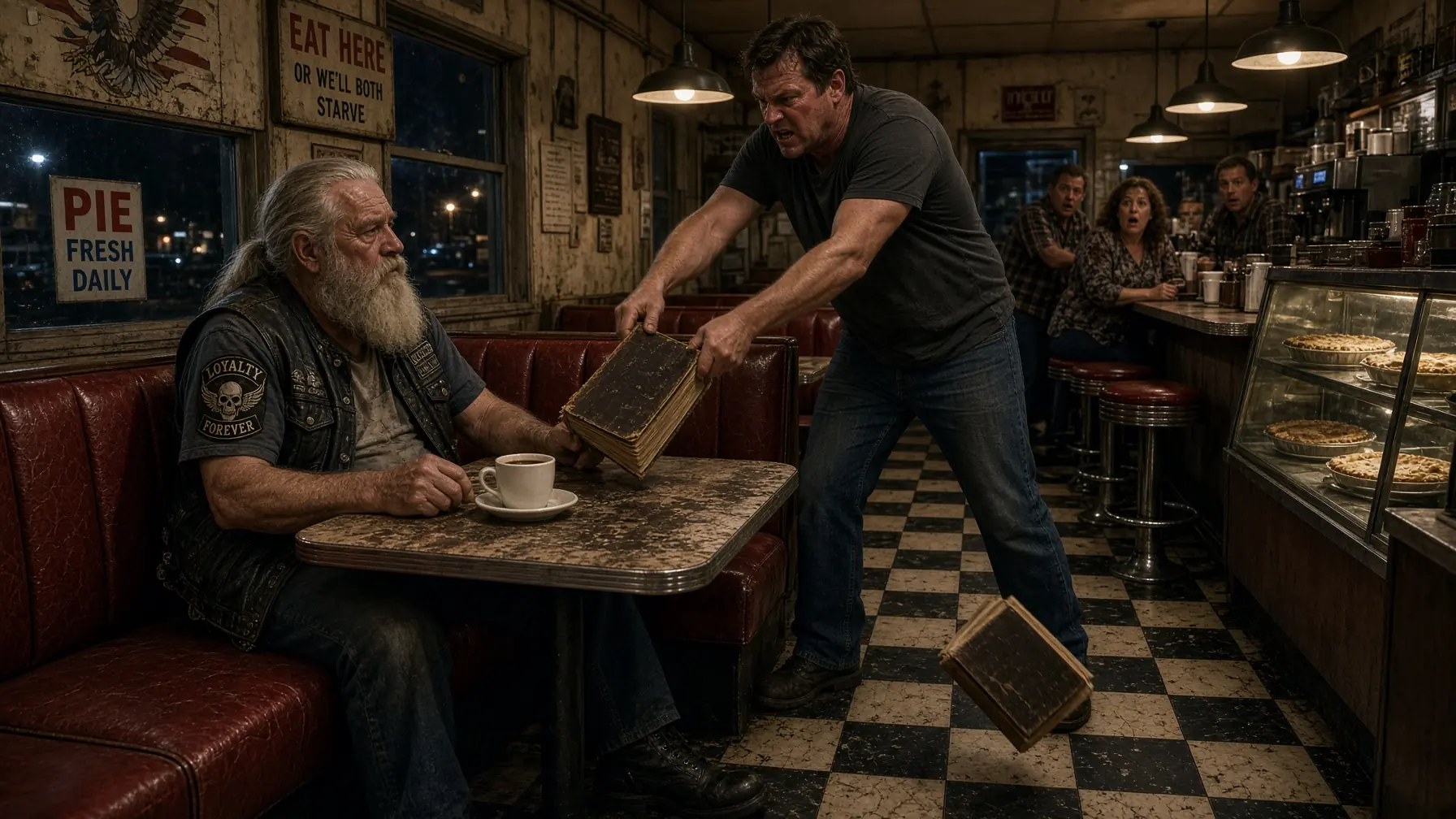
They Slammed the Old Biker to the Floor — Then the Room Heard His Name
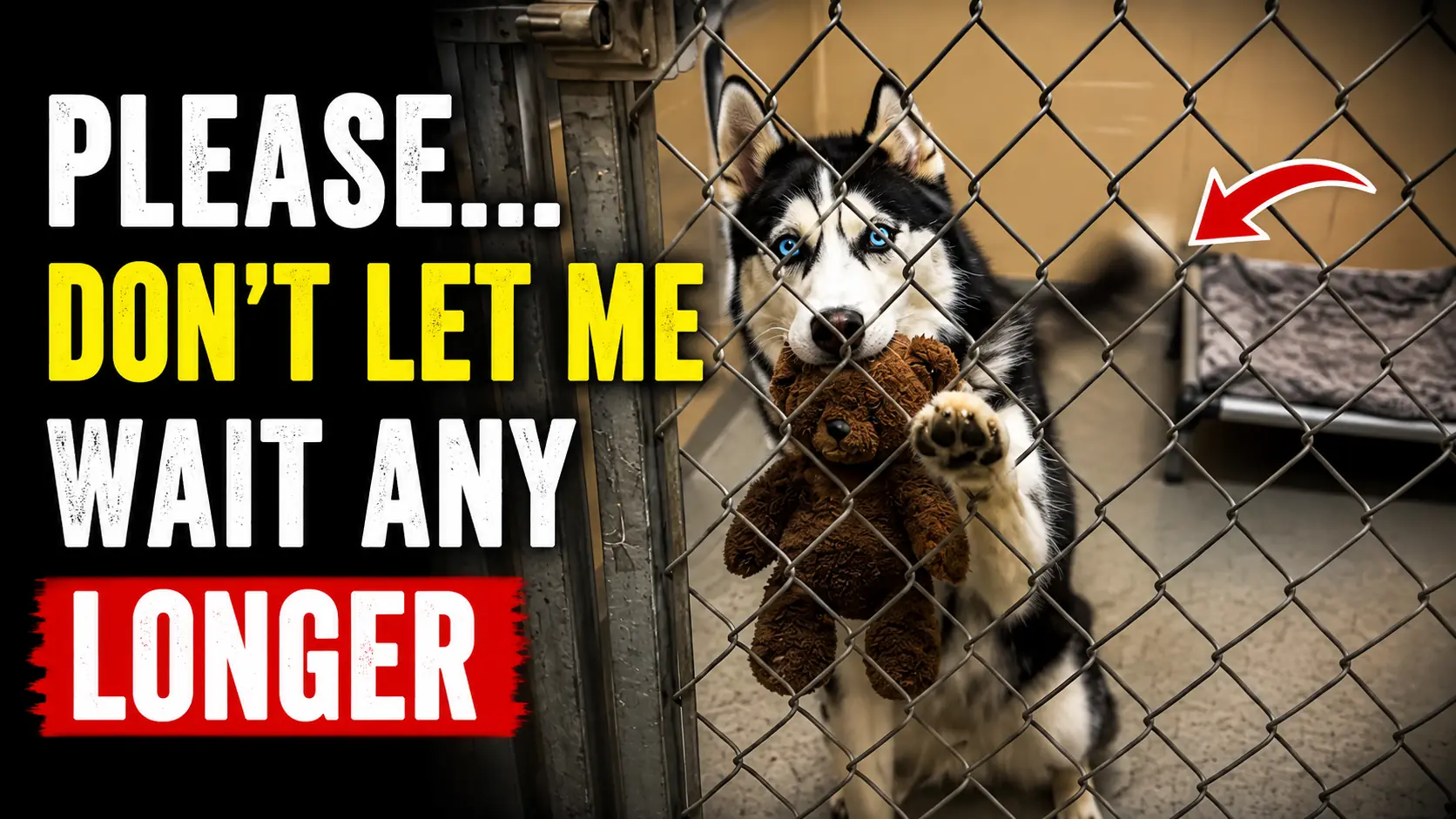
Max and Shadow’s Recovery After Waiting Together for Their Owner
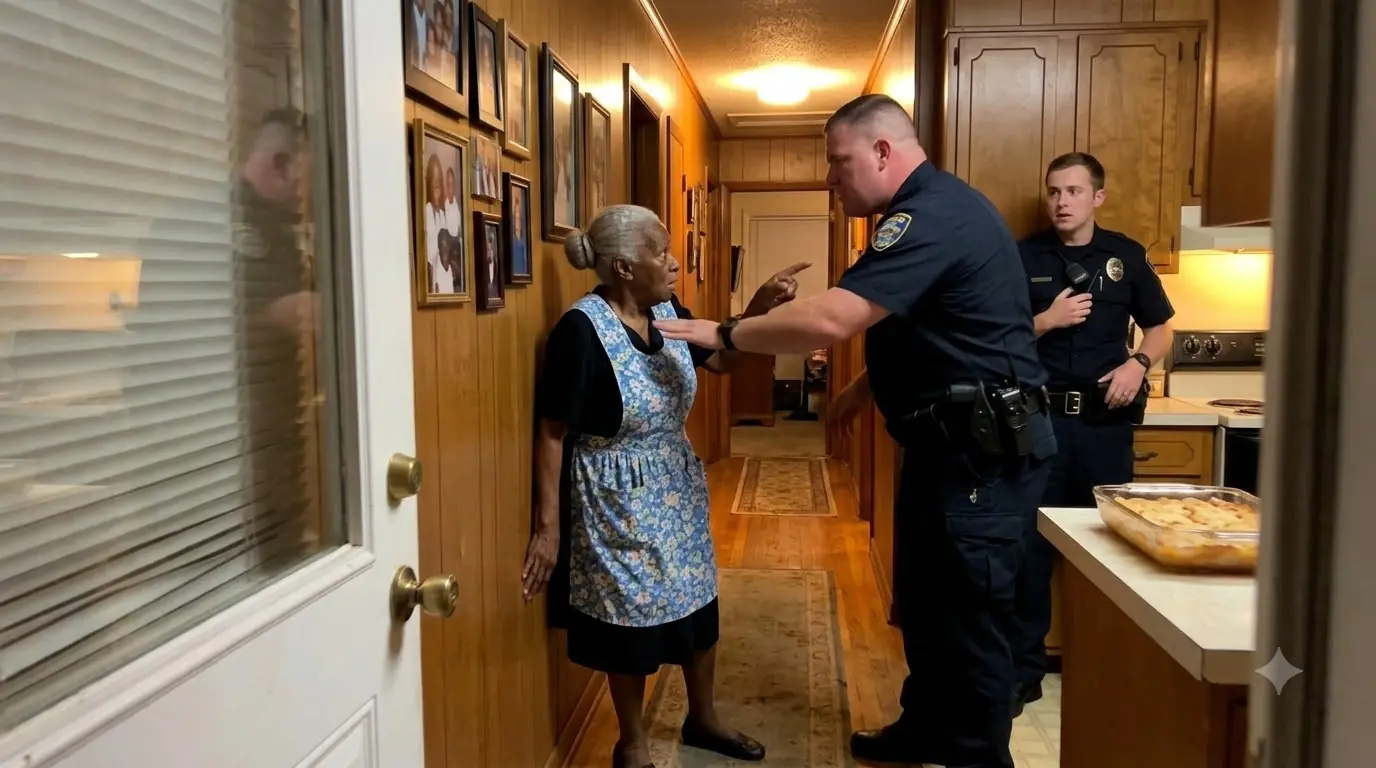
Two Cops Stormed Into Her House — Then Someone Hit the Front Porch
The Officer Dragged the Elderly Woman Toward His Patrol Car — Then Someone Started Recording
Koda’s Journey After Waiting for a Family at the Shelter
They Started Towing His Work Truck — Then the Owner Came Running Out

Black CEO Enters His Daughter’s School Cafeteria — What He Hears Makes Him Freeze Instantly

Martial Artist Mocked a Quiet Black Woman in Front of 600 People — Until Her True Skill Left Him Stunned

The Officer Dragged Him Out of the Gala — Then the Entire Room Went Silent
The Black Belt Shoved the Old Man — Then He Stepped Onto the Mat
She Tried a “Master Key” on His Truck — Then the Owner Walked Outside
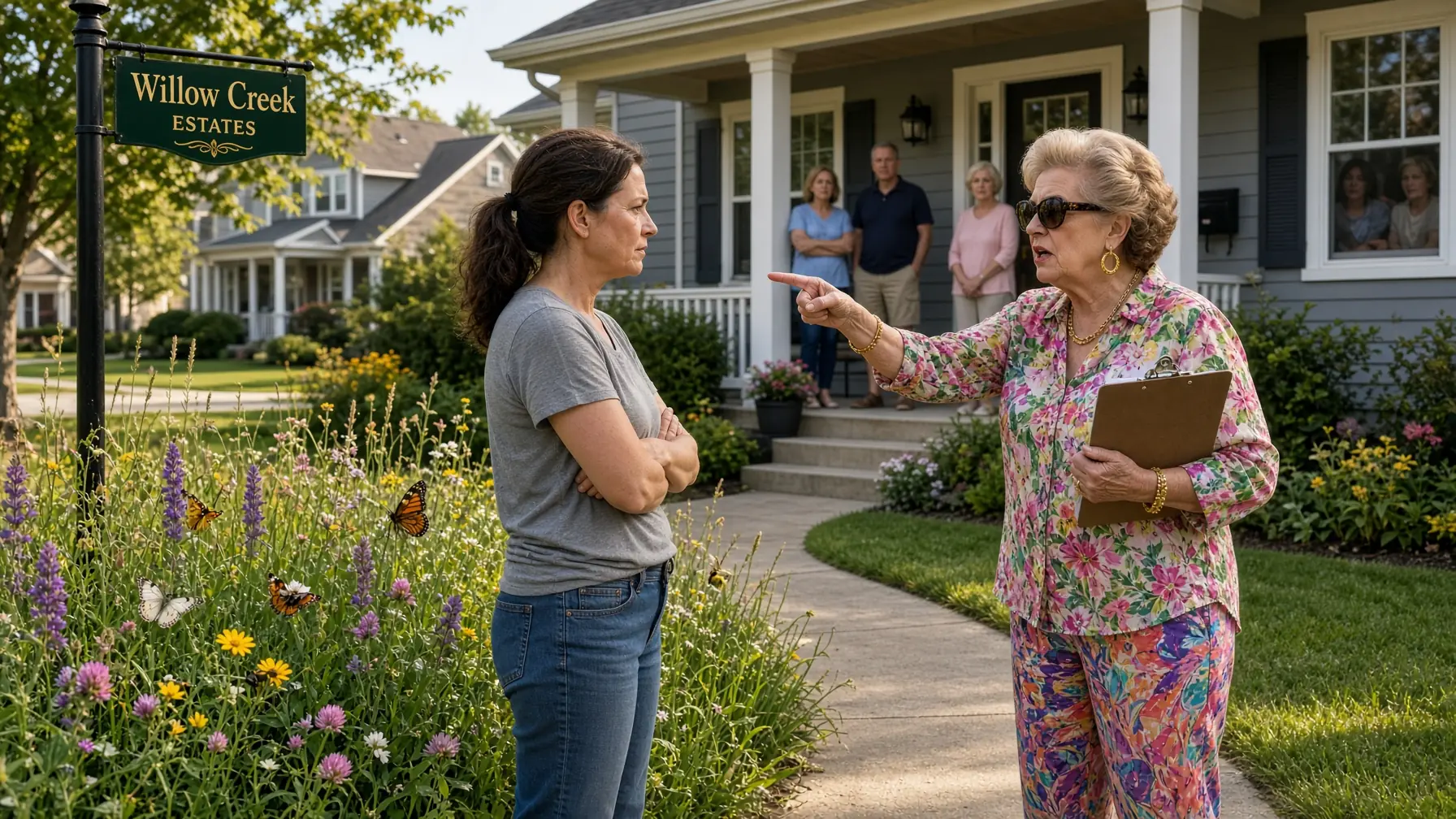
The Old HOA Lady Called Her Yard a Disaster — Then a State Vehicle Pulled Up
Boxer Dares a Black Janitor to Evade His Punch — Seconds Later, He Learns He Once Ruled the Ring

NEXT VIDEO: A Cocky MMA Fighter Bet an Old Farmer $500 He Couldn't Last 3 Minutes — Biggest Mistake of His Life