Poor Single Dad Helped an Old Man Every Morning — Then His Lawyers Walked In With Four Bodyguards
Reader Theme:
Font Size:
24px
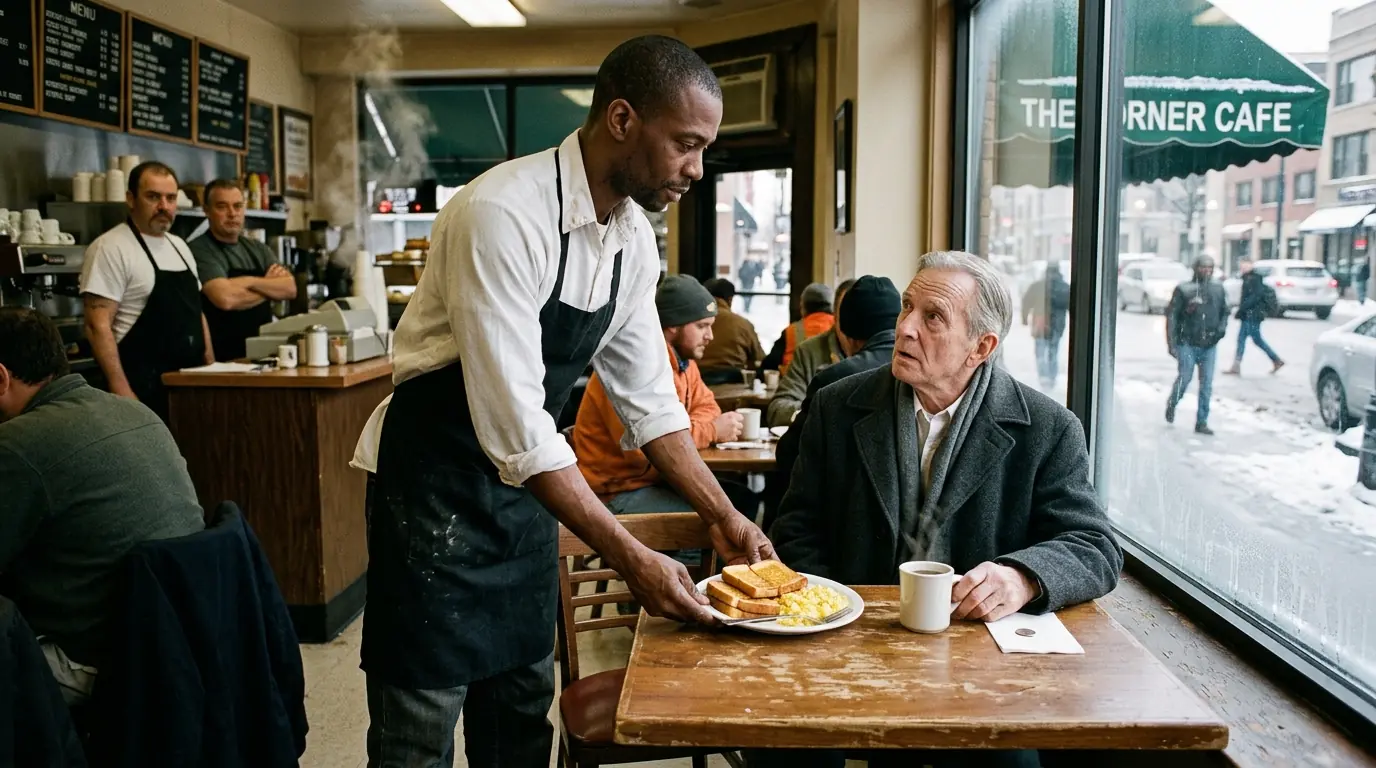
A Black waiter had been working nonstop since five in the morning, hoping to earn enough money to buy medicine for his asthmatic son and extend the rent on their apartment for just a few more days.
Then a grumpy old man walked into the cafe.
The moment customers saw him, they lowered their eyes. The staff groaned under their breath. Nobody wanted his table because everyone knew Richard Lancaster was difficult.
He rarely smiled.
He rarely said thank you.
He sent coffee back if it was too cold, toast back if it was too hard, eggs back if they were not exactly the way he liked them.
To most people inside Street Cafe, he was just a bitter old man with a sharp face and a colder voice.
But Marcus Rodriguez noticed something the others did not.
He noticed the tremor in Richard’s hand when the old man reached for his fork.
He noticed the lonely way Richard stared out the window before touching his food.
He noticed the stiffness in his shoulders, the careful way he sat down, and the quiet sadness hiding behind the grumpy expression everyone else mocked.
So Marcus served him anyway.
Every morning.
Warmly.
Patiently.
Carefully.
He remembered how Richard liked his coffee. He remembered which table he preferred. He remembered that Richard liked his toast cut neatly into four small squares because his fingers did not always obey him anymore.
Over time, the two men formed a bond without ever naming it.
Then one day, Richard did not come to the cafe.
The corner table stayed empty.
The toast went cold.
And instead of the old man in the heavy coat, two men in black suits walked through the door.
What they told Marcus next would change his life forever.
The morning began before the sun even thought about rising.
A faint gray light hovered far out on the horizon, not bright enough to be called dawn, only a quiet warning that night would soon have to give up its place.
The street outside Street Cafe was almost empty. A few trash cans stood along the curb. A faulty street lamp blinked in an uneven rhythm. Cold air moved through the block and slipped under jackets, the kind of cold that seemed to find the spine no matter how tightly a man wrapped himself.
Marcus Rodriguez stepped out of his old sedan with a slow exhale.
His breath drifted upward in a pale ribbon.
He rubbed his eyes once, then again, trying to push sleep back into his skull. His hands still hurt from holding the steering wheel too tightly on the drive over. He had not noticed until now.
It had been another broken night.
Sam had woken up coughing around one in the morning, wheezing in that familiar, terrifying way that made Marcus’s whole body go still.
Marcus had sat on the edge of his son’s small bed for nearly an hour, rubbing his back and waiting for the inhaler to ease the tightness in his chest. When Sam finally relaxed into sleep, Marcus stayed a few minutes longer just to make sure the breathing stayed steady.
Then he had gone back to his own bed and stared at the ceiling until the alarm rang at 4:45.
He had not slept.
Not really.
He had only rehearsed numbers in the dark.
Rent.
Groceries.
Gas.
Sam’s inhaler refills.
The overdue electric bill.
Every number had a weight, and all of them sat on Marcus’s chest before he even left the apartment.
He pulled his jacket tighter and walked toward Street Cafe, the place he had unlocked six mornings a week for three years.
From the outside, the cafe looked like something left behind by a better decade. A weathered green awning hung above the entrance. Paint chipped around the window frames. The neon sign buzzed in the glass, flickering so badly that sometimes the “T” disappeared and the place looked like it was simply called Sreet Cafe.
Marcus often thought the cafe was both a prison and a shelter.
It trapped him with low pay and long hours.
But without it, he could not keep Sam fed, clothed, housed, and breathing.
He reached the door, pulled out his keyring, and searched through the jumble of keys that never seemed to stay in the same order. His fingers were stiff from the cold. The lock clicked on the third try.
Inside, the cafe greeted him with its usual mix of smells.
Old coffee grounds.
A lingering note of frying oil from the day before.
The metallic scent of a griddle that had seen thousands of breakfasts.
It was not pleasant exactly, but it was familiar. Like an aging relative whose quirks you tolerated because they had always been there.
Marcus hung his jacket on the hook near the office door, rolled up his sleeves, and got to work.
First came the chairs.
He lowered them from the tabletops one by one. The scrape of wooden legs against tile echoed softly through the empty room. Then he filled the coffee machine with fresh grounds, patting the side of it like it was a stubborn dog.
The machine groaned as it started, released a hiss of steam, then settled into a rough rumble.
“Don’t act up on me today,” Marcus muttered. “We’ve got enough problems.”
It was a quiet joke, the kind a man made to appliances in empty rooms so the mornings did not feel quite so lonely.
The coffee machine did not answer.
But it behaved.
The first drops of dark liquid fell into the pot.
As Marcus wiped down the counter, his mind went back to the numbers.
Twenty-two hundred a month.
Three hundred eighty short almost every month.
He pressed a hand to his forehead and closed his eyes for one second.
The exhaustion sat heavy in his chest, a weight that refused to move no matter how he shifted.
But there was no time for that.
The clock read 5:27.
The doors opened at 5:30.
Marcus took a breath, smoothed his apron, and unlocked the front door.
The click echoed through the quiet room.
A cold draft swept in, carrying the distant sound of a bus engine and the smell of wet pavement.
Within minutes, the first customers arrived.
Two construction workers in thick jackets stepped inside, their boots leaving small trails of dirt on the floor. They nodded at Marcus. He greeted them with a tired but genuine smile, poured two coffees, and listened to the slow rhythm of the cafe waking up.
By six, the room felt warmer.
The smell of bacon rose from the griddle. Pancakes browned slowly. Mugs clinked. Forks scraped plates. Marcus moved from table to table, taking orders, refilling coffee, wiping spills, and barely pausing long enough to scratch his nose.
His coworkers, Tony and Peter, drifted in after the worst of the opening work was done.
Tony arrived with a dramatic yawn, tying his apron like a man preparing for a stage show.
“Morning, sunshine,” he said. “Looks like you already got a crowd.”
“Same as always,” Marcus said, sliding plates to a table.
Peter came from the back, chewing the last bite of a pastry he had grabbed before it cooled.
“Hey, man,” Peter said, tapping Marcus on the shoulder. “Your grill’s running hot.”
Marcus glanced over. The bacon was darker than usual.
“I’ll adjust it. Thanks.”
Neither Tony nor Peter helped with the difficult tables unless they absolutely had to. If a customer snapped fingers, complained loudly, or looked like trouble, both of them suddenly found urgent work in the back.
So Marcus took the tables no one else wanted.
At 7:15, the door chimed again.
The sound seemed sharper this time, as if even the bell recognized who had entered.
Marcus did not need to look up.
Richard Lancaster had arrived.
He came at exactly 7:15 every morning.
Not 7:14.
Not 7:16.
Always 7:15.
He was an older white man with gray hair combed back, a stiff walk, and a long coat that looked one size too heavy for his frame. He carried himself with the severe posture of someone used to being obeyed or avoided.
Most people in the cafe saw him and turned away.
Tony nudged Marcus with his elbow.
“You want to grab his order? He’s looking extra cranky today.”
“He always looks like that,” Peter muttered. “Probably born with that expression.”
Marcus wiped his hands on his apron.
“I’ve got it.”
Richard walked to the corner table near the window, the one with the chipped edge and the uneven leg that wobbled if you leaned too hard.
Marcus approached with a glass of water.
“Good morning,” he said. “Your usual today?”
Richard barely lifted his eyes.
“If I said no, would you believe me?”
Marcus cracked a small smile.
“Probably not.”
Richard huffed.
Not quite a laugh.
Not quite a sigh.
Then he gave a short nod.
That was as much permission as anyone ever got from him.
Marcus headed to the kitchen and called out the order. While he waited, his eyes drifted to the clock.
He needed to leave by two.
He always did.
And he always felt guilty about the rush across town to get Sam from school on time. But there was no other choice. The babysitter could only help so much. Sam needed him. And Marcus had already learned that the world did not bend for single fathers who were short on money.
When the food was ready, Marcus slid the hot plate onto his arm and brought it to Richard’s table.
The sunlight had shifted, making Richard’s face look softer than usual.
Richard reached for his knife to cut his toast.
Marcus noticed the tremor.
It was small.
Barely there.
A faint quiver in the fingers.
Richard paused, stiffened his hand, and tried again. It took two attempts to cut one slice of bread.
Marcus did not say anything.
But something tightened inside his chest.
As the morning continued, the scene replayed in little ways.
Richard quietly eating.
Marcus quietly working.
Tony and Peter joking near the register.
The cafe humming with the sounds of dishes, food, and conversation.
But Marcus kept glancing at Richard’s hands.
By eight, Richard folded his newspaper in the precise way he always did, placed it beside the plate, and reached into his pocket.
Marcus came over to clear the table.
Then he saw it.
A single coin.
A quarter.
It sat neatly in the center of the napkin, placed with such care that it felt deliberate, like a small message.
Marcus looked at it for a moment.
Then he slipped it gently into his pocket.
He did not smile exactly.
But something warm moved through him.
“Thanks, Mr. Lancaster,” he whispered.
The days followed the same rhythm.
Early mornings.
Construction workers.
The city waking slowly.
Bills pressing against Marcus’s ribs.
Tony’s jokes.
Peter’s complaints.
The old coffee machine rattling like it wanted retirement.
And every morning at 7:15, Richard Lancaster walked through the door.
Week after week, Marcus noticed the changes in the old man.
The stiffness in his shoulders.
The slower way he sat down.
The care with which he held utensils.
It was not dramatic.
It was subtle enough that Tony and Peter never saw it.
But Marcus did.
Maybe because he had watched his own father age the same way.
Hands that once could fix anything slowly losing their certainty.
Movements becoming smaller.
Pride growing sharper because the body was becoming less dependable.
One morning, after watching Richard struggle longer than usual to cut his toast, Marcus made a decision.
The next day, he prepared Richard’s plate in the back.
Before bringing it out, Marcus took the knife and cut the toast into four neat squares.
Perfect squares.
Small enough to lift easily.
He said nothing when he placed the plate on the table.
Richard stared at it.
His eyes moved from the toast to Marcus, then back to the plate.
“You cut it,” he said.
“Figured it might be easier today,” Marcus replied gently.
Richard did not answer.
Marcus did not wait for one.
He simply nodded and moved to another table.
It became a ritual after that.
Each morning, Marcus cut the toast before being asked.
And each morning, Richard left a coin.
Sometimes a quarter.
Sometimes a dime.
Once, a silver dollar that looked older than both of them.
It was never about the money.
It was about intention.
A quiet thank you spoken by a man who seemed to have forgotten how to say one aloud.
One Tuesday morning, Tony leaned over while Marcus wiped the counter.
“You know you don’t have to do all that for him,” Tony said. “He doesn’t tip big. Barely talks. Waste of time if you ask me.”
Marcus shrugged.
“It helps him. Doesn’t take much effort.”
Peter snorted.
“Man, you got a bleeding heart. That old guy won’t remember your name in six months.”
Marcus did not respond.
His eyes drifted to the corner table where Richard sat, shoulders slightly hunched, staring out the window with an expression that looked less grumpy and more tired.
If that were Dad, Marcus thought, I’d hope someone would help him too.
The memory came before he could stop it.
His father at the kitchen table late at night, rubbing his hands together like he was trying to warm them from the inside. The old lamp casting yellow light across his face. Marcus, twelve years old, watching from the hallway.
“Just stiff today,” his father had whispered, though nobody had asked.
The image faded.
The next morning, when Marcus set the cut toast in front of Richard, the old man’s eyes softened in a way Marcus did not yet understand.
The coin left behind that day was placed carefully on the crease of the napkin, as if Richard wanted to make sure Marcus would see it.
One morning, snow began to fall outside.
Tiny flakes tapped against the cafe window as the sun rose behind thick clouds. Inside, the room felt warmer than usual, thick with steam from the coffee machine and the griddle.
Richard arrived with a wool hat pulled low over his ears. He removed it slowly, brushed snow from his coat, and sat down.
When Marcus delivered the plate, Richard surprised him by speaking first.
“You always cut it the same way.”
Marcus blinked.
“I try to. Is it okay?”
Richard slid one square closer and lifted it with a shaky hand.
“It is.”
Silence stretched between them.
Not awkward.
Not cold.
Just still.
Richard looked up.
“Nobody else does that.”
Marcus gave a small shrug.
“People deserve help when they need it.”
Another pause.
Then Richard said, very softly, “Thank you.”
The words were so unexpected that Marcus did not respond at first.
He only nodded, pressed his hand flat on the table, and moved away.
Later, while wiping the counter, Marcus felt his throat tighten.
It was not about the toast.
It was not about the coin.
It was the realization that this tiny kindness mattered to someone who did not seem to matter to anyone else.
And maybe, in a way Marcus did not fully understand, it mattered to him too.
After that, the days felt different.
Richard still arrived at 7:15.
Marcus still cut the toast.
The coin still appeared.
But there was now a quiet understanding between them, a bond formed not through conversation, but through routine and care.
Life outside the cafe did not get easier.
The bills kept coming.
The bank account grew thinner.
Sam’s asthma worsened whenever the weather turned cold.
Some nights, Marcus sat at the small kitchen table staring at overdue notices until his eyes stung.
But Richard’s soft thank you stayed with him.
One early morning, while unlocking the cafe, Marcus felt a sudden wave of fear pass through him. He pictured Sam struggling to breathe. He pictured medical bills growing. He pictured the apartment slipping away.
He pressed his palm against the cold metal door.
One more day, he thought.
Just get through today.
When Richard arrived later that morning, Marcus greeted him with more warmth than usual.
“Cold morning,” Richard said, his voice low.
“It is,” Marcus replied. “I’ll bring your coffee first. It’s freezing out.”
Richard gave a faint nod.
As the cafe filled with noise and warmth, Marcus moved through the morning in steady rhythms.
He did not realize that this routine, this small quiet kindness, had already begun changing the course of his life.
When he cleared Richard’s table that day, he found not one coin, but two.
Marcus held them in his palm, letting the cool metal warm against his skin.
He slipped them into his pocket and whispered, “We all do what we can.”
Outside, snow drifted gently.
Quietly.
Like a blessing no one asked for, but received anyway.
The next week arrived with mornings so cold the sidewalks looked glazed at dawn, as if the whole city had been painted in frost overnight.
Marcus stepped out of his car on Wednesday, zipped his jacket, and walked toward the flickering neon of Street Cafe.
Inside, warmth surrounded him.
The hiss of old vents.
The drip of the coffee machine.
The faint smell of detergent from the previous night’s cleaning.
Marcus rubbed his hands together, feeling life return to his fingers.
He was more tired than usual.
Sam had woken twice in the night, coughing so hard the sound echoed through the apartment like a weak whistle. Marcus had given him the inhaler, rubbed his back, and waited until every breath sounded less tight.
After Sam fell asleep, Marcus stayed beside the bed longer than necessary.
I need better insurance.
I need a better job.
I need more hours.
I need something.
But morning came anyway.
The world needed him before he could figure out how to save himself.
By the time the doors opened at 5:30, the coffee was brewing, plates were warming, and chairs were arranged. Marcus took comfort in routine. It gave his mind something steady to hold.
Tony arrived at 5:55, yawning dramatically. Peter stumbled in at 6:05 with his jacket half-zipped and a pastry already halfway eaten.
“Rough night?” Marcus asked.
“Stayed up watching that crime show,” Peter said. “You should see the ending of season three.”
“Can’t,” Marcus replied. “I’m asleep by nine most nights.”
Tony shook his head.
“Your life is depressing.”
Marcus did not answer.
He slid a plate of eggs to a waiting customer and kept moving.
At 7:15, the door chimed.
Richard stepped inside.
His coat looked heavier than usual, and he moved more slowly, but his eyes had more clarity that morning. He nodded once toward Marcus before walking to his corner table.
Marcus felt a faint warmth in his chest.
Seeing Richard had begun to feel like a reassurance.
Something steady in a life full of things that could vanish.
Marcus carried over the plate, toast already cut neatly into squares, and set it gently in front of him.
“Morning.”
Richard looked at the plate, then at Marcus.
“You cut it smaller today.”
“I noticed you had trouble yesterday,” Marcus said softly.
Richard studied him.
“You notice a lot.”
“Sometimes.”
“Why?”
Marcus shrugged.
“Just want to make mornings easier.”
Richard’s hands rested beside the fork, fingers slightly curled.
“Not many people do that anymore.”
“Do what?”
“Notice.”
The word carried more weight than its size.
Marcus did not know how to respond.
Richard picked up his fork.
“Thank you.”
After a moment, Marcus nodded and returned to work.
But the rest of the morning carried a different feeling, like someone had cracked open a door and let in a little sunlight.
A few days later, after Marcus delivered Richard’s plate, the old man cleared his throat.
“Your son,” Richard said. “Sam, is it?”
Marcus blinked.
“Yes. Sam.”
“He’s seven?”
“Seven and a half,” Marcus said with a slight laugh. “He’d correct you on that.”
Richard let out a soft breath, almost a laugh.
“Does he still like superheroes?”
A jolt went through Marcus.
“How did you—”
“You mentioned it once,” Richard said. “Something about him drawing you as one.”
Marcus looked down at his hand, surprised Richard had remembered.
“Yeah. He draws me wearing a cape. I keep telling him I’m just a regular guy.”
“Most superheroes are,” Richard said, eyes lowered. “Regular people who keep going.”
The words hit Marcus deeper than expected.
“Must be hard,” Richard added. “Working these hours. Raising him alone.”
“It is sometimes,” Marcus admitted. “But he’s my kid. I’d do anything for him.”
Richard nodded slowly.
“That’s clear.”
Then he looked up fully, and his voice cracked just slightly.
“You’re a good father.”
Marcus felt his breath catch.
His chest tightened in a way that was not painful, only too strong to ignore.
He had not heard those words in years.
Maybe never.
Jessica had said many things before she left, but never that.
Marcus turned slightly so Tony and Peter would not see him blink too fast.
“Well,” he said, throat rough, “thanks.”
Richard did not speak again for several minutes.
He only ate quietly, his shoulders more relaxed than usual.
But those four words followed Marcus the whole day.
They followed him home into the kitchen while he boiled pasta for dinner.
They followed him into Sam’s small bedroom while the boy colored a dragon breathing blue flames.
They echoed when Marcus tucked the inhaler under Sam’s pillow, just in case.
They echoed again when he sat alone at the kitchen table folding bills he could not pay.
You’re a good father.
He repeated the words silently until sleep finally found him.
On Saturday morning, the sky was pale blue and crisp with the coming winter.
Marcus’s phone buzzed at 5:08 a.m.
A message from the babysitter.
Sorry, Marcus. I’m sick. Can’t watch Sam today.
He stared at the message, panic tightening in his stomach.
Saturdays were busy.
He could not miss work.
He could not leave Sam alone.
And at that hour, there was no one else to call.
Marcus looked through the doorway of Sam’s room. The boy was sleeping with his blanket twisted around his legs, one hand resting on a half-colored picture of Spider-Man.
Marcus sighed softly.
“All right, buddy,” he whispered. “Looks like you’re coming with me.”
He slipped Sam’s coat on carefully, trying not to wake him too suddenly. Sam blinked awake in the car, rubbing his eyes.
“We going to the cafe?”
“Yeah,” Marcus said. “Just for today. Bring your coloring book.”
Sam nodded, too tired to question it.
When they entered the cafe, the lights came on with a warm glow. Sam climbed onto a stool at the counter and yawned. Marcus steamed a small cup of warm milk for him — Sam’s version of coffee — and set it in front of him.
“Stay where I can see you,” Marcus said.
“I will,” Sam promised, already pulling out crayons.
Tony arrived soon after and raised his eyebrows.
“What’s the kid doing here?”
“Babysitter canceled,” Marcus said. “I didn’t have a choice.”
Tony sighed.
“Just keep him out of the way. Boss will freak if anything gets broken.”
Heat rose in Marcus’s face, but he kept his voice even.
“He’ll be fine.”
Peter entered and gave Sam a small wave.
“Morning, champ.”
Sam smiled shyly.
“Hi, Mr. Peter.”
At 7:07, Marcus began preparing Richard’s corner table.
Silverware.
Napkin.
Water.
Coffee cup.
At 7:15, exactly, the door chimed.
Richard stepped inside, brushing a few leaves from his coat. He took two steps and stopped.
His eyes drifted toward the counter, where Sam sat coloring Spider-Man bright blue instead of red.
Richard blinked.
Once.
Then again.
As if something inside him had shifted.
Marcus approached carefully.
“Morning, Mr. Lancaster.”
Richard nodded, but his gaze returned to Sam.
“Your boy?”
“Yeah,” Marcus said. “Babysitter canceled. He’ll keep to himself.”
Richard did not answer.
He only watched Sam a moment longer.
Then, instead of going to his usual corner table, he walked toward the counter.
Sam looked up as the older man approached.
“May I?” Richard asked, motioning to the seat beside him.
Sam nodded.
“Sure.”
Richard sat slowly and placed his hat on the counter.
He pointed at the drawing.
“Spider-Man looks different.”
Sam giggled.
“I wanted to make him special.”
“I see,” Richard said softly.
Marcus stood frozen for a moment, unsure whether to step in. But Sam looked comfortable, and Richard looked almost peaceful.
So Marcus returned to the kitchen, watching carefully.
Sam flipped the page and showed Richard another drawing.
It was a man in a cape lifting a car with one hand.
“That’s my dad,” Sam said proudly. “He’s a superhero.”
Marcus heard it from a few feet away and felt his breath hitch.
Richard leaned forward and studied the drawing seriously, as if examining a museum piece.
“He must be very strong,” Richard said.
“He is,” Sam said. “He works a lot, but he always comes home. And he makes pasta better than anyone.”
Richard’s mouth twitched.
Almost a smile.
A real one.
Marcus swallowed hard and pretended to check the griddle.
For nearly two hours, something extraordinary happened at that counter.
Richard Lancaster, who barely spoke to anyone, asked Sam about school, superheroes, dragons, and what he wanted to be when he grew up. Sam answered every question with the bright, unfiltered certainty of a child who had not yet learned to hide joy.
Then Sam asked a question that changed the air.
“Did you ever have kids?”
A shadow crossed Richard’s face.
His fingers curled.
“Yes,” he said quietly. “I had a son. And a grandson.”
Sam waited.
“They’re gone now,” Richard added.
His voice was barely above a whisper.
Sam reached out and touched Richard’s sleeve.
“I’m sorry.”
Richard blinked hard.
The kindness in that small gesture, pure and unplanned, softened him in a way Marcus had never seen.
“You’re a good boy,” Richard said. “A very good boy.”
Marcus leaned against the kitchen doorway, eyes stinging.
Before leaving that morning, Richard placed a light hand on Sam’s shoulder.
“Would you like to learn a game next week?”
Sam’s eyes lit up.
“What game?”
“Chess.”
“Really?”
“Really,” Richard said. “I’ll bring my set.”
Monday arrived beneath a heavy sky.
The clouds hung low and swollen, making morning darker than usual. On the drive to the cafe, Sam sat in the back seat with a chess book open on his lap, humming quietly.
Marcus felt a strange mix of pride and worry.
“Dad,” Sam asked, “do you think Mr. Richard will teach me today?”
“He said he would,” Marcus answered gently.
They entered the cafe together.
Marcus set Sam at the same small table and started preparing Richard’s usual plate.
Toast cut into perfect squares.
Bacon still steaming.
Coffee ready.
7:15 approached.
Marcus kept glancing at the door.
The minute passed.
“Maybe he’s late,” Sam said quietly.
Marcus nodded, though something tightened inside him.
“Maybe.”
By 7:30, Marcus reheated the plate once.
By eight, the food had gone cold again.
Sam kept looking at the door, small hands folded on the table.
“Dad, is he coming?”
“He might be busy.”
8:10.
No Richard.
No coin.
The corner table stayed empty.
The chair stayed perfectly still.
Marcus cleared the cold plate slowly, feeling its weight in his hands.
He knelt beside Sam.
“Hey, buddy. We might not see him today.”
Sam’s voice softened.
“But he promised.”
Marcus rubbed his shoulder.
“Sometimes things happen that we don’t expect.”
Sam nodded, but his eyes dropped to the chess book.
He did not say another word.
Marcus stared at the empty corner.
Something was wrong.
He could feel it.
He simply did not know how wrong yet.
The cafe felt quieter than usual for the rest of the morning.
Customers filled tables. Coffee poured. Plates moved. Orders came and went. But the emptiness of one chair seemed to carve a hollow space into the room.
Every time the door chimed, Marcus’s heart lifted.
Every time, it was someone else.
Tony wiped a nearby table.
“Still no sign of the old guy?”
“No,” Marcus said.
“Maybe he finally took a vacation.”
Marcus shot him a look.
“He’s not that type.”
Peter stacked plates near the dishwasher.
“People skip a day sometimes. Doesn’t mean anything.”
But it did.
Marcus felt it in his bones.
Around nine, the cafe finally quieted.
Marcus crouched beside Sam again.
“Maybe we’ll see him tomorrow.”
Sam traced the outline of a pawn in the chess book.
The door chime rang behind them.
Marcus stood quickly, hope rising despite himself.
It was not Richard.
Four men in dark suits entered the cafe.
They did not belong in a place of scuffed floors, chipped booths, and handwritten specials. Their polished shoes, crisp collars, and black coats made them look like they had stepped out of a courthouse hallway.
Behind them walked an older man in a tailored gray suit carrying a leather briefcase. His silver hair was combed back with careful precision. His eyes were sharp and searching.
The cafe went quiet.
Tony whispered to Peter, “Are we getting audited?”
“No idea,” Peter whispered back.
The man stepped forward.
“Excuse me,” he said calmly. “Is there a Mr. Marcus Rodriguez here?”
Marcus felt his stomach drop.
“That’s me,” he said cautiously. “Can I help you?”
The man nodded.
“My name is Philip Anderson. I’m an attorney. I need to speak with you privately, if possible.”
Marcus stiffened.
His first thought was debt.
Some bill.
Some missed payment.
Something he had forgotten until it had grown teeth.
“Is something wrong?”
Anderson’s expression softened.
“Yes,” he said. “I’m afraid there is.”
The room seemed to tilt.
“To avoid speculation,” Anderson continued, “we should step aside.”
Sam stepped forward and grabbed the edge of Marcus’s apron.
Marcus swallowed.
“My son can stay.”
Anderson studied the boy, then nodded.
“Of course.”
They moved to a quiet booth near the back.
The four suited men remained by the entrance like a silent wall.
Marcus sat on one side of the booth. Sam pressed close beside him, legs dangling. Anderson sat across from them and placed the briefcase gently on the table.
Marcus heard his heartbeat in his ears.
Anderson opened the briefcase with a soft click and removed a folder.
“I apologize for coming unannounced,” he said. “This matter is urgent and sensitive.”
Marcus nodded slowly.
Anderson folded his hands.
“Mr. Rodriguez, I’m very sorry to inform you that Richard Lancaster passed away yesterday evening.”
Marcus froze.
For a moment, he heard nothing.
Not the griddle.
Not the dishes.
Not the murmur of the cafe.
Only silence.
“What?”
“Mr. Lancaster passed away Sunday night,” Anderson said gently.
The words sank like stones into deep water.
Sam looked up at Marcus, waiting for him to explain.
“But he was fine,” Marcus whispered. “He was here on Saturday. He was talking. He was laughing.”
“I understand,” Anderson said. “According to the medical report, he suffered a cardiac event at home. It was quick.”
Marcus’s breath caught.
He saw Richard’s trembling hands.
Richard studying Sam’s drawing.
Richard’s rare smile.
Richard’s promise.
Chess.
Sam’s voice broke through.
“So he can’t come back?”
Marcus pulled him close, pressing one hand to the back of his son’s head.
Anderson’s voice softened further.
“I’m afraid not.”
Marcus closed his eyes.
His throat burned.
His hands shook.
Grief rose suddenly, confusing in its force. He had known Richard for months, but in quiet ways. They had not shared holidays or long conversations. They were not friends in the traditional sense.
But something real had lived between them.
Something built through routine.
Attention.
Toast cut into squares.
Coins left on napkins.
A soft thank you.
And now it was gone.
Sam trembled against him.
“But he said he’d teach me chess.”
“I know, buddy,” Marcus whispered. “I know.”
Anderson waited before speaking again.
“I understand this is difficult, but Mr. Lancaster left very specific instructions regarding the two of you.”
Marcus looked up.
“What do you mean?”
“Instructions in his will,” Anderson said. “He named you and your son explicitly.”
Marcus stared at him.
“In his will?”
“Yes. In very detailed terms.”
Marcus looked toward the empty corner table. The plate he had prepared for Richard still sat near the warmer, toast cut carefully into squares.
“Why?” Marcus whispered. “Why would he name us?”
Anderson opened the folder and removed a sheet of paper.
“Before we discuss details, Mr. Lancaster requested that you be brought to Peterson and Associates immediately upon notification.”
“Today?”
“Yes.”
Marcus looked down at his apron, still dusted with flour.
“I’m working. I can’t just—”
“I know this is unusual,” Anderson said. “But Mr. Lancaster left clear, legally binding instructions. He said it was important.”
Sam looked between them.
“Dad, are we in trouble?”
“No,” Anderson said gently. “You are not in trouble. None of this is trouble.”
He leaned forward slightly.
“It is something else.”
Marcus did not know what that meant.
His mind kept replaying Richard’s voice.
You’re a good father.
He looked at Anderson.
“Okay,” Marcus said. “We’ll go.”
And the moment he spoke those words, the weight of the morning shifted.
Subtly.
Undeniably.
Carrying him into a future he never could have imagined.
The office of Peterson and Associates sat on the twenty-third floor of a glass building downtown.
Marcus had never been that high inside a building before.
He felt out of place the moment he stepped off the elevator.
The floors shone.
The walls were lined with framed degrees and expensive paintings.
People spoke in low voices behind polished doors.
Sam held Marcus’s hand with both of his.
Anderson guided them into a conference room with a long table and windows overlooking the city.
Marcus sat carefully, afraid to touch anything.
A woman in a navy suit entered with a notepad. Anderson introduced her as Rebecca Collins, another attorney involved in the estate.
There were documents on the table.
Many documents.
Marcus’s stomach tightened.
Anderson began slowly.
“Richard Lancaster was a private man. Most people knew very little about him. But he was not simply a retired customer who came to your cafe every morning.”
Marcus listened, confused.
“Mr. Lancaster was the founder and majority shareholder of Lancaster Hospitality Group,” Anderson continued. “Restaurants, food service properties, commercial real estate, and community dining ventures across four states.”
Marcus blinked.
He could not connect that description to the old man who left quarters on napkins.
“He owned Street Cafe?” Marcus asked.
Anderson nodded.
“Among other properties. He purchased it years ago because it reminded him of a place his late wife loved.”
“Maggie’s Table,” Rebecca added softly.
Anderson opened another document.
“Mr. Lancaster’s will leaves Street Cafe to you outright. It also establishes a trust for your son, Samuel Rodriguez, covering medical expenses, education, housing security, and future college costs.”
Marcus stared.
The words did not arrange themselves into meaning.
“I’m sorry,” he said. “What?”
Anderson’s voice remained gentle.
“Your debts will be paid. Your rent secured. Sam’s medical needs covered. His education funded.”
Marcus shook his head.
“No. That can’t be right.”
“It is.”
“I just served him breakfast.”
Anderson looked at him with quiet seriousness.
“No, Mr. Rodriguez. You saw him.”
The room went still.
Anderson slid a letter across the table.
“Richard asked that you read this when you were ready.”
Marcus’s hands trembled as he unfolded the paper.
The handwriting was neat, careful, and unmistakably Richard’s.
Marcus,
If you are reading this, then I have finally run out of mornings.
I am sorry for leaving without saying goodbye properly. I was never good at goodbyes. I was not good at many things after Margaret died, and worse after I lost my son and grandson.
For years, I went to Street Cafe because it was the only place where I could sit without anyone expecting me to explain my grief.
Most people saw an old, difficult man.
You saw a person.
You noticed my hands before I was ready to admit they were failing. You cut my toast without embarrassing me. You treated my silence with dignity. You treated my loneliness with kindness.
Then I met Sam.
He reminded me of what I lost, but also of what could still be protected.
You are a good father, Marcus. Better than you know.
I cannot take away the years you struggled. But I can make sure your son breathes easier, learns freely, and grows up knowing his father was seen by someone who understood quiet suffering.
Please take care of the cafe.
Make it kinder than I was.
Richard
Marcus lowered the letter.
His eyes burned.
Sam leaned into him.
“Dad?”
Marcus pulled him close.
“I’m okay,” he whispered, though he was not sure he was.
Anderson waited.
“There is more,” he said carefully. “Mr. Lancaster also left you a small but meaningful voting share in Lancaster Hospitality Group. Enough to participate in certain decisions.”
Marcus stared at him.
“Why would he do that?”
“Because he did not trust his grandson, Justin Lancaster, to protect the community-focused parts of the business.”
Rebecca’s expression tightened.
“Justin plans to challenge the will.”
The words snapped Marcus back to reality.
“Challenge it?”
“He believes you manipulated Mr. Lancaster,” Anderson said. “He believes the cafe, the trust provisions, and your voting share should revert to the family.”
“I didn’t manipulate anyone.”
“We know,” Anderson said. “Richard knew too. That is why he documented everything.”
Marcus looked at the letter again.
He thought of Richard at the corner table.
The trembling hand.
The coins.
The way he looked at Sam’s drawings.
“I don’t know anything about business,” Marcus said.
Anderson nodded.
“Richard did not choose you because you knew business. He chose you because you knew kindness. He believed the company had forgotten that.”
The morning after the will reading felt unreal.
Marcus woke before the alarm and sat on the edge of his bed in a room that looked exactly the same as always.
Paint peeling near the windowsill.
Bills stacked on the dresser.
Sam’s drawings taped crookedly to the wall.
Nothing had changed.
Everything had changed.
He rubbed his face with both hands.
The apartment was quiet except for the hum of the refrigerator and Sam’s soft breathing in the next room.
Marcus walked to Sam’s doorway.
The boy was asleep, one leg outside the blanket, one small hand resting on the chess book he had fallen asleep reading.
The book was open to a page showing the starting positions.
Neat rows of pawns.
King and queen in their places.
Marcus watched him for a long moment.
“I’m going to make this right,” he whispered. “For both of us.”
That morning, after dropping Sam at school, Marcus drove to the bank with Anderson’s documents clipped inside a manila folder.
The bank representative spoke kindly, explaining each page slowly so Marcus did not feel overwhelmed. He signed where needed, hand steady but heart racing.
When he stepped back into the cold morning air, he did not feel triumphant.
He felt humbled.
Overwhelmed.
Quiet.
He placed the envelope on the passenger seat beside the folder and rested his hand on both.
“Thank you, Richard,” he whispered.
By afternoon, Marcus had paid every debt he owed.
Credit cards.
Medical bills.
Overdue rent.
A garnished paycheck from years ago that still haunted him.
Each payment confirmation appeared in green letters on his phone, and each one felt like a brick lifted from his chest.
For the first time in years, he could breathe without immediately calculating the cost.
When Sam came home from school, backpack bouncing, he ran inside.
“Dad, did anything happen today?”
Marcus knelt in front of him.
“Yeah, buddy. Something big happened.”
“What?”
“We don’t have to worry anymore. Not about bills. Not about losing the apartment. Not about your medicine.”
Sam blinked.
“Really?”
“Really.”
Marcus smiled through the ache in his chest.
“Mr. Richard helped us a lot.”
Sam pressed his face into Marcus’s chest and hugged him tight.
“I miss him.”
“I know,” Marcus whispered, kissing the top of his head. “I do too.”
The next morning, Marcus returned to Street Cafe.
Not in uniform.
Not wearing an apron.
He carried a folder and a responsibility that felt both heavy and sacred.
Tony was wiping down the counter with a dazed expression.
“Hey, man,” Tony said. “What are you doing here? You’re not on schedule after yesterday.”
“I need to talk to everyone,” Marcus said.
Peter poked his head out from the back.
“About what?”
Marcus walked behind the counter, not with the nervousness of an employee, but with the careful steadiness of a man carrying purpose.
“About the cafe,” Marcus said. “I own it now.”
The silence that followed was almost funny.
Tony blinked.
Peter dropped a dish into the sink with a loud clatter.
“What?” Tony finally said.
“It’s a long story,” Marcus said. “But yes. I’m the new owner.”
Tony sat heavily on a stool.
“This place? Our place? You?”
Marcus chuckled softly.
“Yeah. I guess so.”
Peter leaned forward.
“So what happens to us?”
“You keep your jobs,” Marcus said immediately. “All of you. Nobody is losing anything.”
Tony blinked again.
“Really?”
“Really. Actually, everyone’s getting a raise.”
Peter’s jaw dropped.
“Are you serious?”
“As serious as I’ve ever been.”
Tony placed a hand over his chest dramatically.
“Man, I need to sit down.”
Marcus laughed.
“You’re already sitting.”
The tension broke.
Laughter filled the cafe, warmer than the room had felt in years.
In the days that followed, Marcus began changing Street Cafe slowly.
He fixed the heating system that had limped along for years.
He ordered a new coffee machine that did not hiss and rattle like an old train.
He adjusted schedules so employees could have more balanced hours.
He added a basket of free fruit near the entrance with a handwritten sign.
Take one if you’re hungry. No questions. No cost.
Customers noticed.
Regulars smiled more.
New people wandered in after hearing some waiter had become owner and fixed the place up.
Still, something was missing.
On Friday afternoon, a courier delivered an envelope to Marcus at the cafe.
Inside was a brass key and a handwritten note.
Marcus,
If you are reading this, I am no longer here.
Please use the key.
It will explain what I could not say aloud.
Richard
Marcus’s hands trembled.
“Everything all right?” Peter asked.
“Yeah,” Marcus said softly. “I think I need to go somewhere.”
That evening, after closing early, Marcus drove downtown to the address printed at the bottom of the note.
It was an older apartment building, not grand, but well kept. The lobby smelled faintly of wood polish and old books. Marcus rode the elevator to the top floor and walked down a quiet hallway lined with old photographs of the city.
At the end of the corridor, he found the door.
The brass key turned with a soft click.
Inside, the apartment was dim, lit only by fading evening light through large windows. Dust floated in the beams like tiny stars. The air smelled faintly of cedar and paper.
Marcus stepped in carefully.
The living room was simple but warm.
Bookshelves.
Framed photographs.
A worn leather chair beside the window.
On a small table near the chair was a framed photo of a woman with warm eyes and a gentle smile.
Margaret.
Marcus approached slowly and touched the edge of the frame.
“She looks kind,” he whispered.
Beside the photograph sat a wooden box.
Inside were letters, recipes, an old menu from a place called Maggie’s Table, and a worn chess piece.
A king, smooth from years of handling.
Marcus’s throat tightened.
He imagined Richard sitting in that chair, reliving memories, missing his wife, his son, his grandson. He imagined him coming to Street Cafe because he needed somewhere to sit quietly and not be alone.
Marcus sank into the chair.
“I wish I’d talked to you more,” he murmured. “I wish you’d told me all this.”
But maybe Richard had known words would not be enough.
Maybe he had wanted Marcus to understand through what was left behind.
The apartment felt like a message.
A quiet guiding hand.
Weeks passed, and Street Cafe improved steadily.
Fresh paint went up on the walls.
The air felt clean and comfortable.
Customers left notes of thanks.
The corner table remained untouched.
Marcus placed a small brass plaque above it.
In memory of Richard Lancaster — a quiet heart, a kind soul.
Beside the plaque, Sam hung a framed drawing of Richard smiling gently while watching him draw.
The first time Marcus saw a customer pause to read it, he felt pride and sorrow move through him together.
But peace did not last long.
One morning, Anderson arrived at the cafe with a folder tucked under his arm.
“Justin is preparing to challenge the will,” he said after Marcus invited him to sit. “He intends to call a special shareholder meeting.”
Marcus swallowed.
“Can he take everything back?”
“No,” Anderson said calmly. “But you will have to defend what Richard left you.”
Marcus sat back.
“I don’t know how to do that. I’m just a cafe guy.”
Anderson gave him a knowing smile.
“So was Richard’s wife. So were plenty of people who built honest lives with honest work. You’ll do fine.”
Marcus did not feel fine.
But he nodded.
“Tell me what I need to do.”
The weeks that followed were a blur.
Meetings.
Documents.
Terms Marcus had never heard before.
Board structures.
Fiduciary responsibility.
Profit allocation.
Voting rights.
Sam sat nearby during late nights, coloring or reading comics while Marcus worked through Richard’s notes. Marcus was not trying to become a businessman.
He was trying to protect what Richard had trusted him with.
One night, Sam tugged his sleeve.
“Dad, why do you look tired?”
Marcus exhaled.
“Just a lot going on, buddy.”
“Mr. Richard picked you for a reason,” Sam said simply. “You can do it.”
The words settled in Marcus’s chest.
“Thanks,” he whispered. “I needed that.”
The day of the shareholder meeting arrived under a sky heavy with clouds.
Marcus wore his best shirt, the one he saved for school events and doctor appointments. It was not fancy, but it was clean and neatly pressed.
Sam helped adjust his collar.
“You look like a hero,” Sam said matter-of-factly.
Marcus smiled.
“Let’s hope I act like one.”
At the towering glass building downtown, Marcus felt small again.
But this time, he walked inside with his shoulders straighter.
In the boardroom, Justin Lancaster smirked the moment Marcus entered.
He was polished, expensive, and cold in the way of people who had inherited confidence without earning humility.
“Well, well,” Justin said. “The diner boy.”
Marcus did not answer.
He sat quietly, gripping the share certificate Richard had left him.
Justin presented first.
He spoke about streamlining operations, cutting costs, phasing out community investments, and restructuring the company toward higher-margin ventures.
His words were smooth.
Practiced.
Empty.
Then Anderson stood.
“Mr. Rodriguez would like to speak.”
Marcus rose slowly.
Every eye in the room turned toward him.
His heart pounded, but when he spoke, his voice held steady.
“I don’t know much about corporate business,” he began. “But I know what kind of man Richard Lancaster was.”
A few people shifted in their chairs.
“I knew him through small things. Quiet mornings. A cup of coffee. A plate of toast. I watched him struggle with his hands. I watched him sit alone. I watched people ignore him.”
Marcus looked down briefly, then back up.
“But I saw him. And he saw me.”
The room quieted.
“Richard didn’t leave me anything because he thought I was special. He left it because he believed kindness matters. He believed it should guide how we treat people, how we run businesses, and how we live.”
He opened his folder.
“And he did not trust his grandson to protect that.”
Murmurs moved through the room as Marcus read from Richard’s documented concerns.
Justin’s gambling debts.
Failed projects.
Misused funds.
Attempts to sell off community properties that Richard had promised Margaret would remain open.
Justin jumped to his feet.
“This is ridiculous. He has no idea what he’s talking about.”
But the board was already turning.
Whispers sharpened.
Eyes narrowed.
Marcus continued.
“I’m proposing an amendment. Ten percent of company profits will support community cafes, shelters, and food programs. Places where people can sit, eat, and be seen.”
He held up the old menu from Maggie’s Table.
“This is what Richard and Margaret believed in.”
Silence.
Then an older board member stood.
“I knew Margaret,” the man said softly. “This is exactly what she would have wanted.”
Marcus felt his throat tighten.
“Thank you.”
The vote was cast.
Justin lost.
Marcus’s amendment passed.
Relief moved through him like warmth after a long winter.
Richard’s legacy would not live in boardrooms alone.
It would live in people.
Months later, Street Cafe was almost unrecognizable, not because it had become expensive or fancy, but because it had become alive.
The walls were freshly painted.
The coffee was better.
The staff smiled more.
Tony managed the morning rush with pride.
Peter greeted regulars by name.
A small shelf near the entrance held free fruit, sandwiches, and community resource cards.
Nobody made a speech about it.
Nobody asked questions.
People who were hungry simply took what they needed.
The corner table remained Richard’s.
A chess set sat there now, the one Marcus had found in Richard’s apartment.
One afternoon, golden light streamed through the windows as Marcus sat across from Sam at that table.
The pieces were arranged neatly between them.
“You ready?” Marcus asked.
Sam grinned.
“Ready.”
Marcus moved a pawn forward.
“Your turn.”
Sam moved his knight with surprising care.
As they played, the cafe filled with simple sounds.
Dishes clinking.
Quiet conversations.
The gentle hiss of the new espresso machine.
Marcus looked at the chessboard, at Sam’s small hands, at the plaque on the wall, and felt peace move through him like a slow, warm tide.
Richard had kept part of his promise.
Now Marcus would keep the rest.
Sam looked up.
“Dad?”
“Yeah, buddy?”
“I think Mr. Richard would be proud.”
Marcus’s throat tightened.
“Yeah,” he said softly. “I think so too.”
Outside, the sun dipped slowly, painting the street in amber light.
Inside Street Cafe — once a prison, now a home — a father and son leaned over a chessboard while the memory of a quiet old man lived on in every small act that followed.
Richard Lancaster had left money.
He had left property.
He had left power.
But none of those things were the real inheritance.
The real inheritance was attention.
A plate of toast cut into squares.
A coin placed carefully on a napkin.
A child’s hand touching an old man’s sleeve.
A tired father hearing, for the first time in years, that he was doing enough.
Kindness had moved quietly through that cafe long before anyone knew its value.
And in the end, it became worth more than every number in Richard’s will.
Because money can change circumstances.
But kindness changes people.
Marcus understood that now.
He understood it every morning when he unlocked the cafe before sunrise.
He understood it when someone hungry took fruit from the basket.
He understood it when a tired customer sat at Richard’s table and read the plaque.
He understood it when Sam placed a chess piece carefully on the board and smiled like the world was finally safe.
A legacy is not always built by loud men with grand speeches.
Sometimes it is built by quiet people who notice what others ignore.
Sometimes it begins with one waiter choosing not to look away.
And sometimes, a grumpy old man who seemed to have nothing left to give leaves behind the one thing everyone around him needed most.
A reminder.
That to see another person clearly is an act of love.
That small kindnesses are never small to the people who receive them.
And that the gentlest move, made at the right moment, can change the entire game.
News in the same category

A BILLIONAIRE LAUGHED AT A HOMELESS OLD MAN — THEN THE PHONE CALL SILENCED THE ENTIRE ROOM
A soldier came home early to surprise his wife after five years away—then he saw another man holding her in the kitchen
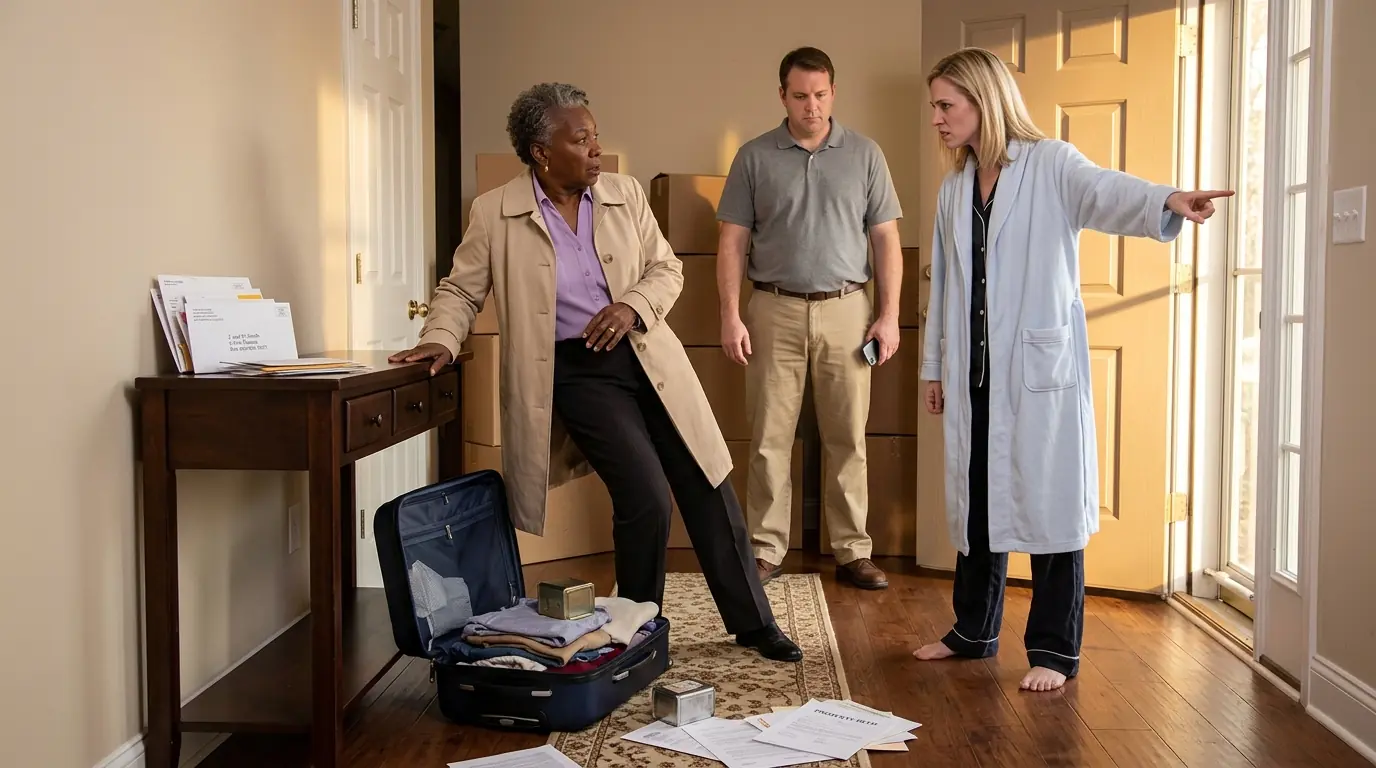
My Daughter-in-Law Shoved Me Out of My Own House… Then She Saw My Name on the Deed
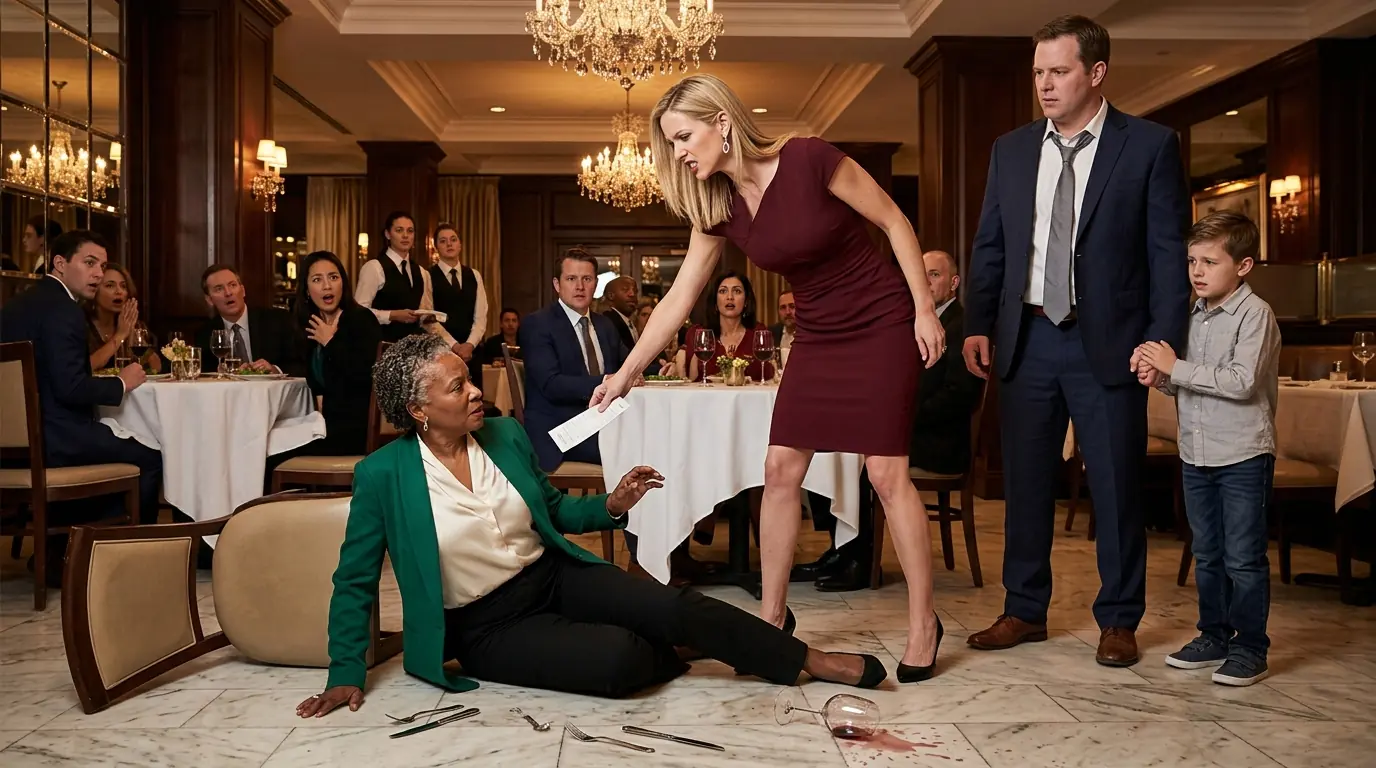
She Told Me to Shut Up and Pay — So I Paid for Dinner and Took Back My House
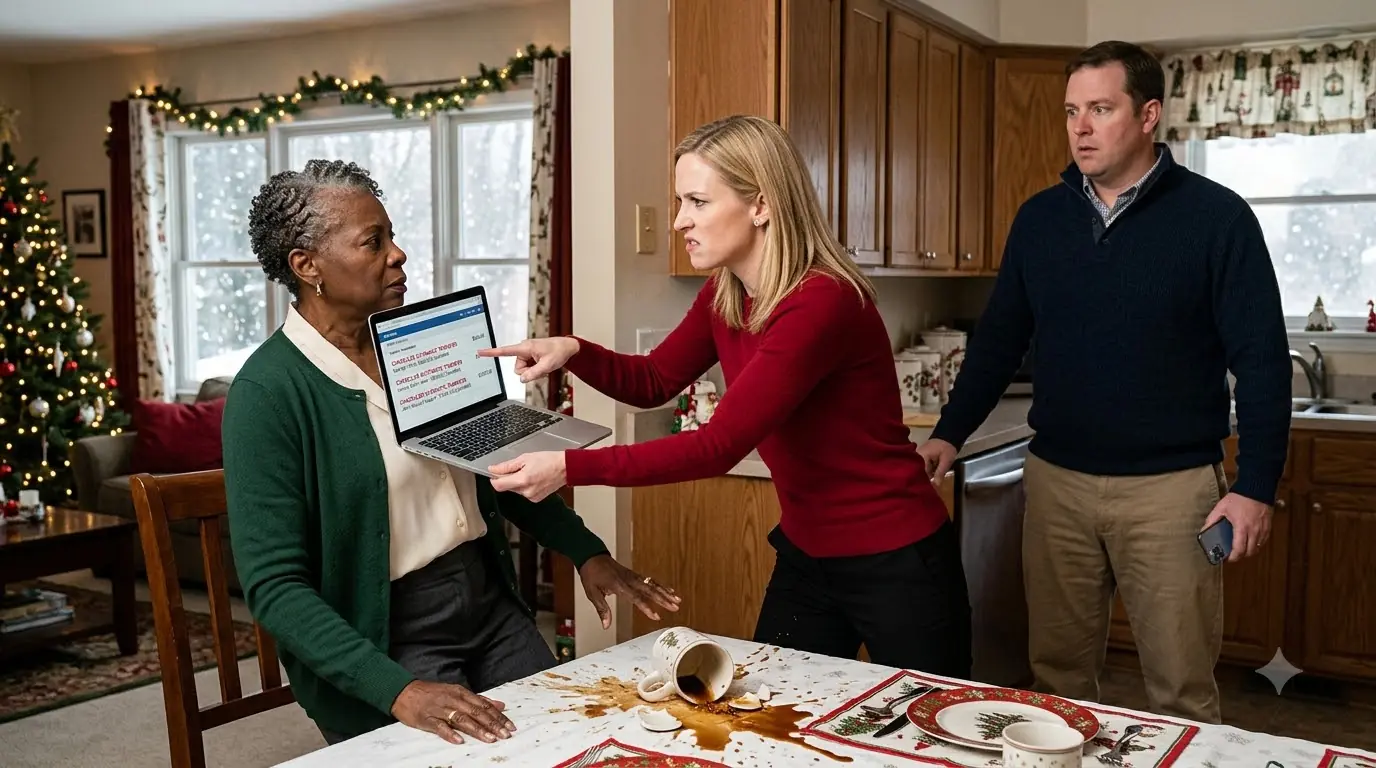
My Daughter-in-Law Called Me “Overly Sensitive” on Christmas… So I Stopped Paying Their Bills and Took Back My Life
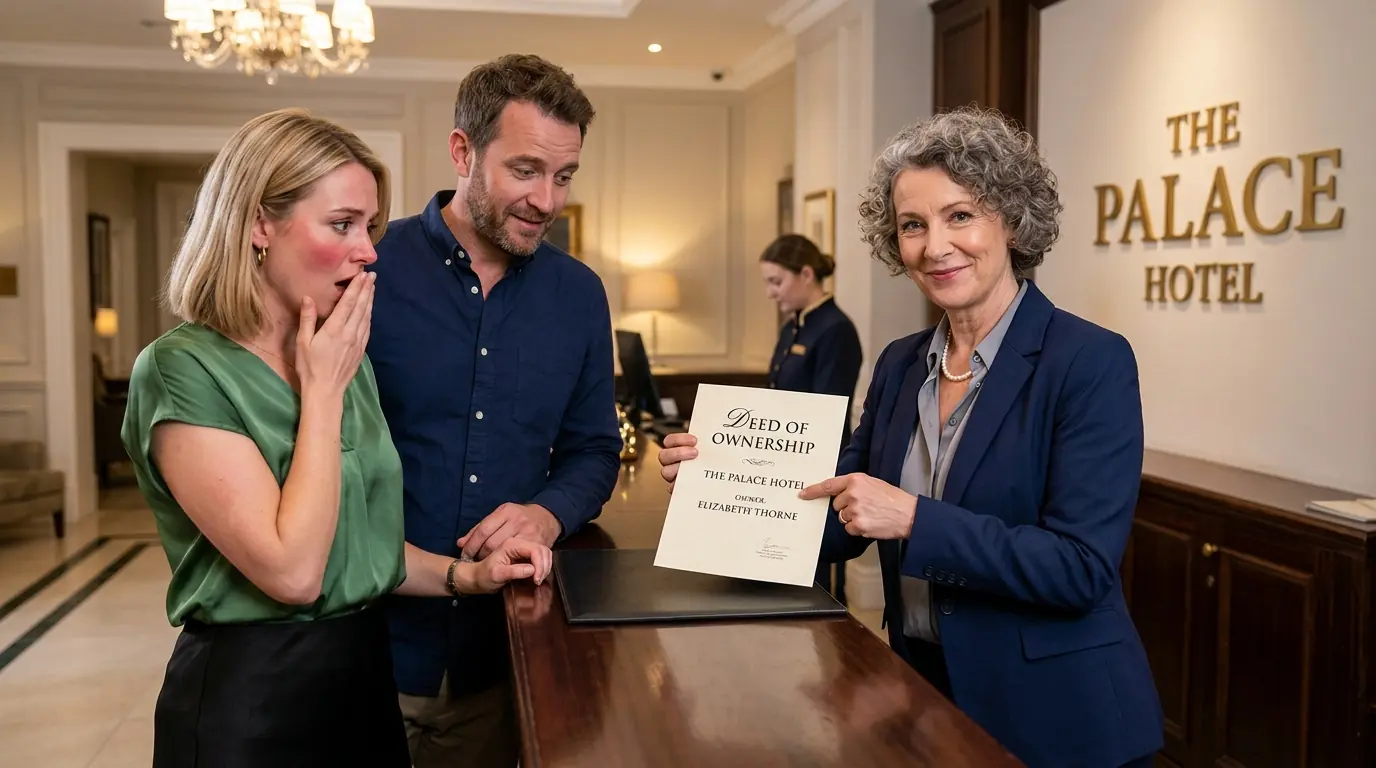
My Daughter-in-Law Called Me "The Maid" in My Own Hotel... My Son Laughed Until He Saw My Name on the Deed
I Came Home Early from Work and Found My Wife Pouring Ice-Cold Water on My Sick Mother While Shouting
The Hotel Clerk Handed Me a Spare Key Because He Thought I Was My Husband’s “Usual Guest”… Then I Opened the Door

I Rushed to the ICU After My Husband’s Accident… Then Another Woman Told the Doctor, “I’m His Legal Wife.”
At My Husband’s Funeral, Another Woman Wearing My Wedding Ring Walked to His Coffin and Said, “I Lived With Him for Twelve Years.”
I Was Showing Clients an Apartment Listed as “Never Occupied”… Then I Found My Husband’s Wedding Photo in the Bedroom
Our Baby Monitor Connected to the TV During Family Dinner… Then I Saw My Husband With the Woman Sitting Beside Me
I Was About to Give Birth When a Nurse Called My Husband Into the Room Across the Hall… Then I Saw Who Was Inside
My Rich Neighbor's Black Belt Son Mocked Me and Demanded a Fight — Then Everything Changed

They Forced Her to Her Knees Before 600 People — Then She Started Counting
Police Demanded ID From a Black Woman on Her Own Porch — Then Their Captain Recognized the U.S. Attorney They Had Threatened
Black CEO Walks Into His Daughter’s School Cafeteria — The First Thing He Hears Makes Him Stop Cold