Restaurant Manager Mocked a Black Couple for Their Casual Clothes — Until He Noticed Their Photo on the Wall
Chapter 1
Reader Theme:
Font Size:
24px
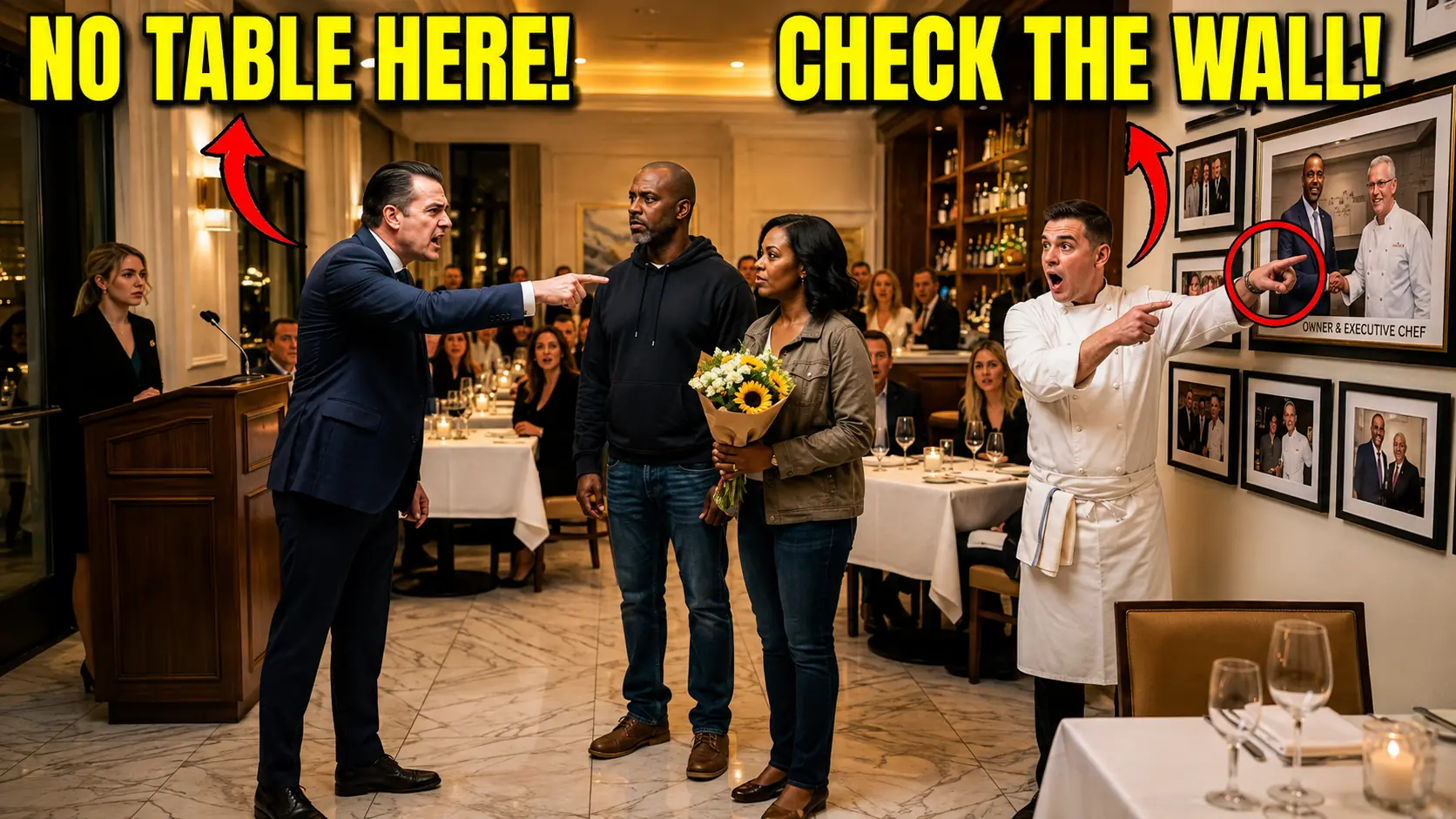
The manager of the Sterling Room restaurant yelled as a black couple in hoodies walked through the door. This is a five-star restaurant. We don't tolerate homeless people. The woman stiffened. The man beside her gently placed his hand on her back. "We only want one table, sir," he said softly, politely, almost a whisper.
The manager stepped closer, close enough for them to hear. "People like you aren't publicly allowed to eat here. You'll upset my guests and everything will go bad." The manager pointed outside. "Now get out before I call the police."
The man said nothing. He just glanced at the wall behind the manager's shoulder. The manager had no idea that the worst night of his life had just begun. Let me take you back to that morning before the insults, before the police, before any of it. Saturday, 7:14 a.m. Richmond, Virginia.
Curtis Crawford stood in his kitchen, barefoot, flipping pancakes on a cast iron skillet that was older than his marriage. The kitchen smelled like butter and maple syrup. The radio on the counter played low. Old Motown, the kind that makes you sway without thinking. Nothing about this house screamed money. The fridge was covered in magnets from family vacations. A kid's drawing taped to the cabinet read, "Best uncle ever." The floorboards creaked when you walked too fast.
But here's what you didn't know yet. Curtis Crawford was the CEO of Crestline Hospitality Group, nine high-end restaurants across the East Coast. Net worth deep into nine figures. The kind of man whose signature could buy an entire city block before lunch. You'd never guess it looking at him. He wore a faded college t-shirt and basketball shorts. His reading glasses sat crooked on his nose. He hummed along to the radio while he cooked. That was Curtis. Quiet money. No flash. No show.
Denise came downstairs in hospital scrubs, still smelling like hand sanitizer from an early morning surgery shift. She was a pediatric surgeon, the kind who opened children's chests and fixed their hearts. She literally kissed him on the cheek, stole a pancake off the plate. "So, what's the plan tonight, Mr. Crawford?"
Curtis smiled. "20 years, baby. I'm taking you somewhere special." "Somewhere special in these scrubs. We'll change after volunteering or we won't. Doesn't matter." He meant it. Curtis never cared about appearances. He cared about people.
That afternoon, they spent four hours at a youth center downtown. Curtis funded a culinary mentorship program there, teaching teenagers from rough neighborhoods how to cook, how to run a kitchen, how to build something from nothing, the same way he did. By 6:45 p.m., they were tired, sweaty, and happy. Hoodies and sneakers, no jewelry, no designer labels, just two people who'd spent their Saturday giving back.
On the drive to dinner, Curtis pulled over at a sidewalk flower stand. He bought a small bouquet. Nothing fancy. Daisies and sunflowers wrapped in brown paper. Denise laughed. "You own nine restaurants and you're buying me gas station flowers." "These aren't gas station flowers. These are sidewalk flowers. Big difference." She shook her head, smiling. "You're ridiculous. 20 years of ridiculous. You're welcome."
What Denise didn't see was the small velvet box Curtis slipped into his hoodie pocket when she wasn't looking. Inside was a bracelet, white gold, engraved "20 years, still my favorite seat at the table." He'd been planning this moment for weeks.
Now, let's talk about where they were headed. The Sterling Room, one of Richmond's most prestigious restaurants. A new American fine dining destination in the heart of the arts district. Tasting menus starting at $200 a plate. Crystal glassware, linen napkins. The kind of place where people proposed, celebrated promotions, and closed business deals. Near the entrance, there was a wall of framed photographs. Founders, investors, key figures who built the restaurant from the ground up. Curtis's face was in one of those frames, a group photo from opening night four years ago. Him shaking hands with chef Raymond Ellis, smiling.
But the photo was small, easy to miss if you weren't looking. And nobody was looking. Three months ago, the Sterling Room hired a new general manager. Bradley Thornton, white, 38, came from a failed steakhouse chain in Charlotte. Sharp suit, firm handshake, big talk about brand standards and clientele management. The staff noticed something within the first week. Bradley liked to stand near the entrance. He watched who came in. He watched what they wore. He watched the color of their skin. If you were white and wearing khakis, you got a smile and a table by the window. If you were black or brown or anything that didn't fit Bradley's picture of the right kind of guest, you got excuses. Fully booked, private event, dress code violation.
In three months, at least six parties of color had been turned away. Nobody reported it. Nobody said a word until tonight. Because tonight, Bradley Thornton was about to make the biggest mistake of his career. He just didn't know it yet.
7:15 p.m. The Sterling Room was alive. Warm golden light spilled across white tablecloths. The clink of wine glasses mixed with soft jazz from hidden speakers. The smell of seared duck and truffle butter drifted from the kitchen in rich, heavy waves. Every table was dressed with fresh flowers and candles flickering behind crystal glass. Waiters in black vests glided between tables carrying silver trays without making a sound. It was the kind of place that made you whisper without knowing why.
Curtis held the door open for Denise. She stepped inside with the bouquet of sidewalk flowers in one hand and his arm in the other. Cool air hit them like a wall, clean, sharp, scented with something expensive. The marble floor gleamed under their sneakers. At the hostess stand, Gabrielle Foster looked up and smiled. 22 years old, college student, working weekends to cover tuition. She reached for two leather-bound menus. "Good evening. Welcome to the Sterling."
A hand came down on the menus before she could finish. Bradley Thornton. [clears throat] He appeared from the side like he'd been watching the door all night, waiting for exactly this moment. His eyes locked onto Curtis and Denise. He scanned them the way a bouncer scans a fake ID, top to bottom. Hoodie, faded jeans, beat-up sneakers, brown paper bouquet with a drooping daisy. His lip curled upward slowly. "What the hell is this?"
Curtis blinked once. "Excuse me." Bradley didn't lower his voice. Didn't even try. "I said, 'What the hell is this? You two smell like a deep fryer. This is a five-star restaurant, not a damn soup kitchen.'" The couple at the nearest table stopped eating. A woman in pearls slowly set her fork down. Her husband cleared his throat and looked away, pretending to study the wine list. The jazz kept playing, but the room already felt different. People were listening now.
Curtis took a breath. Slow, measured. The kind of breath a man takes when he's choosing peace over war. "We don't have a reservation, but we were hoping a table might open up." "No reservation?" Bradley let out a full open-mouthed laugh. Head tilted back, shoulders shaking like Curtis had just delivered the funniest joke of the century. "We've been fully booked since Tuesday. Every table, every seat, nothing available tonight."
Denise looked past Bradley's shoulder. Right at that moment, a couple walked in behind them, white. The man wore a wrinkled polo and loafers without socks. The woman wore a sundress with flat sandals. "No reservation," Denise heard them say so clearly. Bradley turned around. His entire body transformed. Shoulders dropped, smile bloomed, voice turned to warm honey. "Welcome to the Sterling Room. Perfect timing. We just had a cancellation. Right this way, folks." He grabbed two menus and walked them personally to a window table overlooking the courtyard, pulled out the chair for the woman with both hands, placed the wine list before the man like a sacred offering. He even leaned in and whispered something that made them both laugh. Then he strolled back toward Curtis and Denise. Same hallway, same floor, different world entirely.
Denise's voice stayed level, but her eyes were on fire. "You just told us every single table was booked. They're members of our loyalty program." "You don't have a loyalty program. There's nothing about one on your website, your door, or anywhere in this building." Bradley's jaw tightened. A vein on his neck pulsed. He was not accustomed to being corrected. Especially not by a black woman in a hair wrap. "Ma'am, I don't have time to stand here arguing with you. We have standards. If you can't meet them, I suggest somewhere with plastic chairs and paper napkins. More your speed."
Curtis stepped forward. Not aggressive, just present. "We'd like to speak with Chef Raymond Ellis, please." Bradley snorted. "Chef Ellis doesn't take meetings with random walk-ins off the street. He's an award-winning chef running a serious kitchen, not a drive-thru window you knock on whenever you feel like it." "I understand. But if you could just let him know, let him know what? That two people in gym clothes showed up wanting a $200 meal. Trust me, he'd laugh even harder than I did." Bradley raised his walkie-talkie, pressed the button slowly, deliberately, keeping his eyes fixed on Curtis the entire time. When he spoke, he spoke loud. Loud enough for 30 guests to hear every word. "Hey, let security know we've got two walk-ins who can't take no for an answer. Might need an escort out the front door."
Curtis felt Denise's nails dig through his hoodie sleeve into skin. Her pulse hammered against his forearm, fast and furious and barely contained. An older white man two tables away froze, napkin halfway to his mouth. His wife put a hand on his arm and shook her head slightly. A young woman near the bar dropped her gaze to her phone, pretending she heard nothing. But she heard. Everyone heard. Bradley clipped the walkie-talkie back onto his belt, satisfied. Then his gaze dropped to the flowers in Denise's hand. His smirk widened into something theatrical. "And what is that? You actually brought bodega flowers into my dining room?" He said, "My dining room?" Like his name was carved into the foundation. "That's adorable. Like bringing a ham sandwich to a Michelin tasting. Really elevates the atmosphere."
Oliver Dunn stood behind the bar polishing a glass with a white cloth. He heard every word. His hands stopped mid-motion. He didn't laugh, but he didn't speak either. Nobody did. Curtis looked down at the bouquet. Brown paper crumpled from being held too tight. Two petals had fallen from a daisy and landed silently on the polished marble floor. He didn't defend the flowers. Didn't explain that he bought them from an old woman on a street corner who reminded him of his mother. Didn't say that daisies were the first flowers he ever gave Denise, 20 years ago when his bank account held exactly $11. He said nothing. And that silence hit harder than any comeback ever could.
Denise gently took the bouquet from his hands. She pressed it against her chest and held it tight, protective, like shielding something precious from someone who would never understand its value. She looked Bradley dead in the eye and did not blink. "These flowers are worth more than anything in this building, including you." Bradley's smirk cracked for one second. Something dark shifted behind his eyes. Then the mask came back harder. "Ma'am, I'm asking you one final time. Leave this restaurant before this gets truly embarrassing for both of you."
Behind the stand, Gabrielle couldn't take it anymore. "Sir, table 14 just opened up. I can seat them right now." Bradley whipped around, his voice dropped to a whisper, the kind that slices deeper than any shout. "One more word, Gabrielle. One and you are finished tonight. I will walk you out that door personally and make sure no restaurant in this city ever puts your name on a schedule again. Are we clear?" Gabrielle's mouth shut, her hands trembled against the wooden podium. Her eyes turned red and glassy, but she refused to let a single tear fall. She swallowed hard and stared down at the floor. Curtis saw all of it. A 22-year-old girl being crushed because she tried to do something decent. Her shoulders folding inward like paper. Her knuckles turning bone white, gripping the stand to keep herself from falling apart.
Something deep inside Curtis shifted. Not anger, something heavier. Something that settled into his bones like a decision that was never really a choice. He was not leaving. Not for pride. Not for ego, not to prove who he was or what he owned. He was staying for Gabrielle. Because if he walked away tonight, Bradley wins. And tomorrow morning, Gabrielle would stand behind that same podium under that same man, swallowing that same fear with nobody beside her. Curtis turned to Bradley. His voice was the calmest sound in the building. "We'll wait at the bar." Bradley stared at him. "The bar? The bar? If something opens up, we'll be right there." Bradley rolled his eyes, certain they'd leave within 20 minutes. A couple of overpriced drinks, the slow burn of humiliation, and they'd disappear quietly through the front door like they were never here. "Fine, suit yourself." He straightened his blazer, the navy one he was still making minimum payments on, and walked away without looking back.
Curtis placed his hand on Denise's lower back and guided her toward the bar. As they passed the entrance wall, his eyes drifted upward to the framed photographs. The group shot from opening night, him shaking Raymond's hand, both men smiling wide, a ribbon cutting ceremony behind them. Four years ago, Curtis signed the check that made every wall in this building possible. Tonight, he couldn't get a single table in it. Curtis and Denise sat at the far end of the bar. Two stools, no menus, no greeting, just two glasses of tap water that Oliver Dunn placed in front of them without making eye contact. No wine list, no cocktail suggestions, just water in a restaurant where the cheapest glass of wine cost $35. Curtis didn't push it. Not yet. He let the water sit untouched. Denise set the bouquet on the bar beside her, petals brushing against the polished wood. 2 minutes passed, then five. Oliver stood 3 feet away, wiping the same glass over and over, pretending they didn't exist. Behind him, the bar shelves glowed amber and gold. Rows of expensive bourbon and wine lit from below like a museum display. A white couple at the other end laughed about something. The bartender poured them refills without being asked. Service worked just fine when you looked a certain way.
Curtis spoke calmly. "We'd like to see a wine list, please." Oliver glanced toward Bradley, who stood near the hostess stand with his arms crossed, watching them like a security camera. Bradley gave a small shake of his head, almost invisible, but Curtis caught it. Oliver turned back. "I'm sorry, sir. I think we're actually between pours right now." Between pours in a restaurant with a 16-page wine seller on a Saturday night. Denise exhaled through her nose. The kind of exhale that replaces the sentence she actually wanted to say. Curtis didn't wait for permission. He'd memorized this wine list years ago. He helped build it. Opus 1, 2018. The bottle.
News in the same category
A Manager Refused to Respect a Black Couple in Casual Clothes — Then He Saw Their Picture Hanging on the Wall
Restaurant Manager Humiliated a Black Couple Over Their Clothes — Until He Realized Who They Were
A Restaurant Manager Looked Down on a Casually Dressed Black Couple — Then Their Photo on the Wall Changed Everything
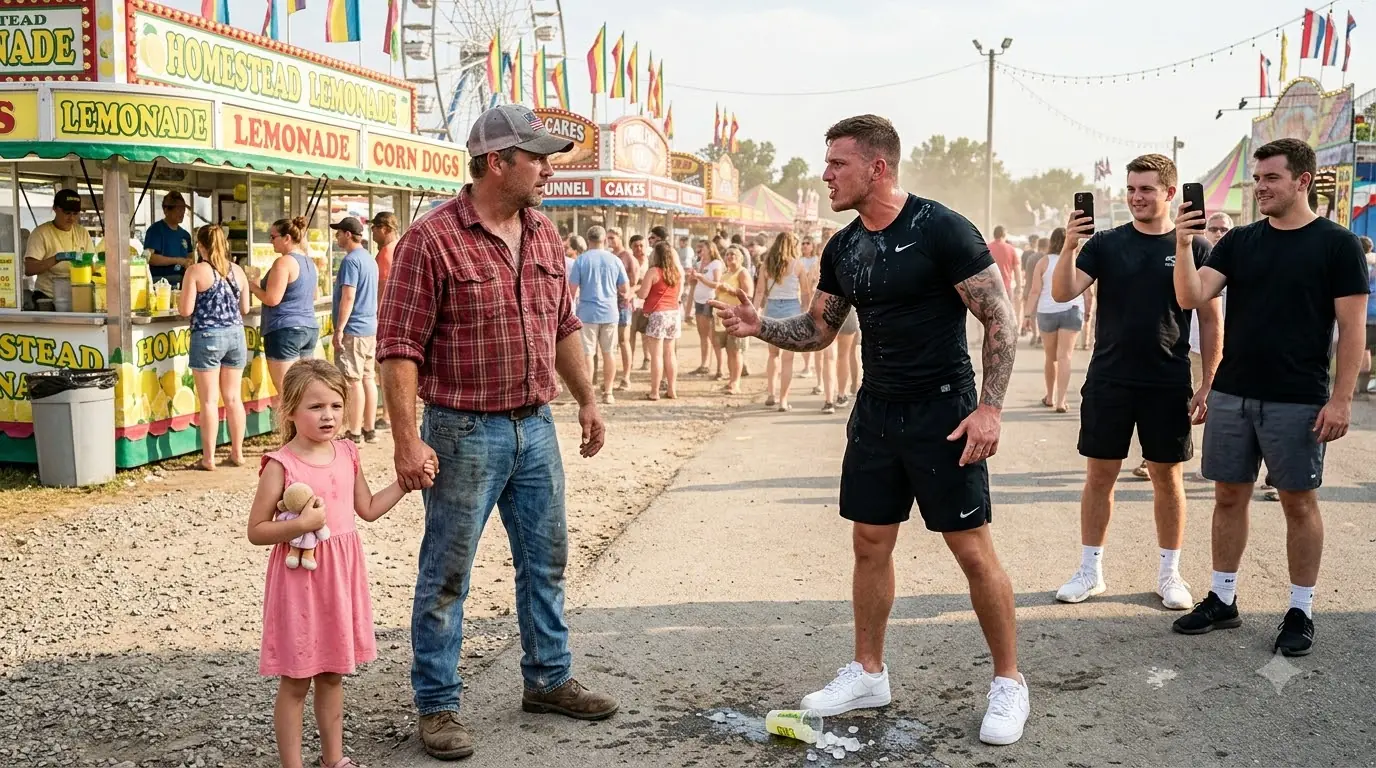
The Fighter Shoved the Quiet Dad to the Ground — Then Mocked Him in Front of His Daughter
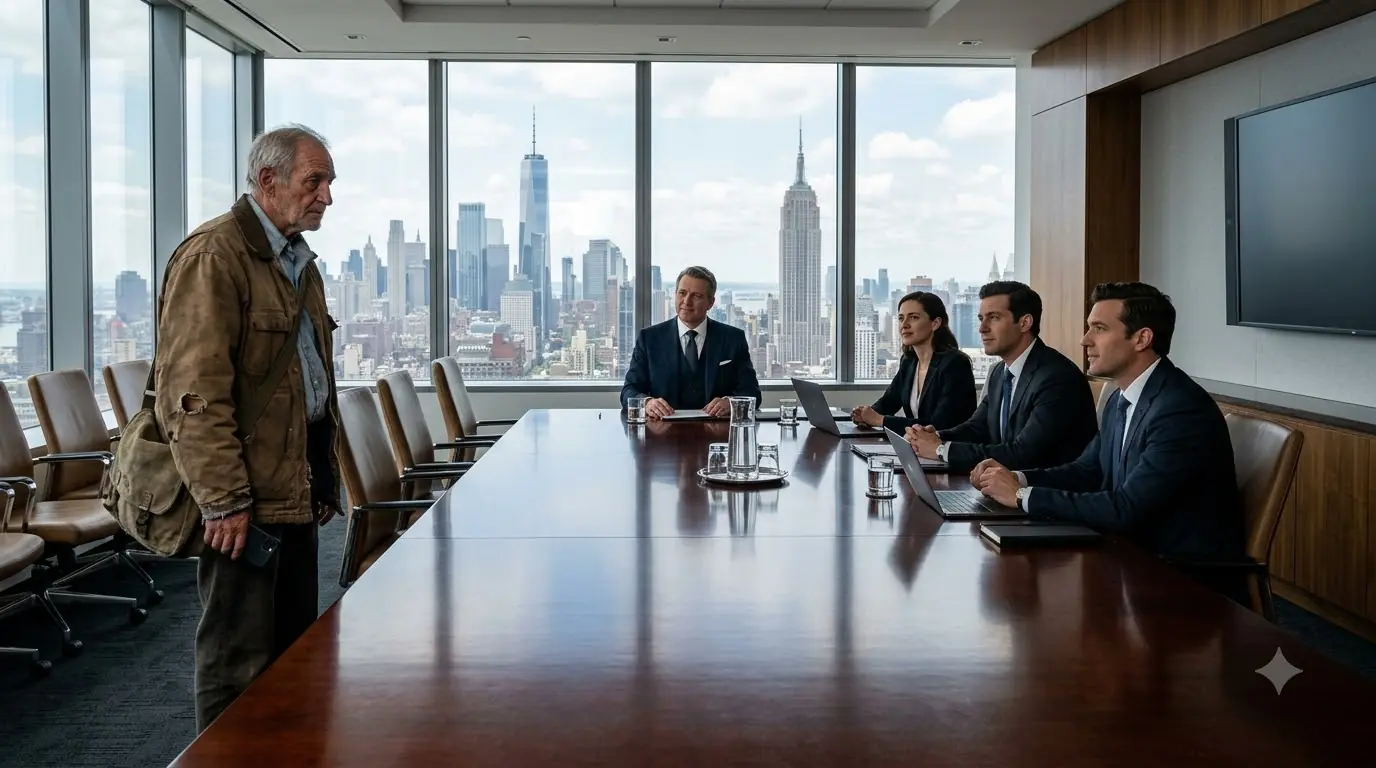
The Billionaire Laughed at the Old Man’s Plea — Then Told Him, “There’s Nothing You Can Do.”
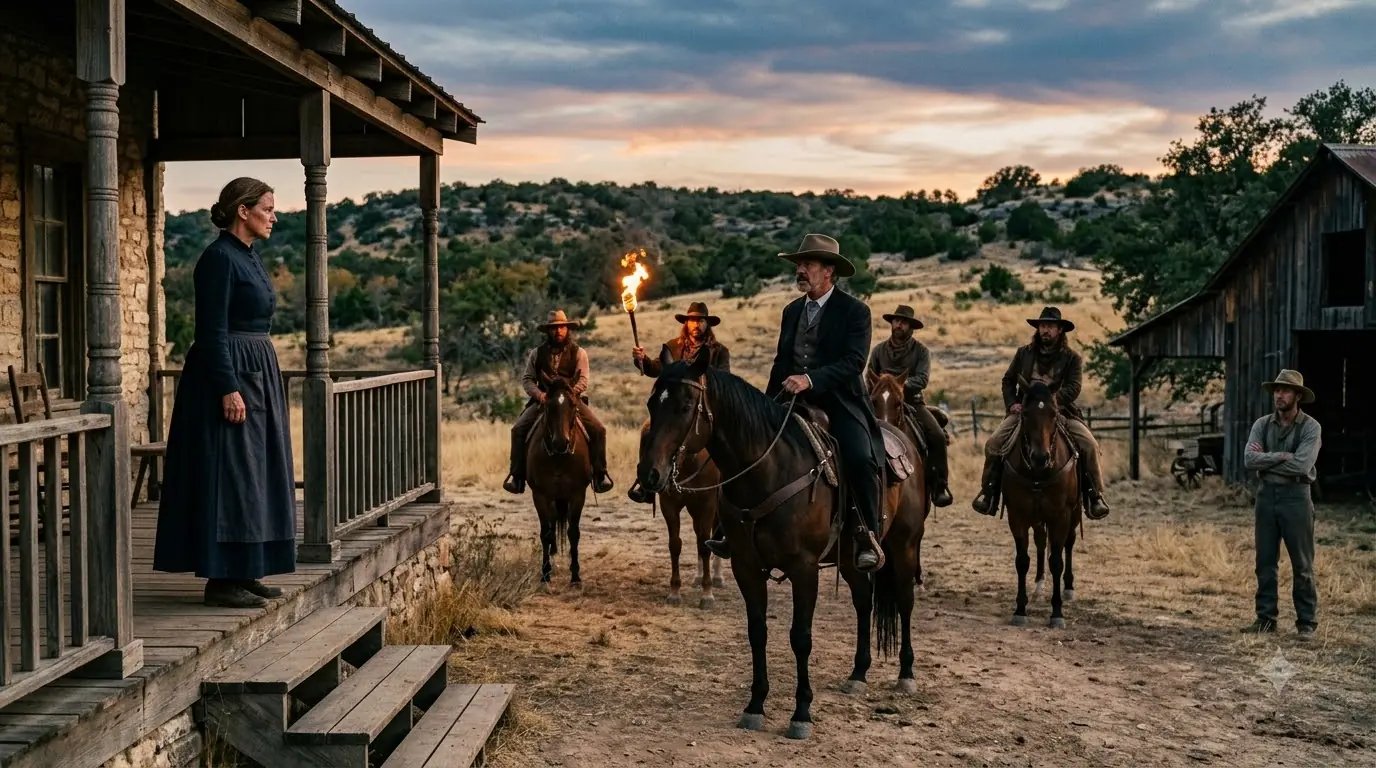
Eight Armed Men Rode Onto Her Ranch — And Told the Widow to Hand Over the Only Evidence She Had
She Thought the Police Would Take Her Side After Smashing His Window — She Was Dead Wrong
HOA Karen Kept Driving Through My Fence — Then Her Shortcut Backfired
She Humiliated the Quiet Old Mechanic in Front of Everyone — Then She Saw His Tattoo
A Neighbor Broke the Gas Station Window — Then Called 911 and Blamed the Black Owner
HOA Karen Kept Smashing Through My Fence — So I Made Sure It Never Happened Again
The Black Belt Made Fun of the Old Mechanic’s Stance — Then One Tattoo Changed Everything
The Black Belt Humiliated His Daughter in Front of the Whole Class — Then Shoved Her Father
They Threw Her Out Into the Rain — Then the Private Elevator Opened
She Thought the Old Mechanic Was an Easy Target — Then His Sleeve Rolled Up
HOA Karen Refused to Stop Driving Across My Property — Then She Regretted It
She Smashed a Black Man’s Gas Station Window and Called the Cops — Biggest Mistake of Her Life
HOA Karen Kept Using My Yard as Her Personal Shortcut — Then Everything Changed
News Post

After 60, I Stopped Chasing These 5 Things—and Started Protecting What Actually Matters
I’m 63, and I Stopped Explaining Myself—But There’s One Boundary I Won’t Cross
Restaurant Manager Judged a Black Couple by Their Appearance — Seconds Later, Their Photo on the Wall Left Him Speechless
A Manager Refused to Respect a Black Couple in Casual Clothes — Then He Saw Their Picture Hanging on the Wall
Restaurant Manager Humiliated a Black Couple Over Their Clothes — Until He Realized Who They Were
10 Things I Do Every Day I Wish Someone Had Told Me to Do at 40
A Restaurant Manager Looked Down on a Casually Dressed Black Couple — Then Their Photo on the Wall Changed Everything
10 Things I Do Every Day I Wish Someone Had Told Me to Do at 40

I’M 72—10 BORING THINGS I DO DAILY TO STAY STRONG AND INDEPENDENT
Creamy Garlic Stuffed Chicken Breast – Juicy, Cheesy & Filled with Garlic Herb Cream Cheese
Brown Butter Pecan Chocolate Chunk Blondies – Chewy, Buttery & Loaded with Toasted Pecans and Melty Chocolate
Salted Caramel Apple Crumble Cheesecake Bars – Creamy, Buttery & Loaded with Cozy Apple Pie Flavor
The Fighter Shoved the Quiet Dad to the Ground — Then Mocked Him in Front of His Daughter
The Billionaire Laughed at the Old Man’s Plea — Then Told Him, “There’s Nothing You Can Do.”
Eight Armed Men Rode Onto Her Ranch — And Told the Widow to Hand Over the Only Evidence She Had
She Thought the Police Would Take Her Side After Smashing His Window — She Was Dead Wrong
HOA Karen Kept Driving Through My Fence — Then Her Shortcut Backfired
She Humiliated the Quiet Old Mechanic in Front of Everyone — Then She Saw His Tattoo
A Neighbor Broke the Gas Station Window — Then Called 911 and Blamed the Black Owner
Restaurant Manager Mocked a Black Couple for Their Casual Clothes — Until He Noticed Their Photo on the Wall
2 Part