She Stole His Electricity for the HOA Party — Then the Alarm Started
Reader Theme:
Font Size:
24px
The first clue was my power bill. I stared at it over breakfast and laughed because the number was so ridiculous. I thought the utility company had mixed me up with a laundromat. I lived alone in a small house outside Savannah, Georgia. LED lights, efficient appliances, no kids at home.
Yet, somehow my electricity use had nearly doubled in 1 month. Then I noticed something outside my kitchen window. A thick yellow extension cord running from the outlet beside my garage. Disappearing through the hedge into my neighbor's yard. I followed it and there she was.
Denise Holloway, president of the Briar Creek Homeowners Association, wearing white sunglasses and holding iced tea while my electricity powered two patio fans, a mini refrigerator, and an outdoor misting machine. She looked at me like I was the one trespassing. That was the moment I knew this wasn't going to be a normal neighbor dispute. My name is Owen Mercer. I'm 52, divorced, and after 27 years working as a municipal water systems technician, I had one goal for the second half of my life.
Quiet. I bought that house because it backed up to woods, not traffic. I wanted coffee, birds, and nobody telling me what color my mailbox should be. Then I met Denise. She ran the HOA like she had been appointed governor by God.
She measured grass, photographed garbage cans, and once warned a retired teacher because his Christmas wreath stayed up until January 9th. Her favorite phrase was, "We all agreed to standards." Even when nobody remembered agreeing to anything. I stayed out of her way for 2 years. Paid my dues, trimmed my hedges, smiled at meetings, went home. But stealing electricity was different.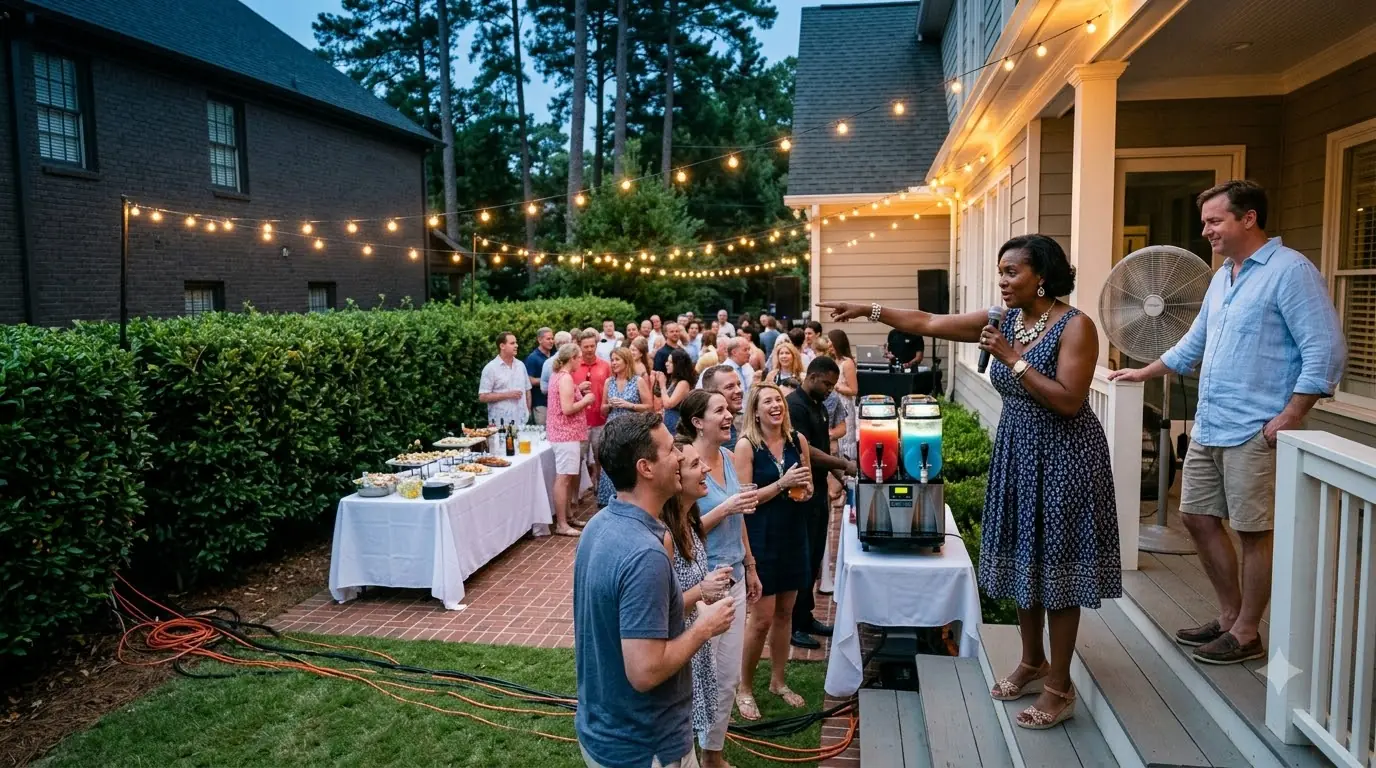
I stepped through the hedge and said, "Denise, why is your equipment plugged into my house?" She didn't flinch. "Oh, that outlet. It's on the community facing side. It's attached to my garage." "Yes, but it faces the easement." I stared at her. That does not make my electricity community property.
She took a slow sip. Owen, don't be difficult. We're using it for neighborhood purposes. I looked at the mini fridge. Neighborhood purposes?
She smiled. Hospitality. I told her to unplug everything. She said, I'll bring it up with the board. No, you don't need a board meeting to stop stealing power.
Her smile disappeared. Then she said, you should be careful throwing around words like stealing. I didn't yell. I went home, opened my smart meter history, and started taking screenshots. The pattern was obvious.
Every afternoon my consumption spiked, sometimes triple normal use. Then I remembered something important about that circuit. The previous owner had installed an aerobic septic system with a separate control panel, alarms, pumps, and a pressure relief line crossing the rear drainage area. During a renovation, the outdoor circuit had been tied into the same auxiliary service panel. It was legal and inspected, but heavy loads on that branch could interfere with the pump cycle and trip protections.
I had the schematic. So I put a locking cover on the outlet. The next afternoon, it was open. Someone had unscrewed the hinges. That was when I installed a security camera.
For three straight days, I watched Denise plug in her cord and walk away like she owned the place. On the fourth day, she brought another cord and a power strip. I confronted her again. Denise, I have you on camera. She folded her arms.
And I have authority over shared use areas. This isn't shared use. That's your interpretation. No, that's property law. She smiled.
Maybe if you participated more in this community, you wouldn't feel so territorial. I laughed. Territorial? It's my house. She walked away.
We'll see. Three days later, glossy invitations appeared in every mailbox. Denise was hosting Brier Creek's annual summer social. Live music, food, frozen drinks, decorative lighting. At the bottom it said, "Power support generously provided by neighboring infrastructure." Neighboring infrastructure, that was me.
The morning of the party, I emailed Denise, the entire board, and the property manager. "You do not have permission to use any electrical outlet, panel, or utility located on my property." I attached photos. Nobody responded. By 3:00 that afternoon, her yard looked like a wedding venue. String lights, speakers, fans, frozen drink machines, catering warmers, even a photo booth.
I sat on my porch and watched three extension cords snake through the hedge. My septic control panel sent its first overload warning at 3:42. I called the service company. The technician said the system was still within emergency tolerance, but the auxiliary circuit was being pulled too hard. "Can you shut that branch off?" he asked.
"I can't." "Then you probably should." I looked outside. Denise was holding a microphone. "And special thanks to Owen," she announced, pointing toward my house, "who finally decided to contribute something." People laughed. I stood in my kitchen with my hand near the breaker. And this is the part people still argue with me about.
I did not shut it off. I had warned her twice. I had emailed her. I had locked the outlet. She removed the hardware.
She knew she didn't have permission. So, I left the system alone. At 4:18, the alarm sounded. First came a soft electronic chirp, then a wet mechanical cough from the drainage line behind Denise's flower bed. A few people turned around.
Denise kept talking. The second cough was louder. Then gray water burst from the relief outlet beneath her decorative gravel and slapped across a folding table. Someone screamed. Another surge followed, spreading across the lawn.
Then the smell arrived. I have worked around wastewater most of my adult life, and I can tell you there are smells that make people uncomfortable, and there are smells that erase social class. Everybody ran. A man in loafers abandoned both shoes. A woman climbed onto a patio chair holding her wine.
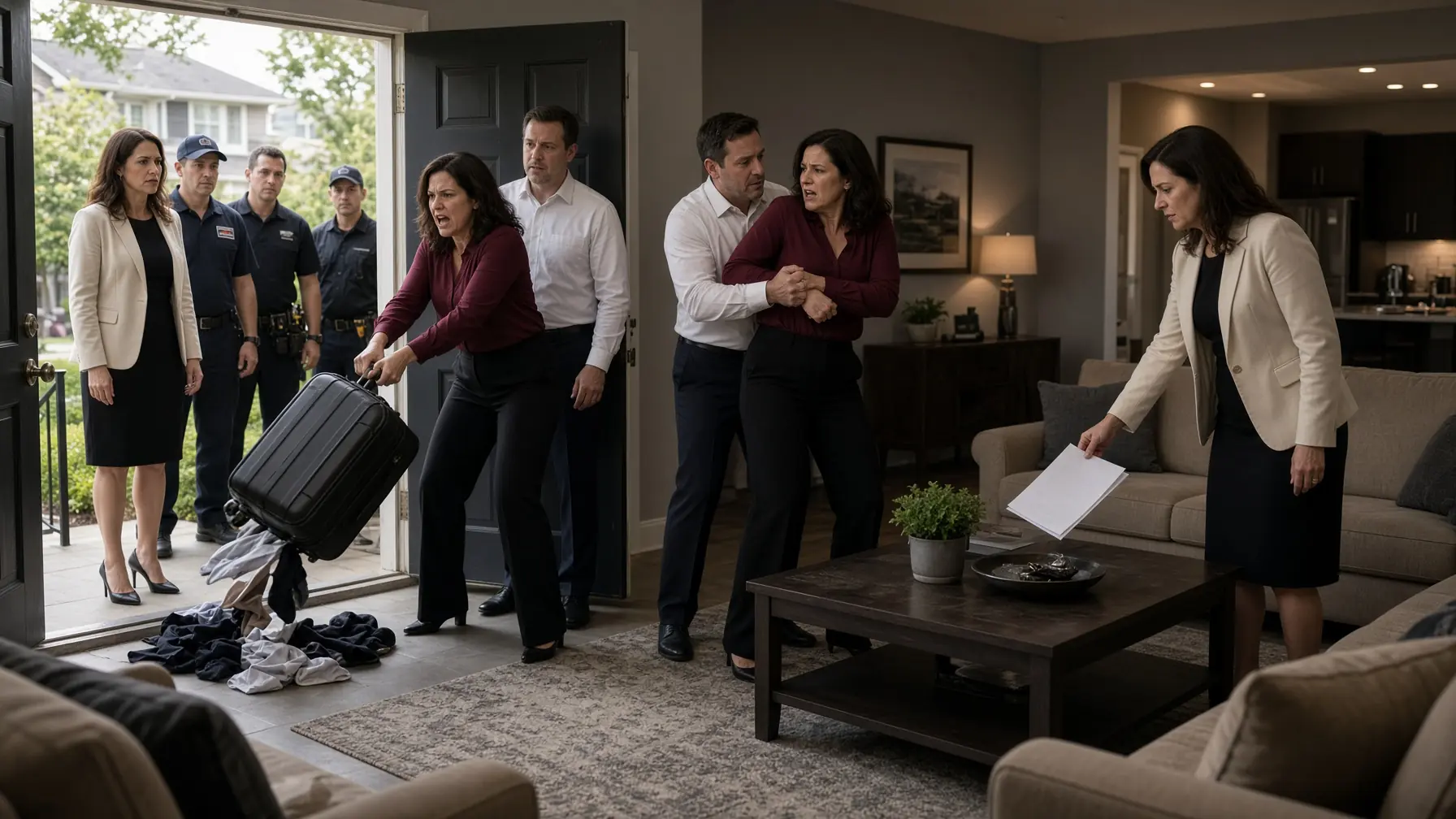
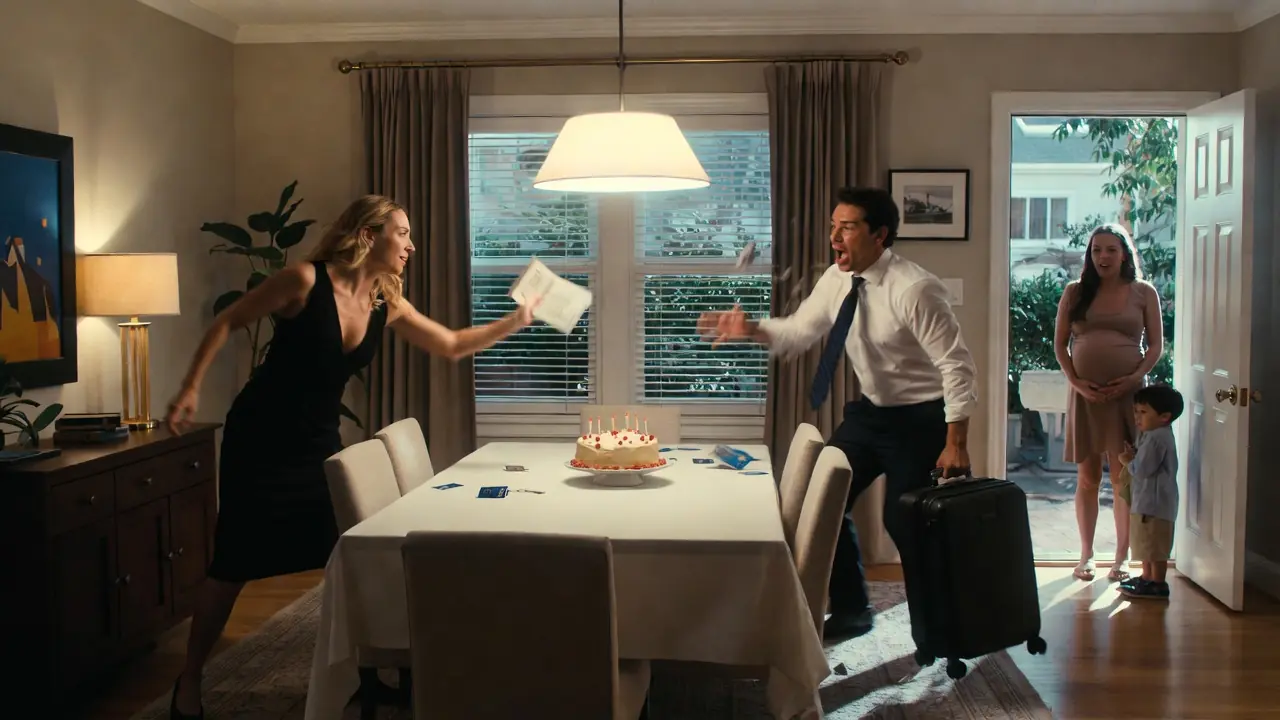
The guitarist unplugged his amp and left so fast he forgot the stand. Denise stood frozen with the microphone in her hand. Then she looked at me. "What did you do?" she screamed. I raised my hands.
"Nothing." "You sabotaged this." "No, Denise. You plugged half a carnival into a circuit I told you not to touch." "You knew this would happen." "I knew something could happen. That's why I warned you." She pointed at me. "You're going to pay for this." And technically, she was right, just not the way she thought. The next morning, an HOA violation notice was taped to my door. $5,000 for creating an unsafe environmental condition.
Two days later, code enforcement showed up after someone reported an illegal wastewater system. I handed them permits, inspection records, maintenance logs, and the original diagram. They left 30 minutes later. Then came HOA citations for solar glare, hedge height, and a commercial vehicle parked in my driveway. It was a 12-year-old Ford pickup.
Denise had declared war. So I stopped being a neighbor and started being a technician. I built a file. Every email, every camera clip, every meter spike, every bylaw, every invoice, every message from the service company. Then other neighbors started talking.
Frank, a widower down the street, showed me fines Denise had issued for rules that didn't exist. A young couple had been threatened over a backyard playset the bylaws clearly allowed. Another homeowner had copies of landscaping payments that seemed to benefit only Denise's property. Then a former board member forwarded me an email Denise had sent months earlier about drainage work behind her house. No need to involve the county unless someone complains.
We can approve it internally. That drainage work was exactly where the overflow had surfaced. I sent the email and my records to county environmental services. A week later, two inspectors arrived. This time, they weren't looking at my house.
They were looking at hers. The county discovered that Denise had redirected a neighborhood runoff trench during a landscaping project without approval. The new grading pushed drainage toward a protected wetland strip behind the subdivision. Now the story wasn't about my outlet. It was about unpermitted drainage, contamination, HOA money, and whether Denise had falsified board approval.
She still didn't back down. Instead, she printed flyers titled The Truth About Owen Mercer. According to Denise, I was unstable, antisocial, vindictive, and operating experimental sewage machinery. Then somebody posted my security footage in the neighborhood Facebook group. Three days of Denise plugging into my outlet.
My written warning. Her party speech thanking me without permission. The comments exploded. So she steals his electricity and then fines him when it blows up? Check the landscaping budget.
By the time the emergency HOA meeting happened, Denise had lost two board members and most of her allies. She showed up in a red jacket carrying a binder like she was about to prosecute me. The county representative asked one question. Ms. Holloway, did Mr. Mercer give you written permission to use his electrical service? She started talking about easements.
He asked again. Did he give you permission? She swallowed. Not exactly. The room changed.
Then he displayed a map showing the unapproved drainage route behind her property. People started shouting. One woman stood up. You told us that was a beautification project. Another asked where the money came from.
Denise blamed contractors. Then the former board member read her email out loud. No need to involve the county unless someone complains. For the first time since I had known her, Denise had nothing to say. Within a month, the HOA removed her as president.
The county issued penalties and required restoration of the drainage area. My attorney sent a formal demand over the false citations, property interference, and defamatory flyers. The HOA's insurer settled before it became a full trial. My legal costs were covered, every fine was erased, and I received a written apology. Denise sold her house that fall.
The strange part is, the last time I saw her, she wasn't yelling. She came to my fence with an envelope. "Your apology," she said. I took it. "You could have mailed this." "I know." For a second, she looked tired.
Not defeated exactly, just smaller. Then she glanced toward my garage. The outlet now had a steel lockbox around it. I said, "Don't worry. I upgraded the security." She almost smiled.
Then I added, "And the septic alarm." That smile disappeared. She left without another word. People still ask whether I should have flipped the breaker that day. Maybe.
Part of me knows I could have stopped the whole disgusting scene with one switch. But another part remembers the warnings, the stolen power, the threats, the lies, and the way she used authority to make ordinary people feel small. I didn't create her choices. I just stopped protecting her from them.
END