SOMETIMES AGING MEANS WATCHING YOUR WORLD SLOWLY GET SMALLER
Reader Theme:
Font Size:
24px
SOMETIMES AGING MEANS WATCHING YOUR WORLD SLOWLY GET SMALLER
Growing older doesn't always change life all at once. Sometimes the changes happen so gradually that neither the older person nor their family immediately notices them. A weekly dinner with friends becomes monthly. Driving after dark becomes uncomfortable. A long walk across a parking lot starts feeling exhausting. Phone calls become less frequent, and eventually entire days may pass without a meaningful conversation.
For many older adults, this shrinking social world can be one of the less visible challenges of aging. It isn't simply about having fewer activities on the calendar. Losing friendships, mobility, transportation, familiar routines, and regular contact with family can affect someone's sense of connection, independence, and purpose.
Not every older person who spends considerable time alone is lonely. Some genuinely enjoy solitude. But when being alone isn't a choice—and meaningful relationships become increasingly difficult to maintain—the emotional and health consequences deserve attention.
Sometimes an older person doesn't need more things to do. They need more people who genuinely want them around.
How an Older Person's World Can Gradually Become Smaller
Most people build their social lives around several overlapping circles.
There may be family at home, coworkers at work, neighbors nearby, friends from hobbies, people from religious or community groups, and acquaintances encountered during ordinary errands.
Later in life, several of those circles can shrink at the same time.
Retirement removes coworkers. Friends may become ill or move away. Adult children establish households of their own. Physical limitations can make hobbies harder. Giving up driving can make spontaneous outings nearly impossible.
No single change necessarily causes loneliness.
But together, they can dramatically change what an ordinary week looks like.
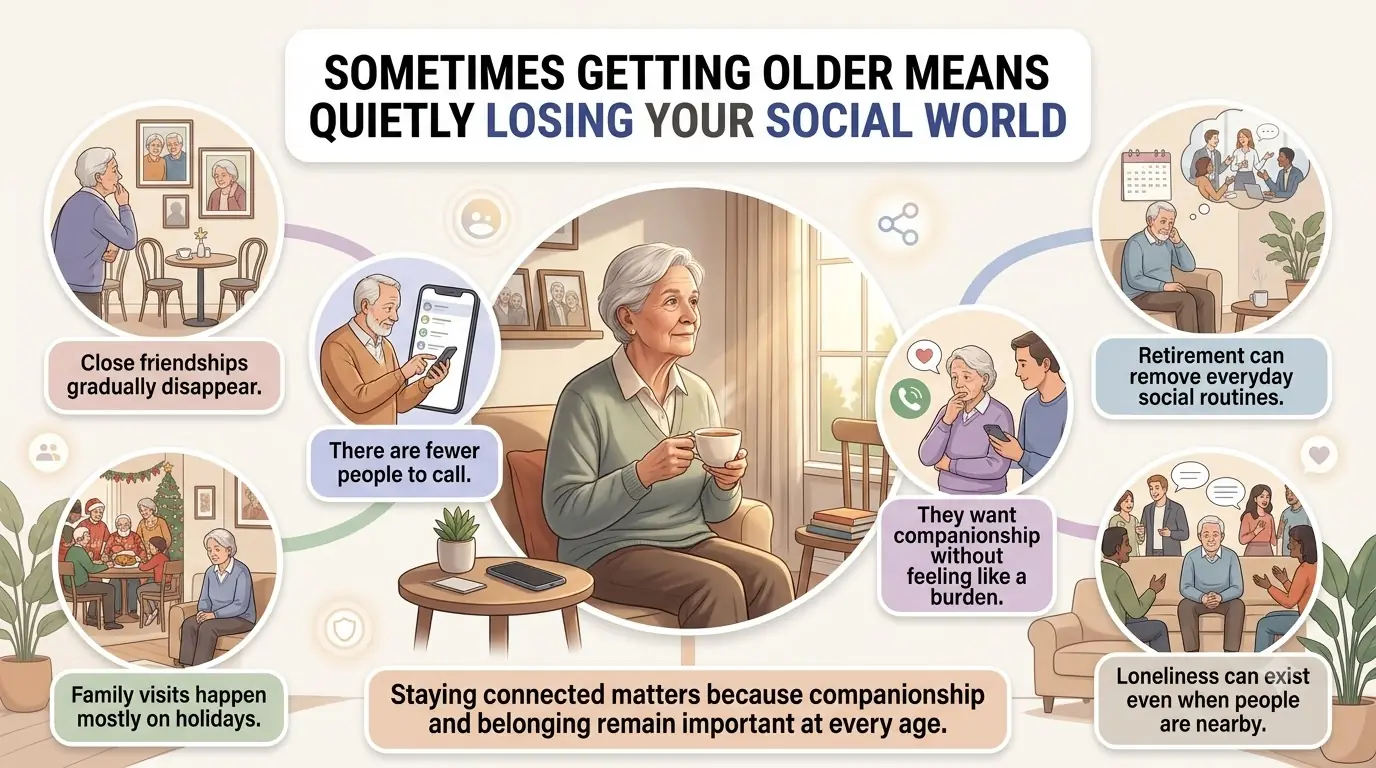
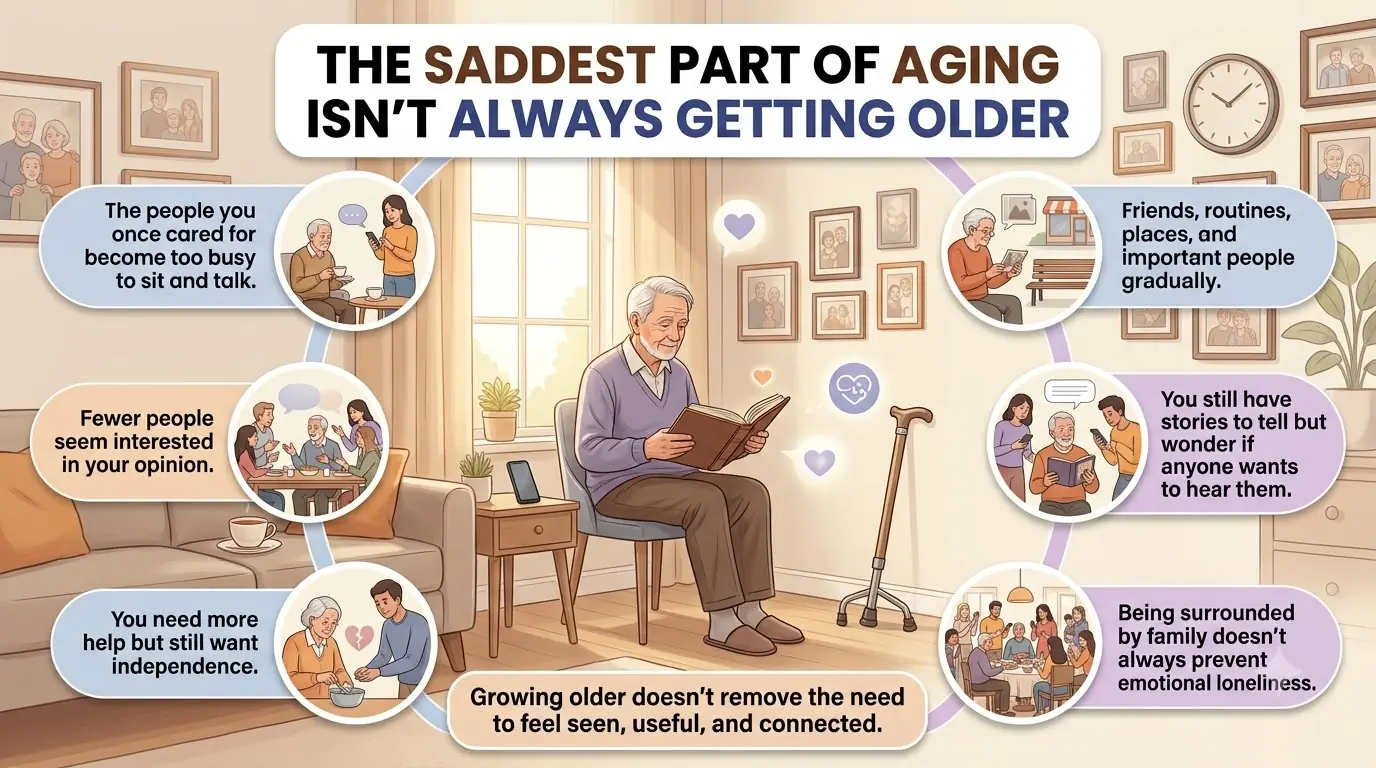
1. Friends You Once Saw Every Week May Gradually Disappear
Friendships can become particularly vulnerable later in life.
Someone you met for coffee every Tuesday may develop health problems.
Another friend may move closer to their children.
A longtime neighbor may relocate.
Someone else may die.
These losses don't simply remove names from a contact list. They can eliminate decades of shared history.
Longtime friends often understand parts of someone's life that newer acquaintances don't. They remember former workplaces, marriages, raising children, old neighborhoods, and people who are no longer alive.
Losing those relationships can therefore feel like losing part of one's personal world.
Older adults may also have fewer natural opportunities to form new friendships, especially after retirement or when mobility becomes limited.
Supporting existing friendships can be valuable. Sometimes something as practical as transportation or help using video calling can allow an important relationship to continue.
2. Family Visits May Become Less Frequent
Adult children rarely intend to become distant.
Life simply becomes crowded.
Careers demand attention. Children have school and activities. Households need managing. Weekends fill quickly.
From the adult child's perspective, a few weeks can disappear almost instantly.
For an older parent living alone, those same weeks may feel very different.
This doesn't mean families should feel guilty for having responsibilities of their own. What matters is recognizing that the rhythm of life can look dramatically different from one generation to another.
Predictable contact can help.
Instead of repeatedly saying, “We'll get together soon,” families might establish something concrete—a Sunday phone call, dinner twice a month, or another routine that realistically fits everyone's lives.
Consistency can sometimes matter more than frequency.
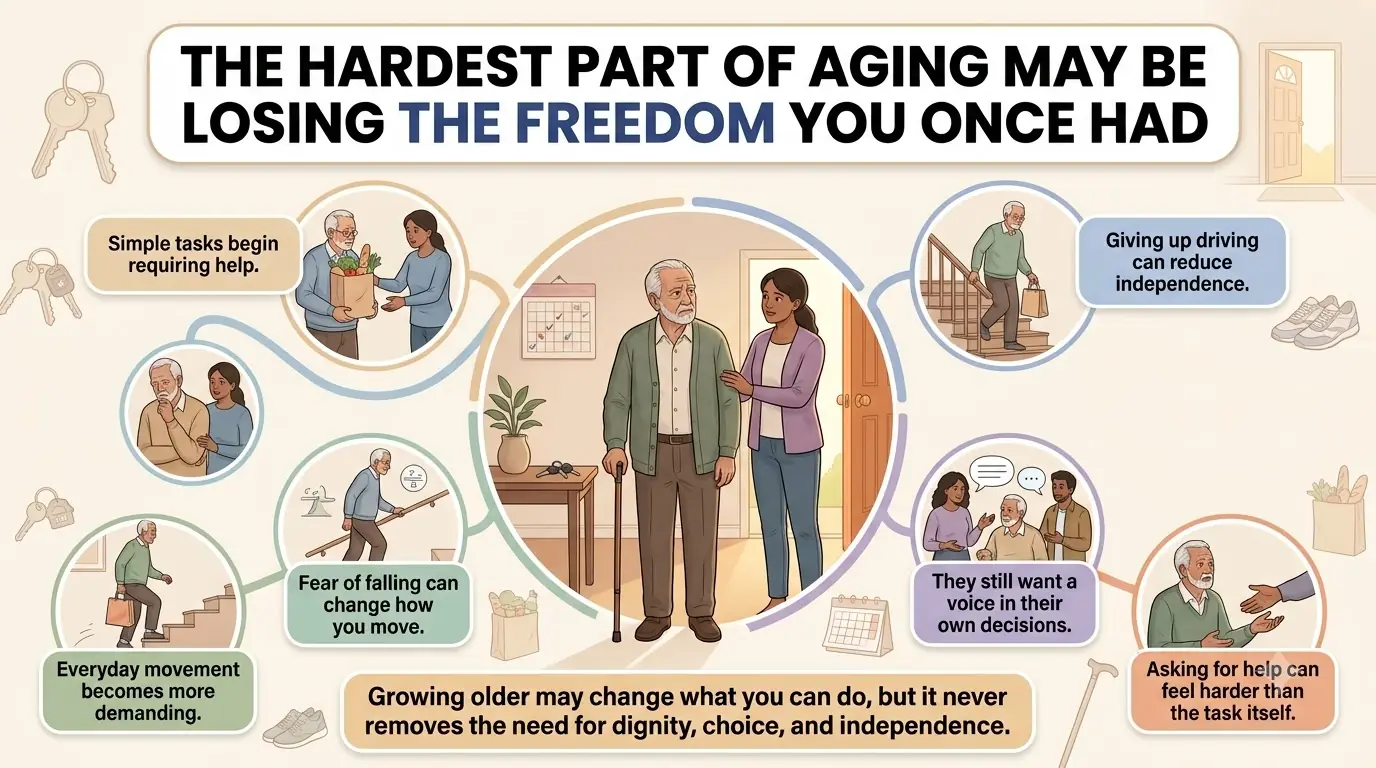
3. Mobility and Transportation Can Quietly Reduce Social Life
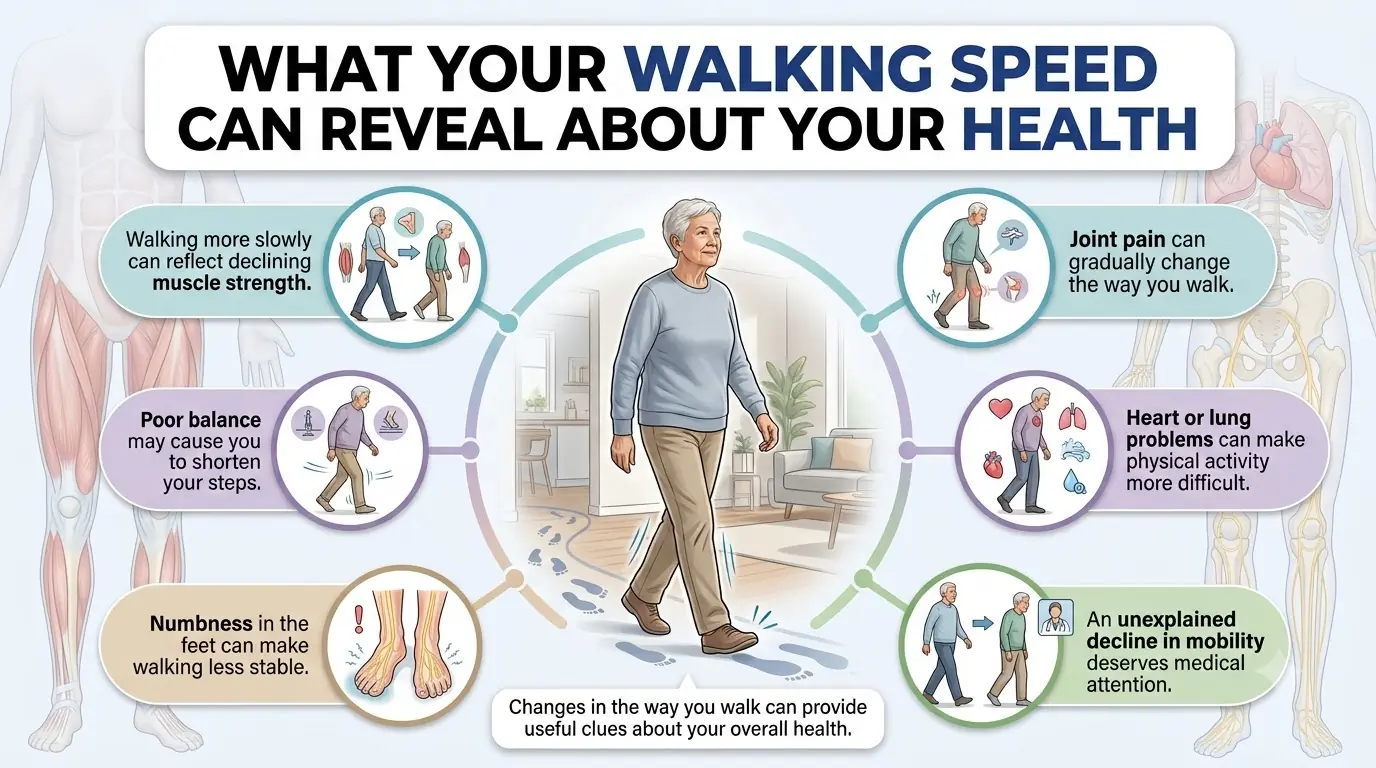
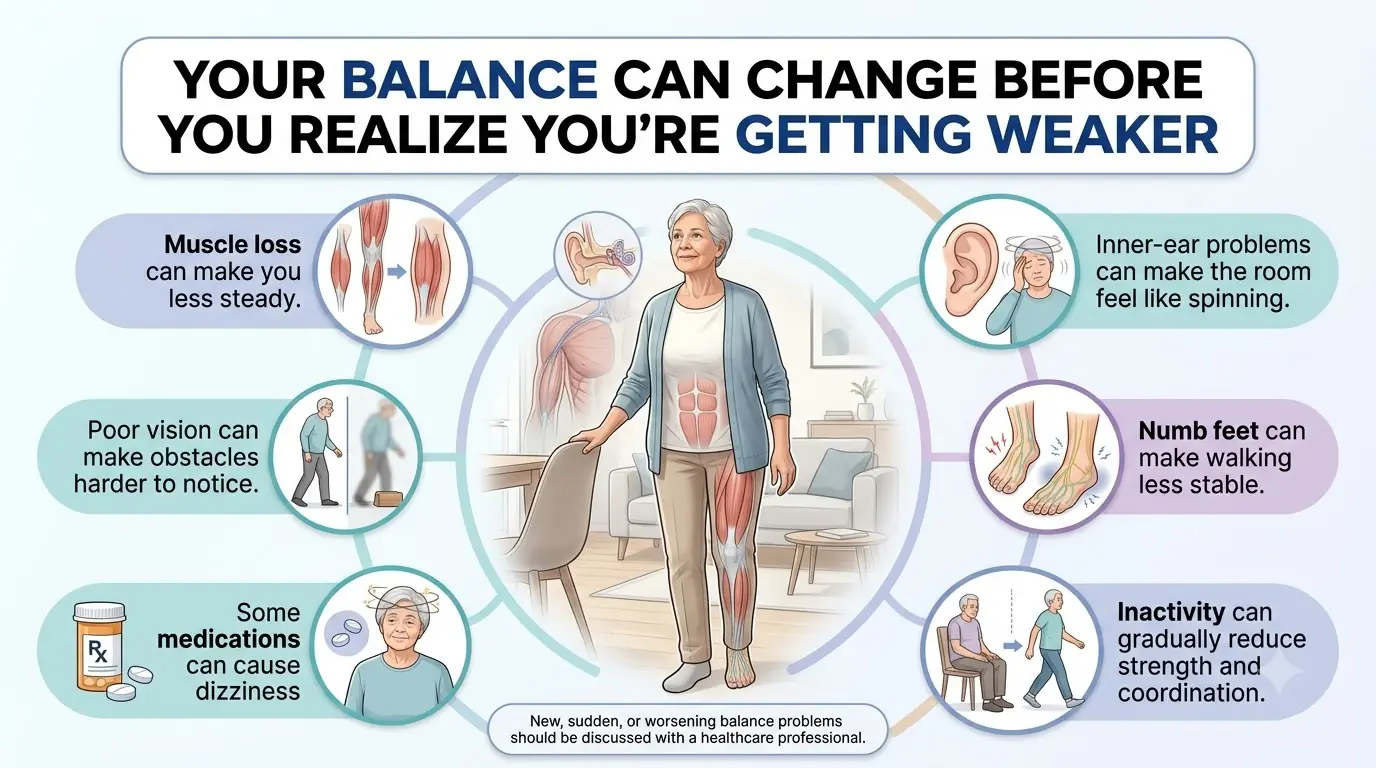
A person doesn't need to become completely housebound for mobility to affect their relationships.
Small difficulties can be enough.
Driving at night becomes uncomfortable.
Walking across a large parking lot becomes exhausting.
Stairs become intimidating.
Standing for long periods causes pain.
Getting into someone else's car becomes difficult.
Eventually, an invitation that once sounded enjoyable starts sounding physically demanding.
The person begins declining.
Friends may eventually stop inviting them because they assume they're no longer interested.
This can create isolation even when the person still wants social contact.
Families can help by asking why someone stopped participating rather than assuming they've lost interest.
Sometimes the barrier isn't emotional at all.
It may be transportation, pain, hearing difficulty, poor vision, accessibility, or fear of falling.
Addressing that barrier can sometimes reopen part of someone's social world.
4. The Phone May Stay Quiet for Longer
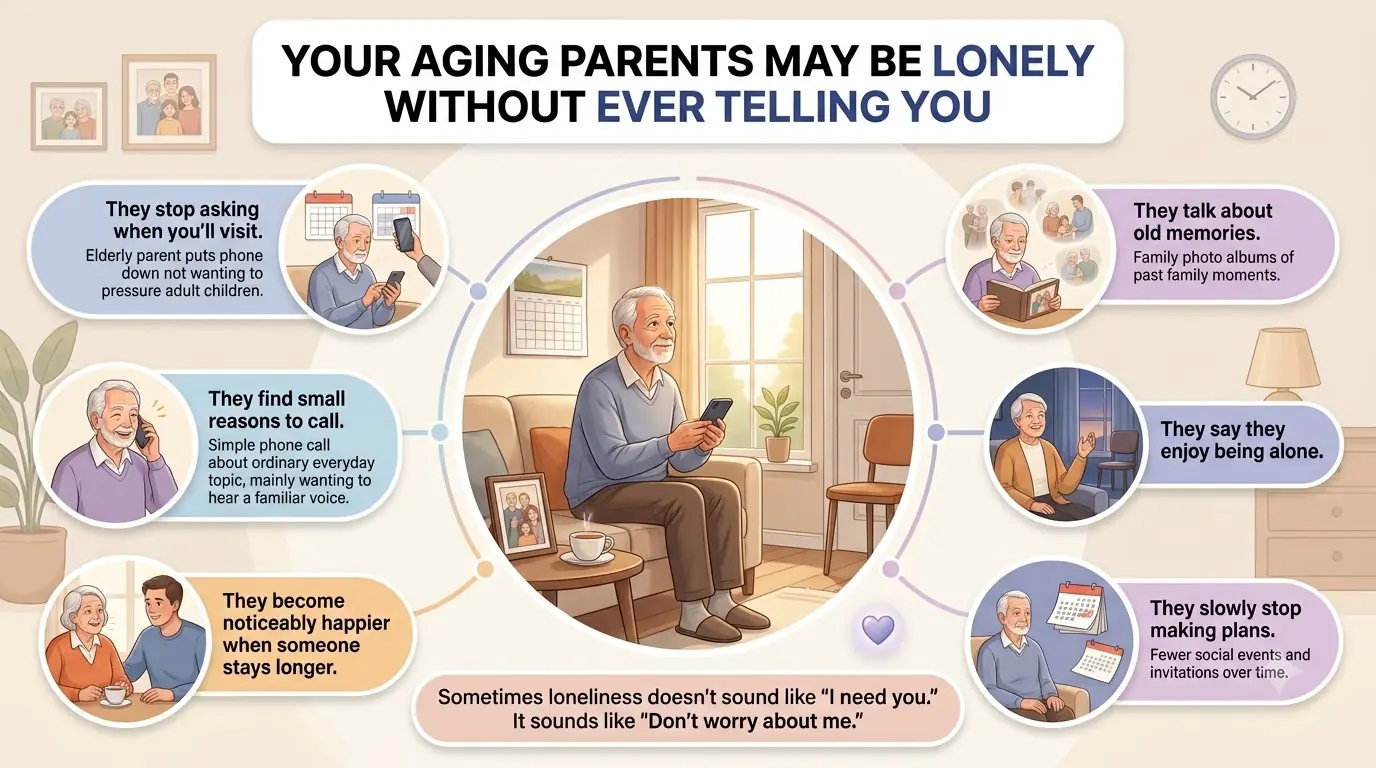
Imagine going through an entire day without anyone calling simply to talk.
Then imagine several days like that.
For someone accustomed to decades of workplace conversations, family responsibilities, and active friendships, that silence can represent a major life transition.
This is one reason seemingly insignificant phone conversations can carry considerable meaning.
An older parent may tell you about the weather.
They may describe something they saw at the grocery store.
They may tell you the same story you've heard before.
The topic itself may not be particularly important.
The connection is.
You don't need to have a profound conversation every time you call.
Talking about ordinary life—what you cooked, something funny your child did, a television show, a neighbor, or weekend plans—can maintain the everyday intimacy that relationships are built on.
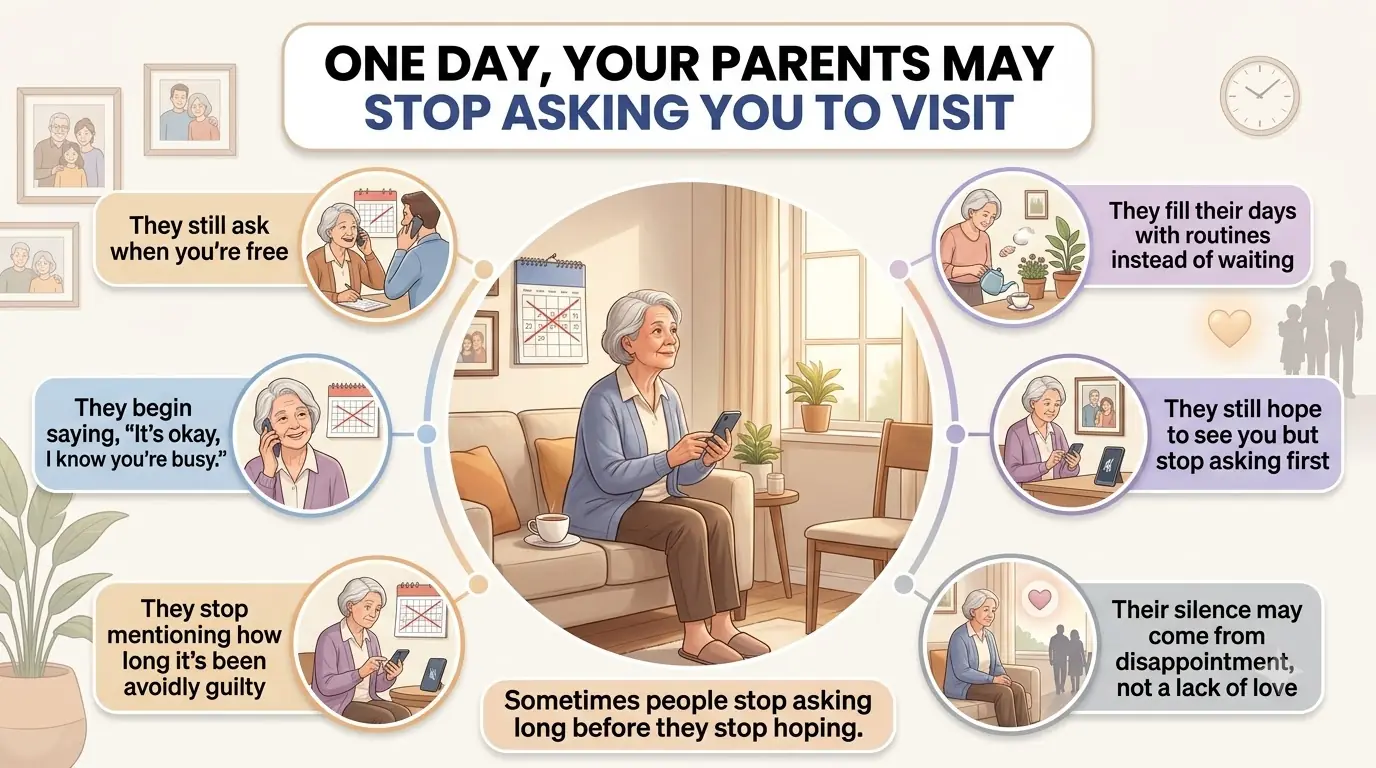
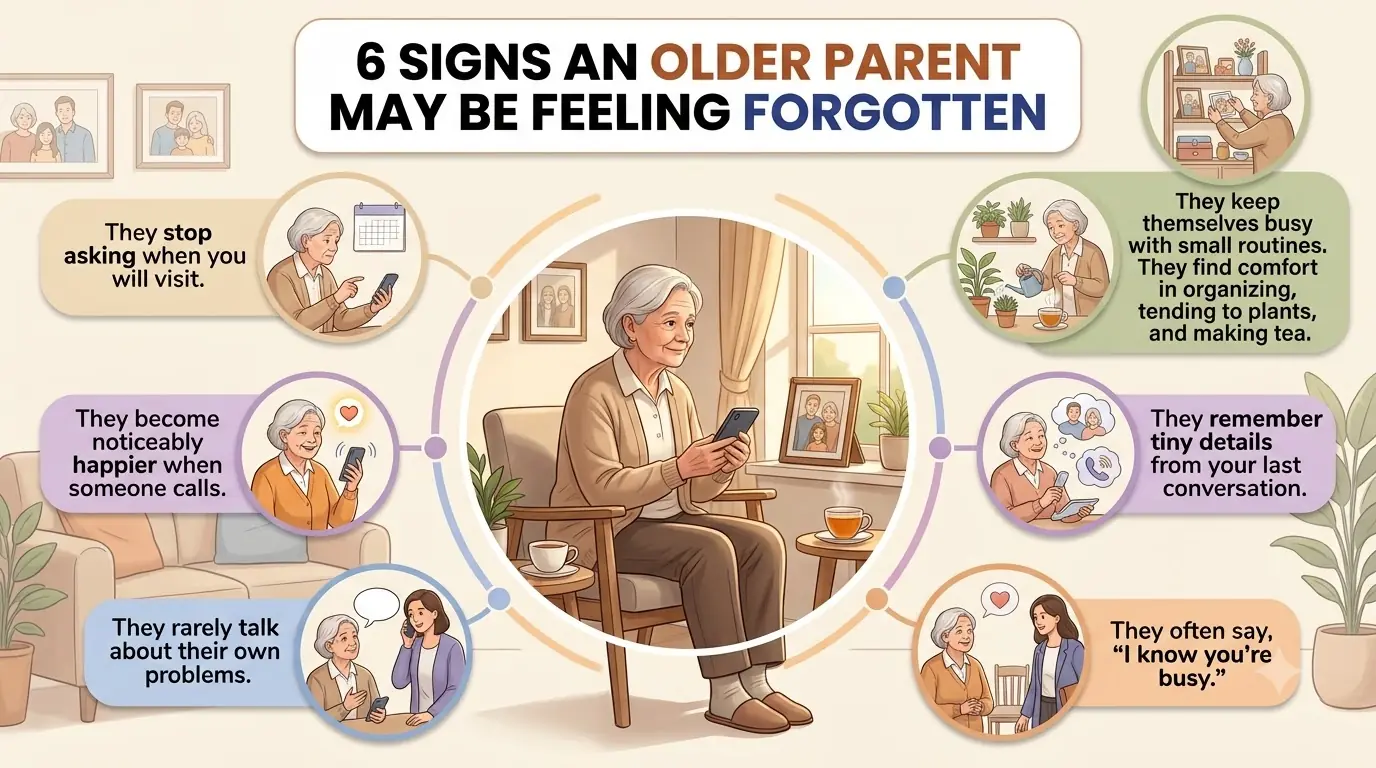
5. They May Stop Asking People to Visit
One of the easiest changes to misunderstand is when an older person stops initiating contact.
Family members may assume:
“They haven't asked us to come over, so they must be fine.”
But sometimes someone stops asking precisely because they've asked before.
They don't want their children to feel guilty.
They don't want friends to visit out of obligation.
They don't want to become another responsibility.
So they begin saying:
“Don't worry about me.”
“Come whenever you're free.”
“I know you're busy.”
“I'm fine here.”
Those statements shouldn't automatically be interpreted as hidden loneliness. Some people genuinely mean them.
But if someone who previously enjoyed frequent contact suddenly stops reaching out, it's worth checking in.
Rather than waiting for an invitation, occasionally be the person who calls first.
6. Eventually, Staying Home Can Become Normal
Human beings adapt remarkably well.
Unfortunately, we can adapt to isolation too.
Someone stops going to one activity because walking has become difficult.
Then they stop attending another because they no longer drive.
They see friends less often.
They become accustomed to spending evenings alone.
Eventually, staying home becomes the default.
This can create a cycle.
Less activity means fewer opportunities for conversation and physical movement. Reduced activity may contribute to physical deconditioning. Lower confidence can make leaving home feel even more difficult.
The person's world gradually contracts.
Breaking this pattern doesn't necessarily require filling every day with activities.
A better starting point may be identifying one meaningful connection or activity the person genuinely misses and finding a realistic way to make it accessible again.
Loneliness Is Different From Simply Being Alone
Being alone isn't inherently unhealthy.
Many people value privacy, independence, and quiet time.
Loneliness occurs when there is a gap between the social connection someone has and the connection they want.
That's why two people living in identical circumstances may feel completely differently.
One older adult living alone may have satisfying friendships, regular phone calls, hobbies, and a strong sense of independence.
Another may live with relatives but feel ignored and emotionally disconnected.
The number of people nearby doesn't tell the whole story.
Connection needs to feel meaningful.
Why Social Connection Matters for Healthy Aging
Social relationships are associated with both emotional and physical well-being.
Research has linked social isolation and loneliness with higher risks of depression, cardiovascular problems, cognitive decline, and premature mortality.
These relationships are complex.
Loneliness doesn't automatically cause a specific disease, and illness itself can make people more isolated. Someone with arthritis, hearing loss, heart disease, or mobility problems may naturally participate in fewer activities.
Health and social connection can therefore influence each other.
This makes it important to consider social well-being as part of healthy aging rather than treating it as something separate from physical health.
Hearing Loss Can Make a Crowded Room Feel Lonely
One important barrier to social connection is often overlooked: hearing loss.
An older adult may still attend family gatherings but gradually stop participating in conversations.
When several people talk simultaneously, following the discussion can become exhausting.
Eventually, the person may smile, nod, and remain quiet.
Other family members may assume they're tired, uninterested, or becoming withdrawn.
In reality, they may simply be struggling to hear.
If someone becomes noticeably quieter during conversations, frequently asks others to repeat themselves, or turns the television volume increasingly high, hearing evaluation may be worthwhile.
Improving communication can sometimes make social participation easier again.
Losing a Spouse Can Change an Entire Social Network
Bereavement can affect far more than companionship at home.
Couples often share friendships, routines, activities, and social identities.
After a spouse dies, the surviving partner may lose:
- Their closest daily companion.
- Shared routines.
- Couple-based friendships.
- Someone who organized social activities.
- A transportation partner.
- The person they talked to about ordinary daily experiences.
Grief has no universal timetable.
Families should avoid pressuring someone to “move on” or become social before they're ready.
At the same time, maintaining gentle, consistent contact can help ensure that grief doesn't become complete isolation.
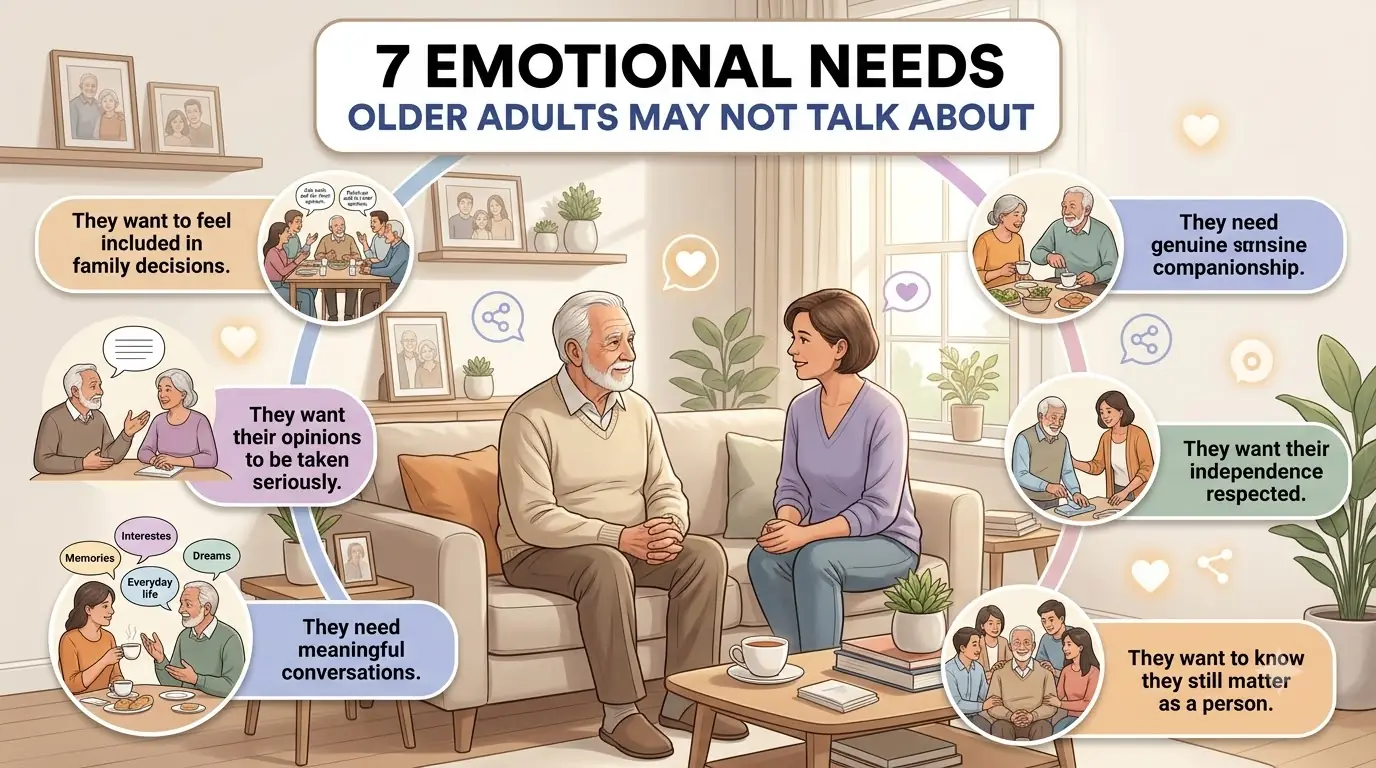
Purpose Matters Alongside Companionship
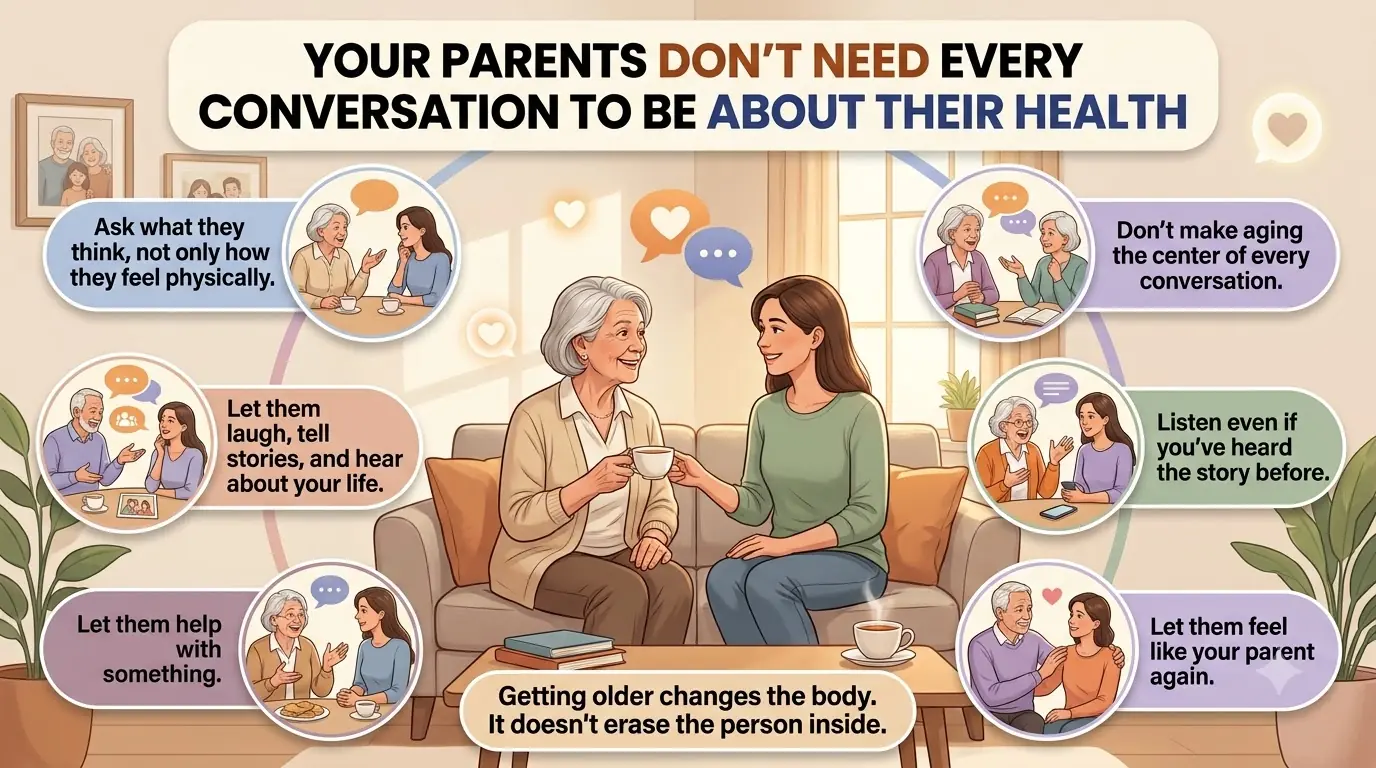
Older adults don't necessarily want people constantly checking on them.
Many also want to contribute.
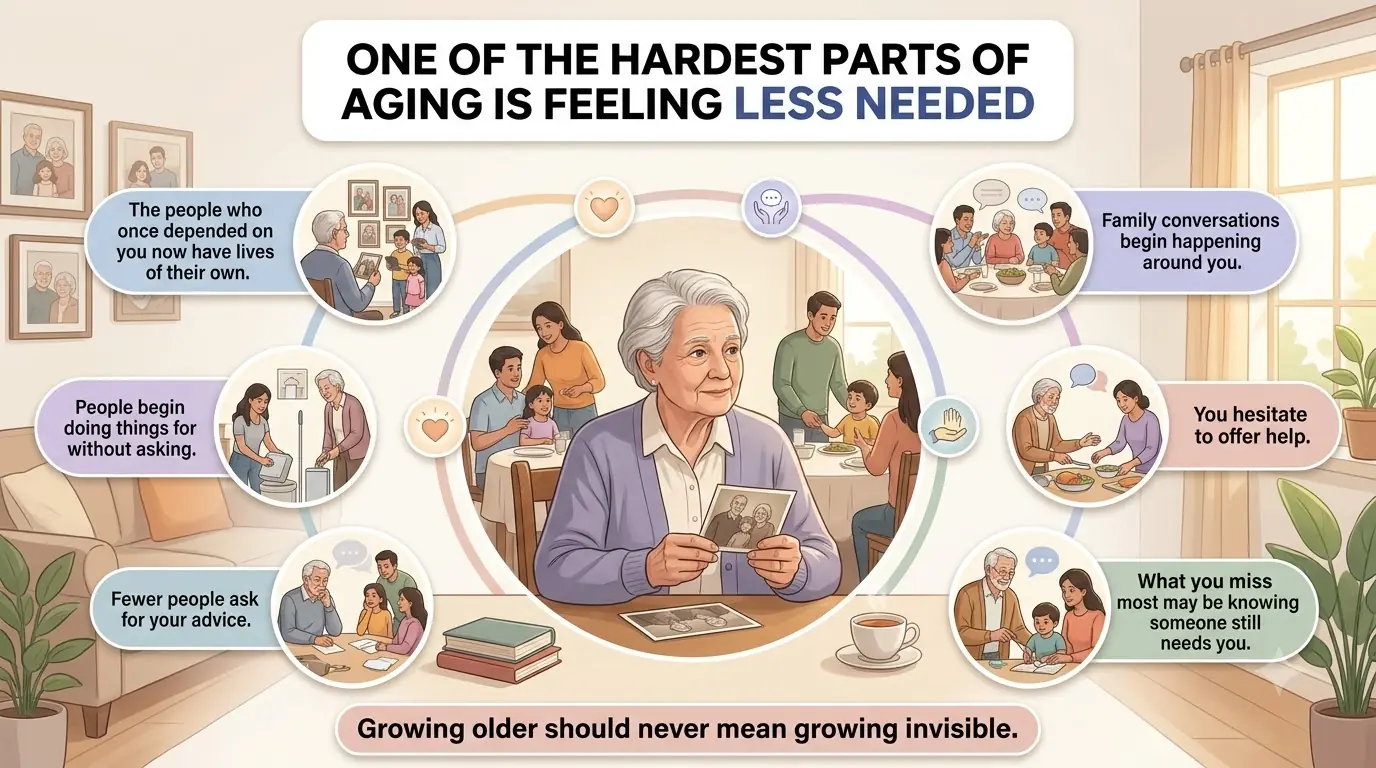
Retirement and increasing dependence can remove roles that once provided purpose.
Someone who spent decades helping children, coworkers, customers, neighbors, or a spouse may suddenly find that everyone is now trying to help them.
Look for genuine opportunities to let older adults contribute.
They might:
- Teach grandchildren something.
- Share a family recipe.
- Help plan a gathering.
- Volunteer.
- Mentor someone.
- Care for plants or pets.
- Share professional knowledge.
- Give advice when it's genuinely wanted.
Feeling useful and feeling connected often reinforce each other.
How Families Can Help Keep the World From Becoming Too Small
The solution isn't necessarily more activities.
Someone can have a packed calendar and still feel lonely.
Instead, focus on meaningful and sustainable connection.
Consider:
- Calling without needing anything.
- Establishing predictable visits.
- Including older relatives in ordinary family activities.
- Helping them maintain longtime friendships.
- Addressing transportation barriers.
- Supporting hobbies they genuinely enjoy.
- Helping with technology if they want to use it.
- Addressing hearing, vision, pain, or mobility problems.
- Asking for their opinions and advice.
- Making future plans they can anticipate.
Most importantly, ask rather than assume.
A simple question such as “Are you getting as much time with other people as you'd like?” can open a conversation that “Are you lonely?” may not.
When Withdrawal May Signal Something More
A preference for solitude isn't a medical problem.
A significant change in someone's behavior can be.
Talk with a healthcare professional if an older adult becomes increasingly withdrawn and also experiences:
- Persistent sadness.
- Hopelessness.
- Loss of interest in favorite activities.
- Significant changes in sleep or appetite.
- Unusual fatigue.
- Difficulty concentrating.
- Memory or personality changes.
- Problems managing everyday activities.
Depression is not an inevitable part of aging.
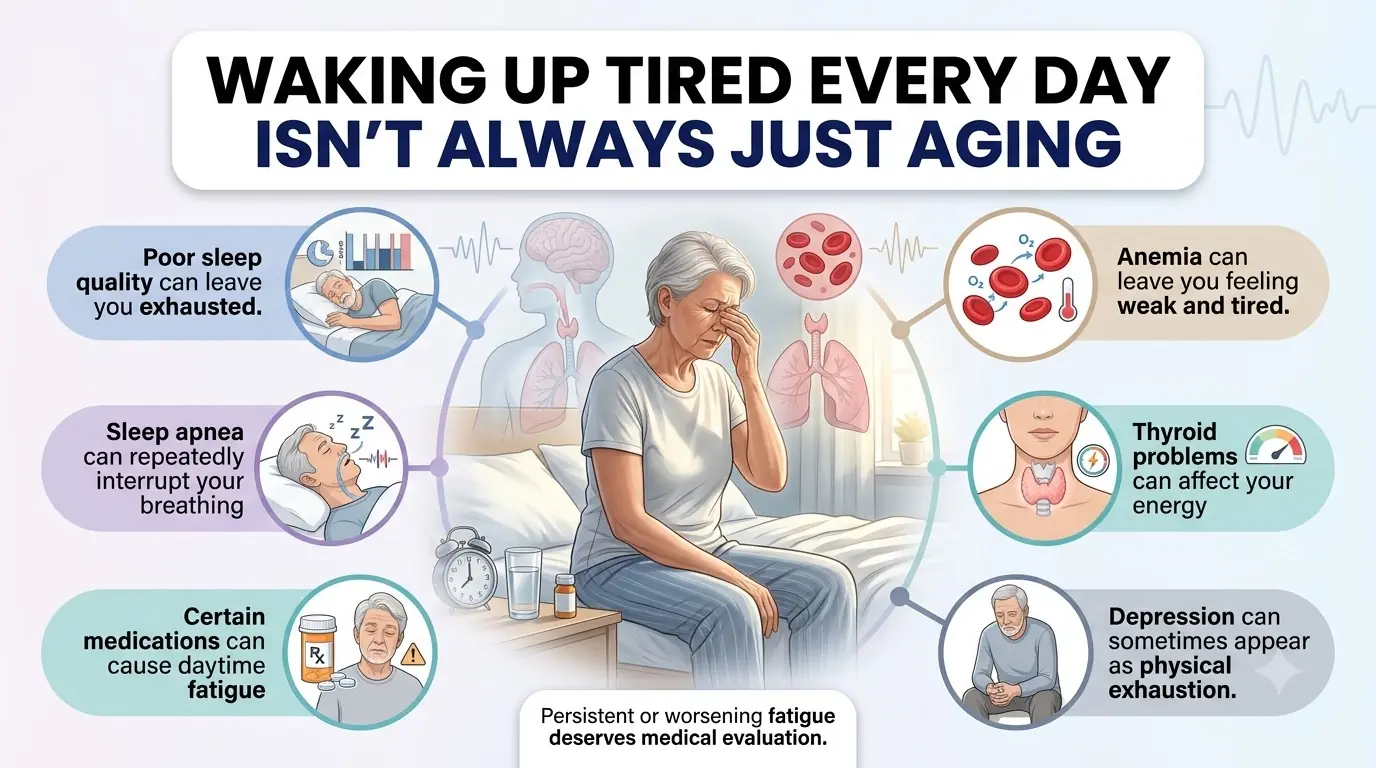
Social withdrawal can also be related to chronic pain, hearing loss, medication effects, cognitive impairment, grief, or other health conditions.
Finding the underlying cause is more useful than simply telling someone to socialize more.
Key Takeaways
- An older adult's social world can gradually shrink as friendships, family routines, mobility, transportation, and everyday activities change.
- Losing longtime friends can also mean losing people who shared decades of memories and experiences.
- Family members may experience time differently from an older person who spends many days alone.
- Mobility and transportation difficulties can create social isolation even when someone still wants companionship.
- An older adult may stop asking for visits because they don't want other people to feel obligated.
- Living alone isn't the same as loneliness, and being surrounded by family doesn't guarantee meaningful connection.
- Hearing loss, grief, physical limitations, and health problems can contribute to social withdrawal.
- Meaningful relationships, purpose, and opportunities to contribute remain important throughout life.
- Significant changes in social behavior or mood deserve attention, particularly when they interfere with everyday life.
Sometimes an older person's world doesn't become smaller because they stopped caring about the outside world. The outside world simply became harder to reach.
Medical Disclaimer
This article is for general educational purposes and is not a substitute for professional medical or mental health advice, diagnosis, or treatment. Social needs vary considerably between individuals, and spending time alone does not necessarily indicate loneliness or depression. If an older adult develops persistent sadness, significant social withdrawal, loss of interest, cognitive changes, or difficulty with everyday functioning, consult a qualified healthcare professional.