Toby’s Recovery After Being Found Exhausted on a Street Corner
Reader Theme:
Font Size:
24px
A shopkeeper found the exhausted dog curled beneath a broken wooden staircase at the corner of a quiet city block.
He had squeezed himself into the narrow space between a brick wall and several discarded pallets. His brindle coat was coated with dust, his ribs showed beneath his skin, and one front paw rested awkwardly across the dirt. Although traffic and pedestrians passed nearby, he no longer seemed to have the strength to move away.
When a rescue volunteer approached with water, the dog followed the bottle with tired eyes but did not stand.
A small bowl was placed near his muzzle. He drank slowly at first, pausing after every few laps as though even swallowing required effort. The volunteer then offered food, but he only smelled it before lowering his head again.
The team began calling him Toby.
Toby showed no aggression when a slip lead was placed around his neck. He tried to rise, but his legs trembled beneath him, and he immediately sank back against the wall. A blanket was used to lift him carefully into the rescue vehicle.
At the veterinary clinic, Toby was found to be severely dehydrated and dangerously underweight. His paws were scraped from walking on rough pavement, and an old wound near his elbow had become inflamed. His gums were unusually pale, raising concern that his weakness involved more than hunger and exhaustion.
Blood tests soon confirmed that Toby was profoundly anemic.
But when the veterinarian examined his abdomen, she noticed swelling and discomfort that could not be explained by dehydration alone. An ultrasound was ordered immediately to determine whether Toby was bleeding internally—and whether his exhausted body could withstand the treatment he might need.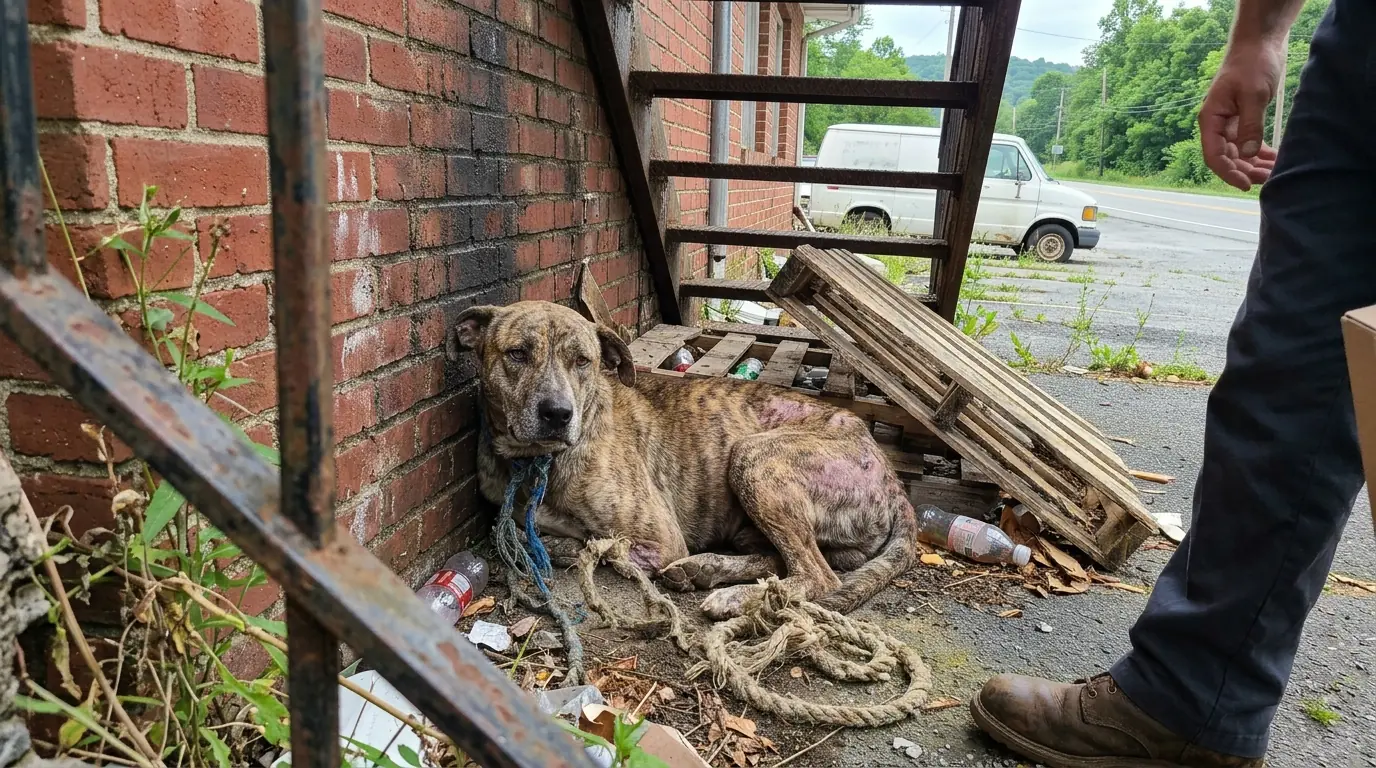
Toby is now resting at the veterinary clinic while the medical team treats the severe weakness that left him unable to stand beneath the staircase.
The ultrasound found no internal bleeding or abdominal mass. The swelling was mainly caused by intestinal inflammation and a heavy parasite burden, which had likely prevented his body from absorbing enough nutrition. Combined with a serious flea infestation, the parasites had contributed to Toby’s anemia and dramatic loss of strength.
His condition was concerning, but he did not require emergency surgery.
During the first 24 hours, Toby received intravenous fluids, medication for nausea, and treatment to begin controlling the parasites. Because his body was so depleted, the veterinary team introduced food cautiously, offering several small portions instead of a full meal.
At first, Toby refused everything except water.
A caregiver placed a small amount of warmed soft food beside his bed and left the room. When she checked again twenty minutes later, several bites were missing. By that evening, Toby had eaten nearly half the portion without assistance.
His anemia is being monitored through repeated blood tests. The team has prepared for a transfusion if his levels fall further, but so far they have remained stable. He is receiving iron and nutritional support while his body begins producing healthy blood cells again.
The inflamed wound near his elbow was cleaned thoroughly. It did not extend into the joint, but pressure from repeatedly lying on hard surfaces had delayed healing. Toby now rests on deep padded bedding, and staff gently reposition him throughout the day so the area remains protected.
For the first two days, he could not stand without help. A padded sling was placed beneath his abdomen during bathroom breaks, allowing him to bear a small amount of weight without collapsing.
On the third morning, Toby pushed himself upright when he heard his food bowl being prepared.
He remained standing for only a few seconds, but it was the first time he had risen without someone lifting him. Later that afternoon, he took four slow steps toward his water bowl before lying down again.
Toby still sleeps for most of the day. He does not show interest in toys, and prolonged handling quickly exhausts him. However, he has stopped shrinking away when caregivers enter the room. He now lifts his head when his regular nurse approaches and occasionally leans his muzzle into her palm while she checks his bandages.
His recovery will not be quick. Toby needs to gain weight gradually, complete treatment for the parasites, and rebuild the muscle he lost while struggling to survive outside. His blood values must also improve before he can leave medical care for a foster home.
For now, progress is measured in small things: finishing a meal, standing for a few seconds, or watching the door when someone familiar enters.
The dog who once lay unnoticed among broken pallets is still weak, but he no longer has to save what little strength he has just to survive. Toby now has a soft bed, regular meals, and people beside him as his body begins to recover.
News in the same category
The Blind Dog Who Refused to Let Go of His Tattered Stuffed Lamb
Bingo Celebrates His First Birthday After Spending an Entire Year at the Shelter
Sam Still Sleeps on the Blanket Left Behind When His Family Moved Away
Big Bear bald eagle Jackie's fight for survival continues as mystery illness remains unknown
Bailey’s Recovery After Being Rescued Last From a House Fire
Bruno’s First 30 Days of Healing After His Rescue
🚨 BREAKING: Wild Coyote Found With Plastic Container Trapped Over Its Head — Dramatic Rescue Highlights the Growing Cost of Human Waste
BREAKING: Young Seal Found Entangled in Fishing Net — Rescue Team's Rapid Response Sparks Hope for Marine Life
Cooper’s Recovery After Arriving at the Shelter on Three Legs
Pip’s Recovery After Being Rescued From a Storm Drain
Sadie’s First Days After Being Found in a Waste Collection Yard
Walter’s Recovery After Being Found Beside a Rainy Highway
Murphy’s First Days at the Shelter After Arriving Covered in Mud
Milo’s Quiet Life at the Shelter After Losing His Owner
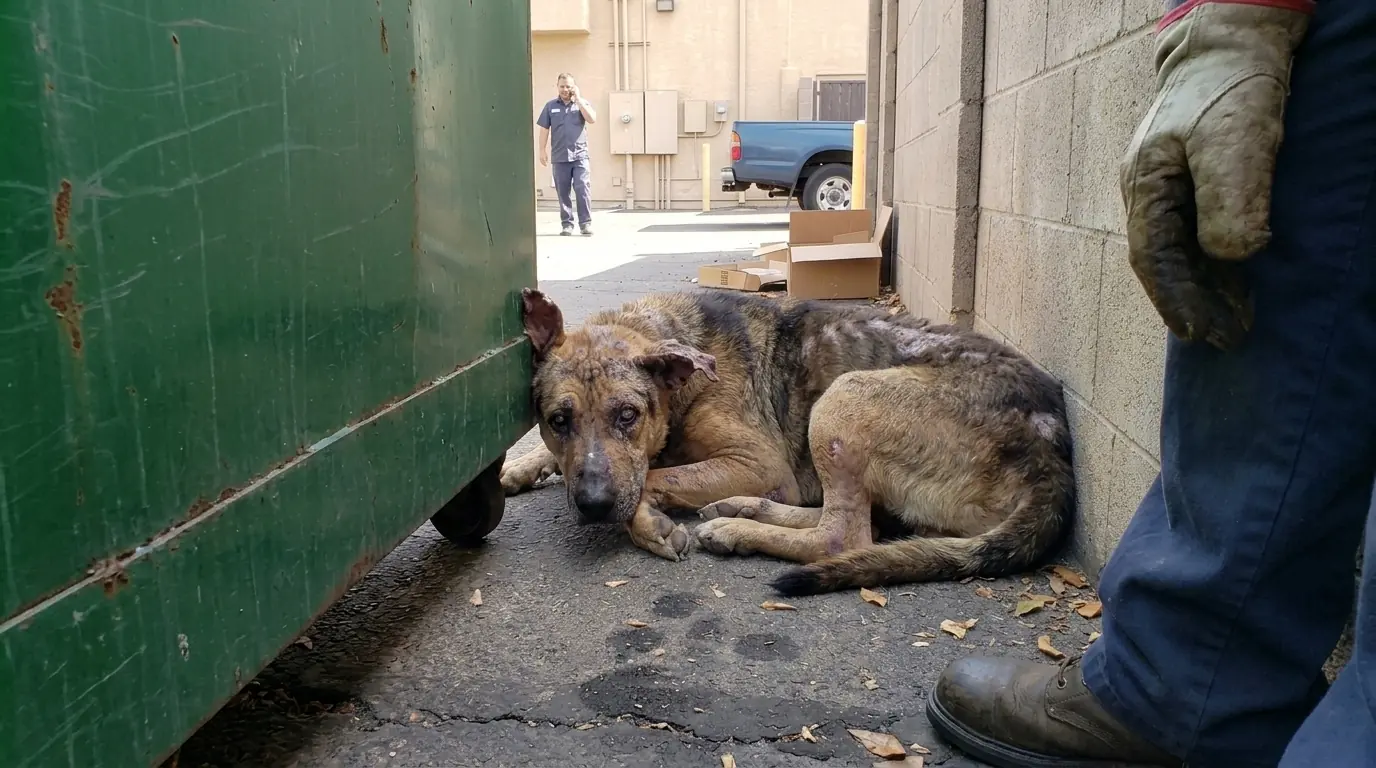
Rusty’s Recovery After Being Found Near a Dumpster
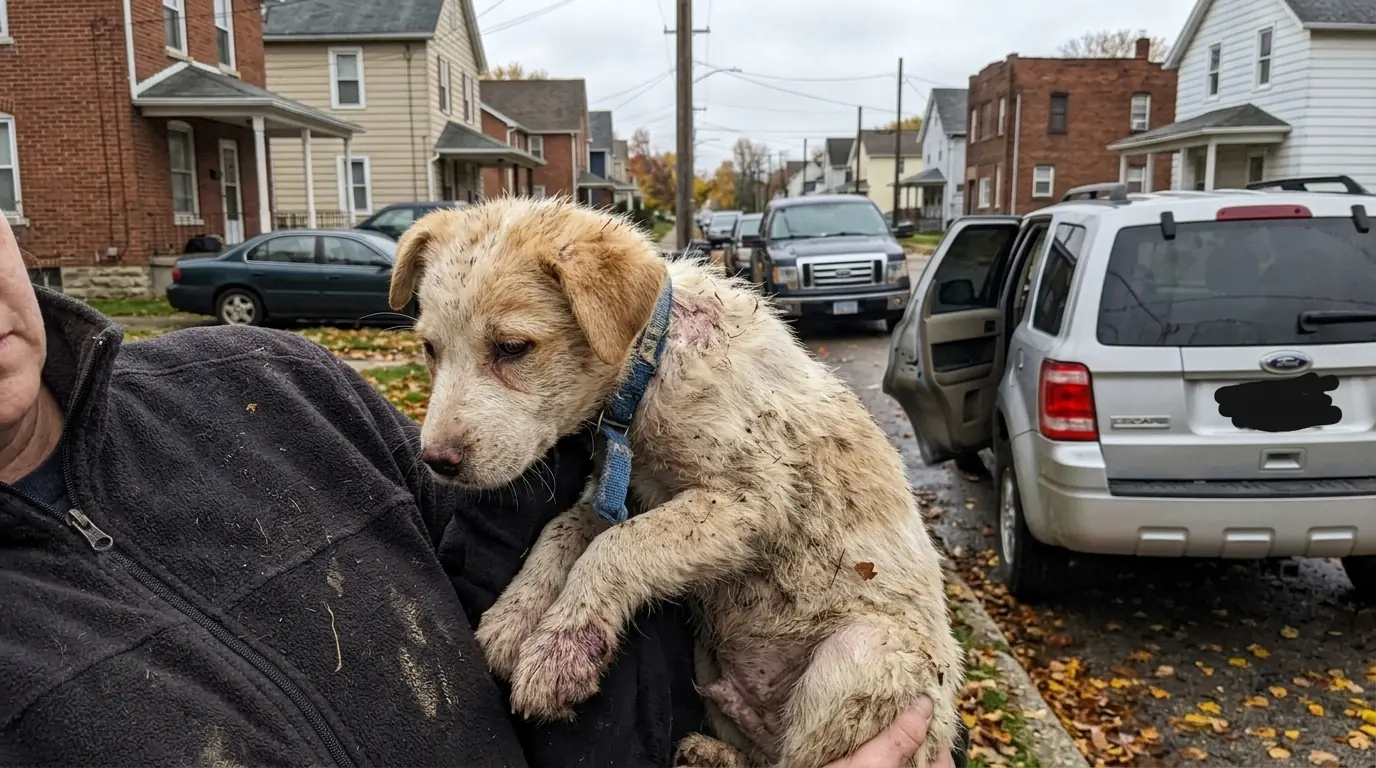
Benny’s Recovery After Being Found on the Street