What Doctors Found After Rinah Could No Longer Hide Her Pain
Reader Theme:
Font Size:
24px
What Doctors Found After Rinah Could No Longer Hide Her Pain
PART 2 — CURRENT CONDITION UPDATE
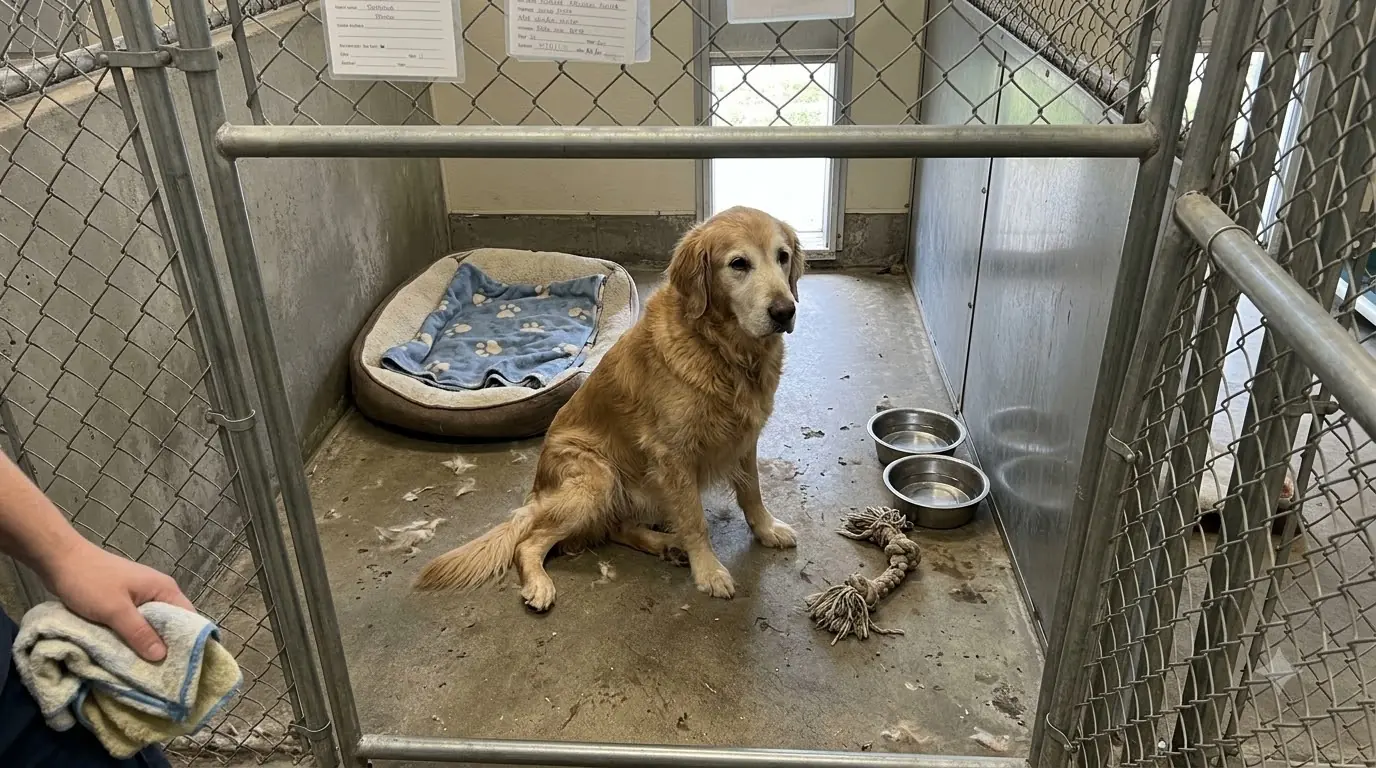
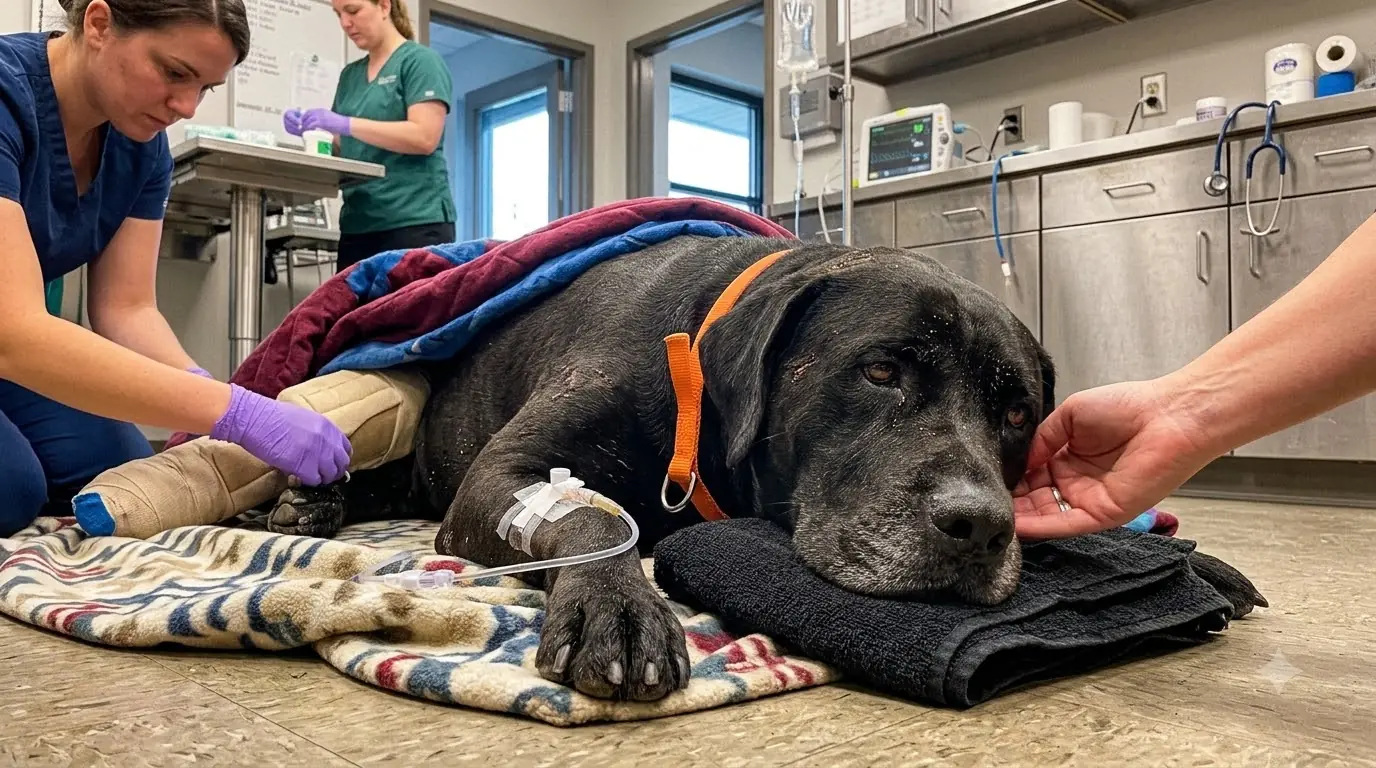
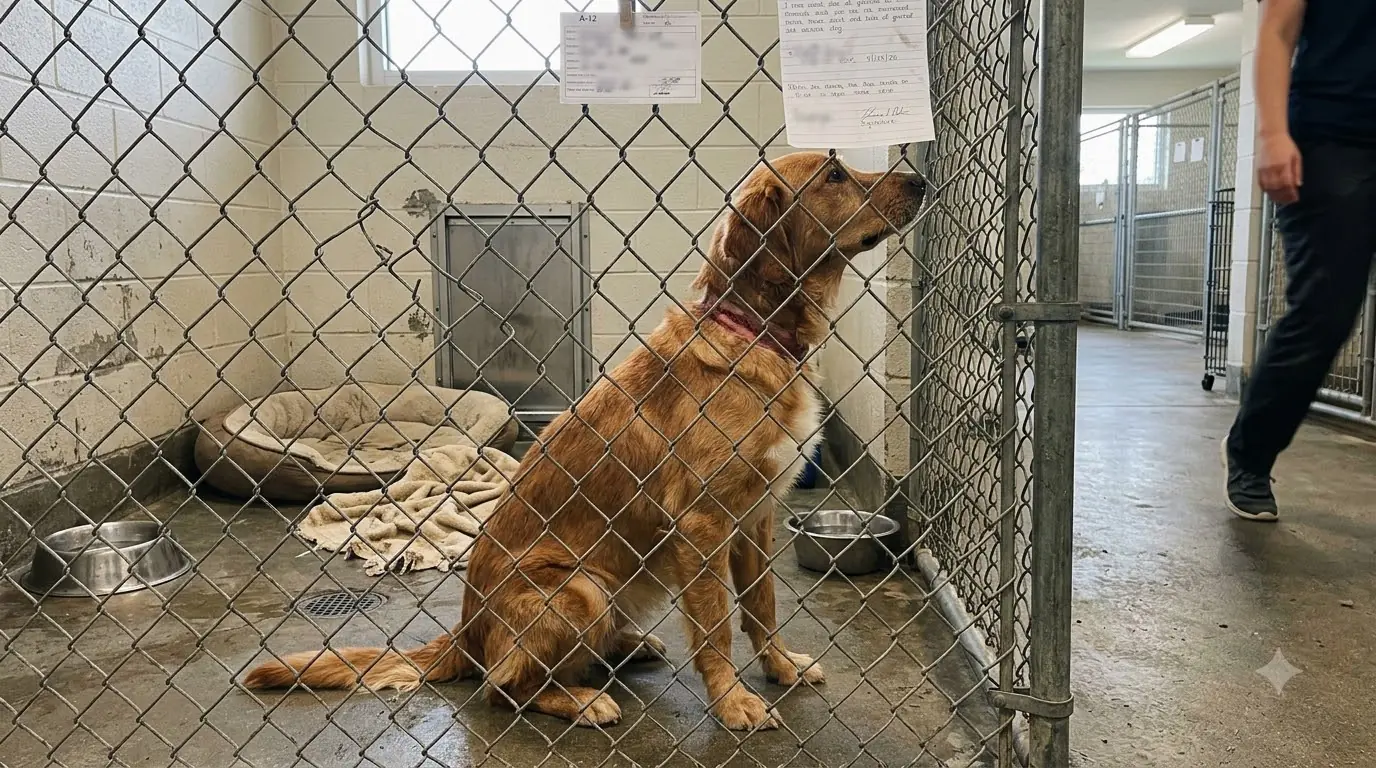
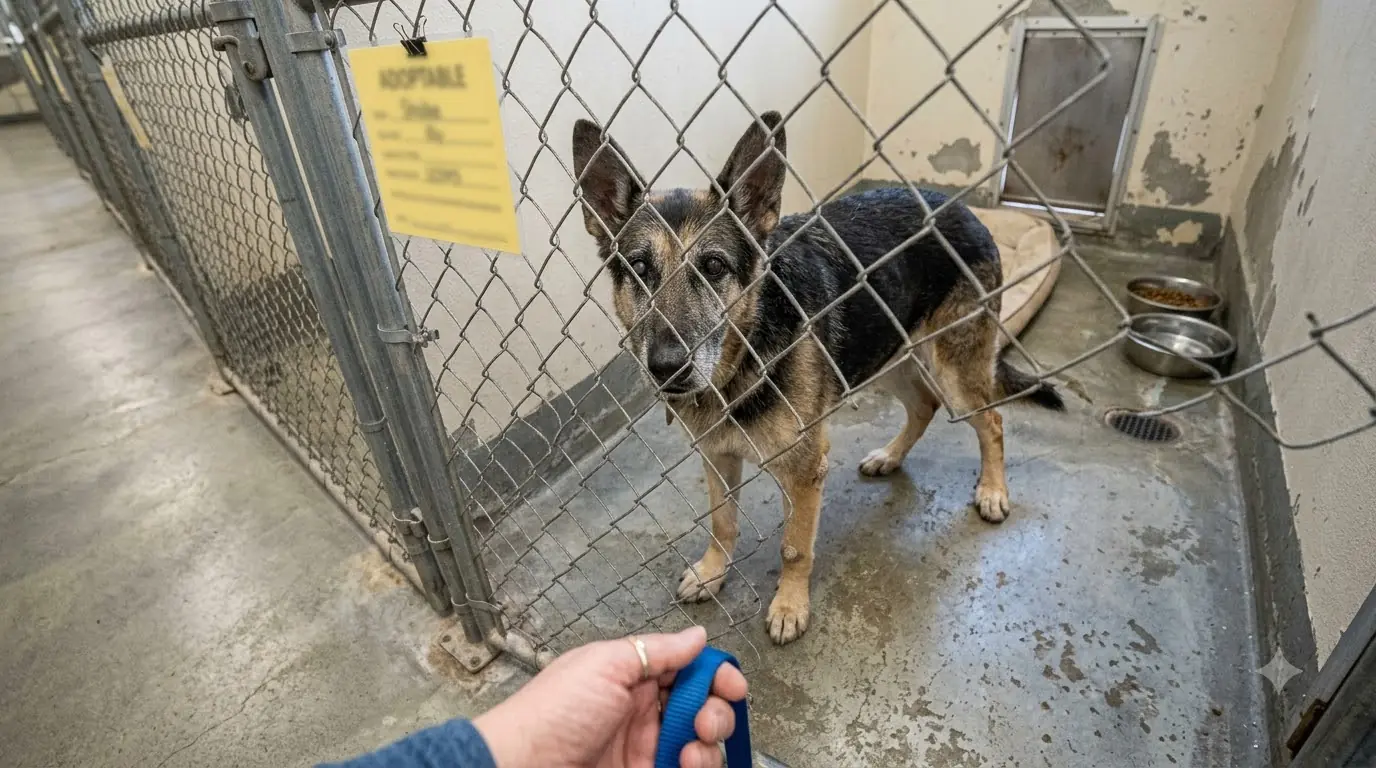
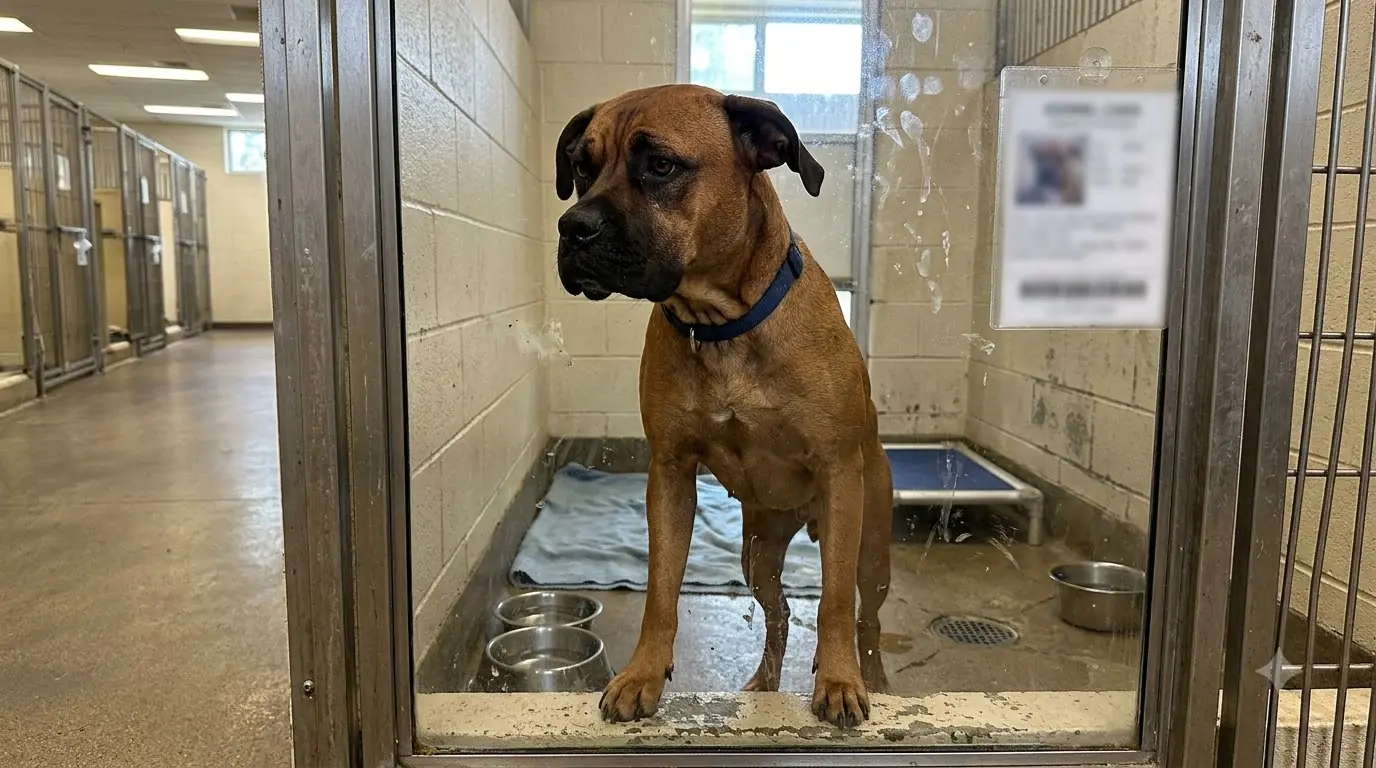
Rinah is now staying in a quiet medical foster home after diagnostic imaging revealed an older injury near her lower spine. The affected area showed inflammation and changes consistent with previous trauma, but there was no complete spinal fracture or mass.
The injury appears to be placing pressure on nerves controlling her left hind leg. This explains why Rinah occasionally drags her toes, hesitates while turning, and struggles to rise after resting.
For now, surgery is not recommended. Rinah has begun a conservative treatment plan that includes pain medication, strict activity control, and gentle rehabilitation. Her foster home has nonslip rugs, a low orthopedic bed, and no stairs.
Her movement is already becoming steadier. She takes several short leash walks each day and can cross the yard without falling, although her left leg tires quickly. A support harness is used when she needs additional balance.
Rinah’s ear infection is also improving with prescribed drops and careful cleaning. Her damaged paw pads are healing, and the veterinary team has treated the most painful broken tooth. Further dental work will wait until she is stronger and less stressed.
She initially refused food unless everyone left the room. Her caregiver began placing warm meals near the covered portion of her recovery pen, then sitting several feet away without watching her. Rinah now eats two full meals each day and drinks normally.
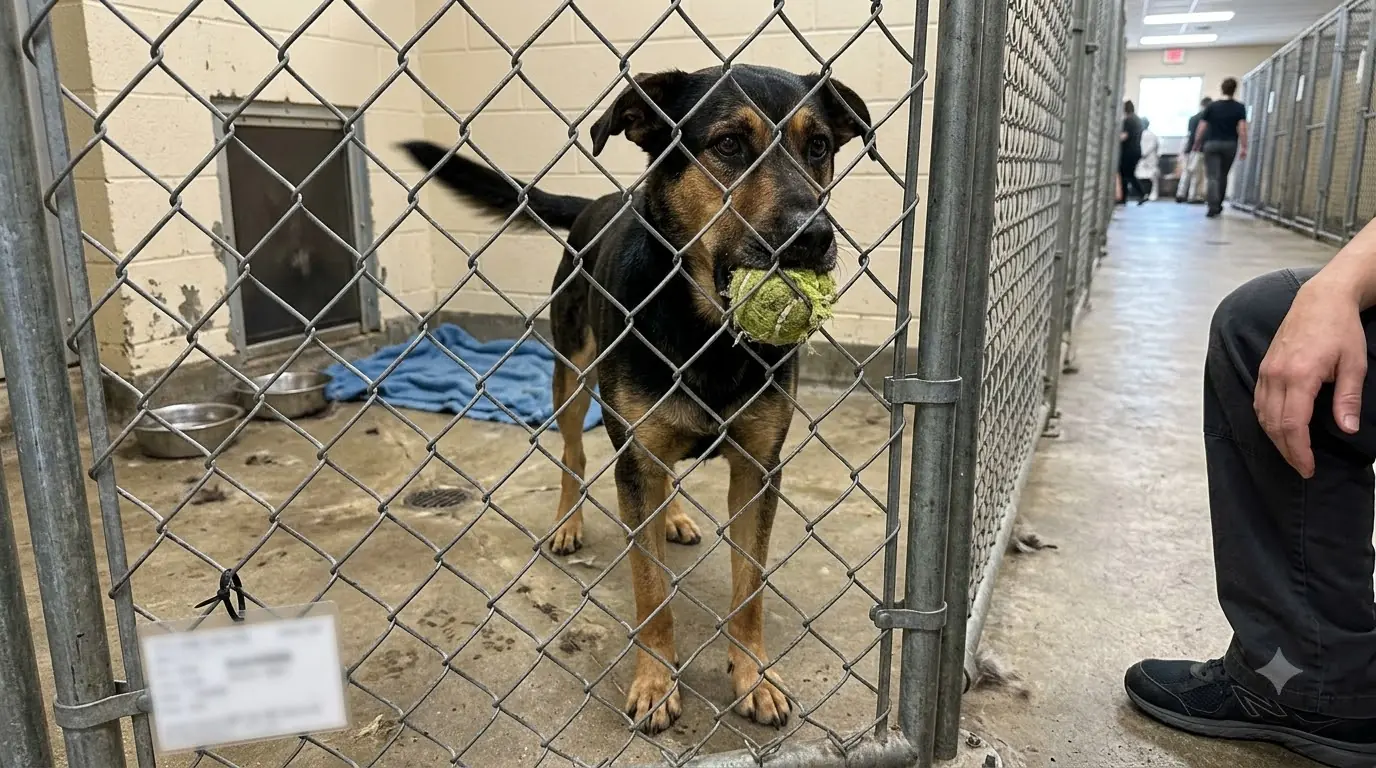
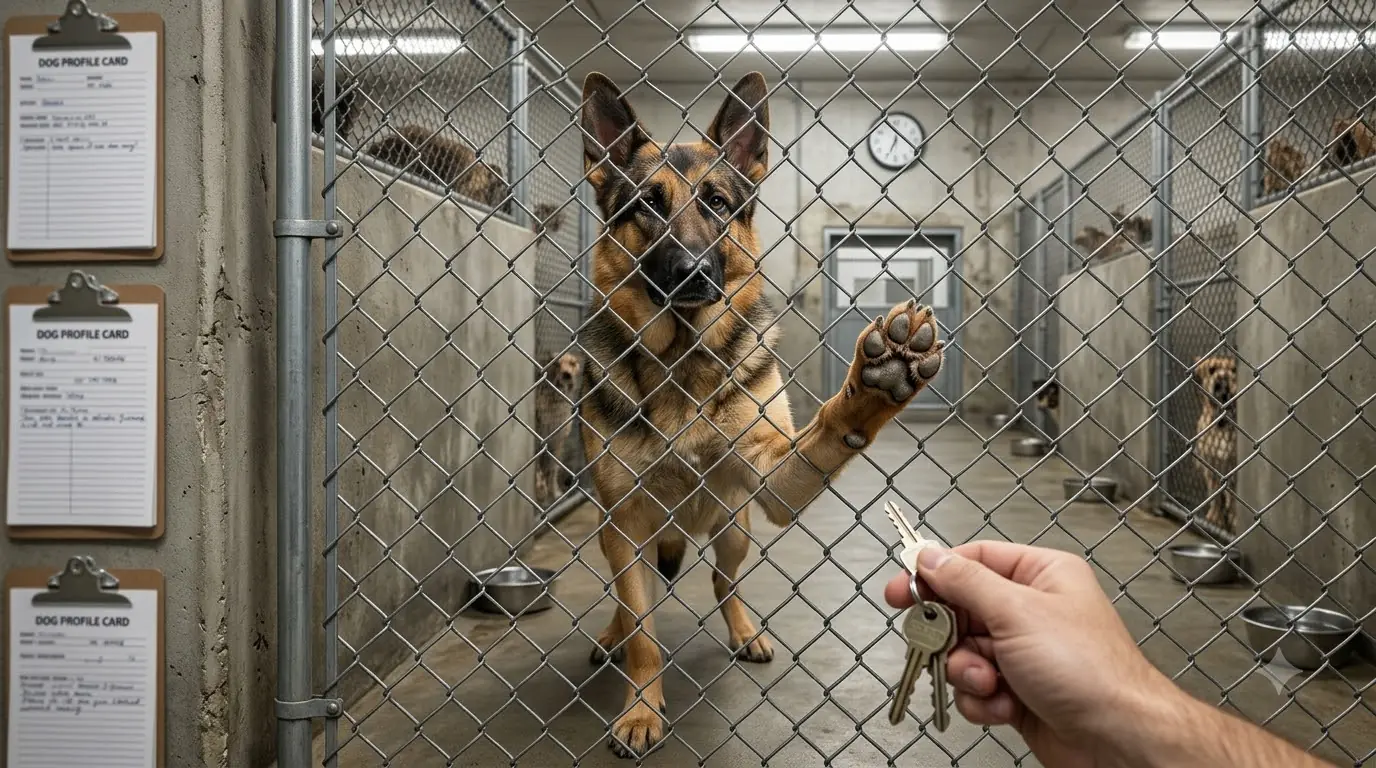
Emotionally, her progress comes in smaller steps. She still startles at sudden noises and retreats when unfamiliar people enter. However, she no longer spends the entire day pressed against a wall.
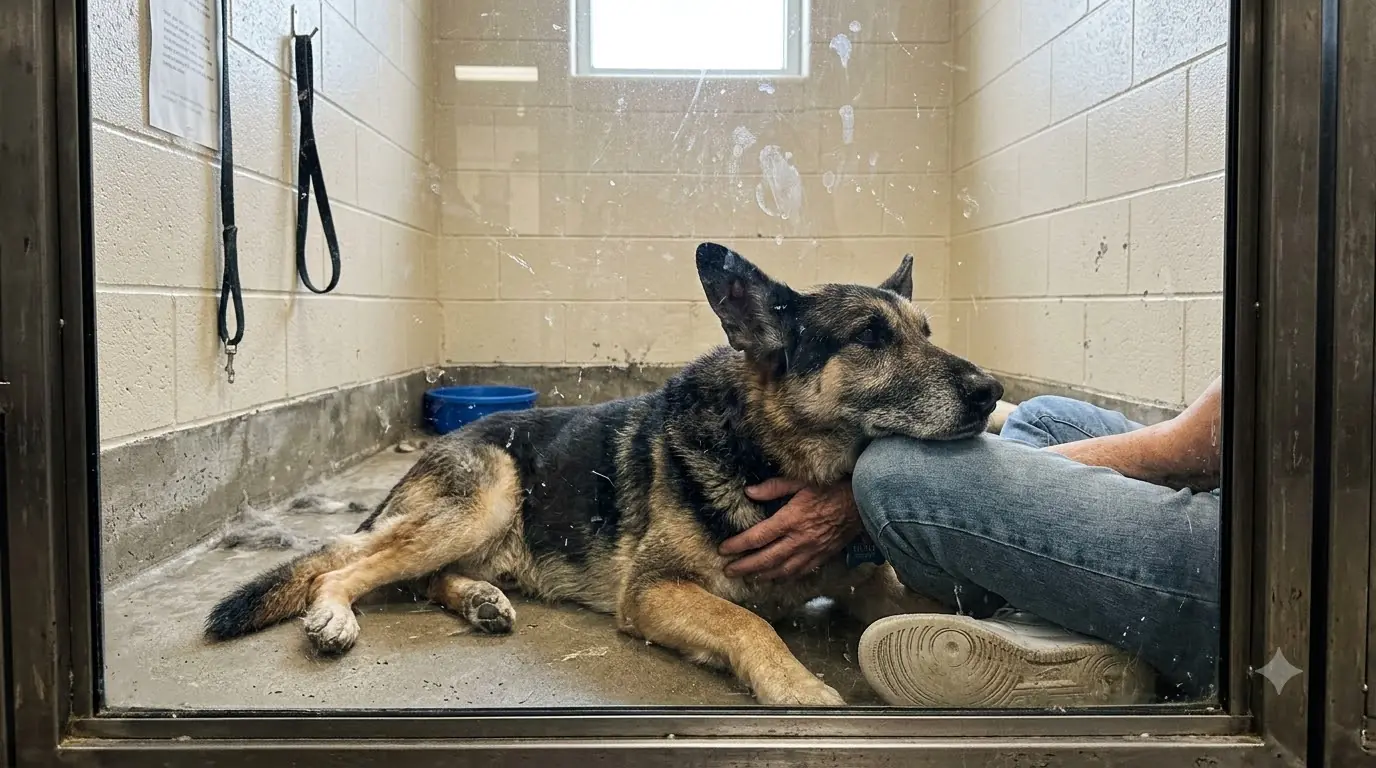
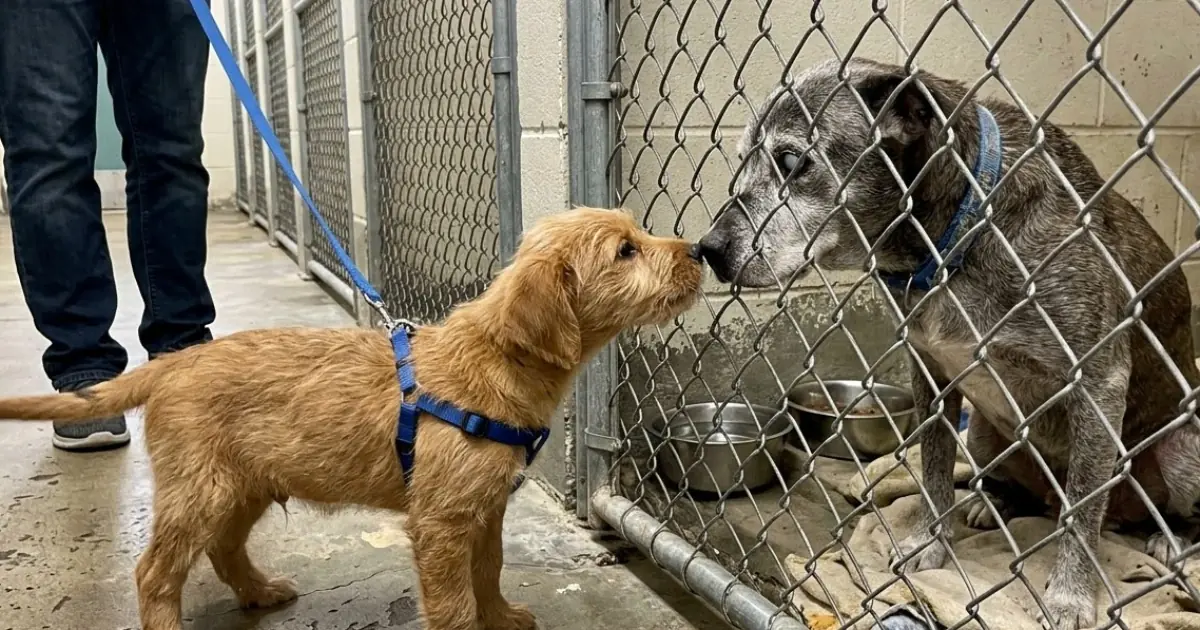
On her fifth night in foster care, Rinah left her bed and approached the caregiver sitting on the floor. She smelled the woman’s sleeve, rested her chin briefly on one knee, and then lay down beside her.
Her foster family never forces physical contact. Visitors ignore her until she chooses to approach, and every part of her routine—meals, medication, walks, and bedtime—happens at predictable times.
Rinah will return for another neurological examination after several weeks of rehabilitation. If her leg becomes weaker, painful, or unable to support weight, advanced imaging and surgery may need to be reconsidered.
Today, she can stand without trembling, finish a meal while her caregiver remains nearby, and sleep without waking at every sound. Rinah is not yet ready for adoption, but time is no longer running out for her.
For the first time, it is being given back to her.