WHAT YOUR WALKING SPEED CAN REVEAL ABOUT YOUR HEALTH
Reader Theme:
Font Size:
24px
WHAT YOUR WALKING SPEED CAN REVEAL ABOUT YOUR HEALTH
The way you walk can reveal more about your health than you might expect. Walking requires your muscles, joints, nerves, balance system, heart, lungs, and brain to work together. When one of these systems begins functioning less effectively, your walking speed may gradually change.
A slower pace isn't automatically a sign that something is wrong. People naturally walk at different speeds, and walking may become somewhat slower with age. What matters more is a noticeable change from your usual ability, particularly when it develops without an obvious explanation or begins interfering with everyday activities.
For older adults, healthcare professionals sometimes use walking speed as one piece of information when assessing mobility and overall physical function. Paying attention to changes can help identify problems before they lead to greater weakness, inactivity, or falls.
Why Does Walking Speed Matter?
Walking looks simple, but it is actually a complex physical task.
Every step requires coordination between:
-
Muscles in the legs and core.
-
Bones and joints.
-
Sensory nerves.
-
Vision.
-
Balance systems in the inner ear.
-
The brain and spinal cord.
-
The heart and lungs.
If any part of this system becomes impaired, walking may become slower or less stable.
This is why a change in walking speed isn't a diagnosis by itself. Instead, it can be a useful clue that something affecting mobility deserves attention.
1. Walking More Slowly Can Reflect Declining Muscle Strength
Muscle mass and strength tend to decline with age unless they're actively maintained.
Age-related loss of muscle mass and function is often referred to as sarcopenia.
The muscles of the legs, hips, and core are particularly important for walking. They help propel the body forward, stabilize the pelvis, maintain posture, and prevent falls.
When these muscles become weaker, you may notice:
-
Walking more slowly.
-
Difficulty climbing stairs.
-
Trouble standing up from a chair.
-
Needing more frequent breaks.
-
Difficulty carrying groceries.
-
Feeling less confident while walking.
The change may happen gradually enough that you don't immediately recognize it.
One practical clue is whether people you normally walk with have started moving noticeably faster than you.
Regular resistance exercise can help preserve muscle strength and physical function throughout later life.
2. Joint Pain Can Gradually Change the Way You Walk
Painful joints can significantly affect walking speed.
Arthritis involving the knees, hips, ankles, or feet may cause people to unconsciously modify their gait to avoid discomfort.
You may:
-
Take shorter steps.
-
Spend less time putting weight on one leg.
-
Walk more slowly.
-
Avoid stairs.
-
Begin using furniture or railings for support.
This can create a difficult cycle.
Pain leads to less movement. Less movement can contribute to muscle weakness and stiffness. Those changes can then make physical activity even harder.
Joint pain shouldn't simply be dismissed as something everyone must accept with age.
Depending on the cause, appropriate exercise, physical therapy, weight management when relevant, medications, assistive devices, or other treatments may help maintain mobility.
3. Poor Balance May Cause You to Shorten Your Steps
When people feel unstable, they often change how they walk without consciously deciding to do so.
They may take shorter, slower steps because doing so feels safer.
You might also notice:
-
Looking down frequently while walking.
-
Reaching for walls or furniture.
-
Hesitating before stepping off curbs.
-
Difficulty turning quickly.
-
Feeling unstable on uneven ground.
-
Becoming more cautious on stairs.
Balance depends on information from the eyes, inner ears, muscles, joints, nerves, and brain.
Vision problems, certain medications, inner-ear disorders, muscle weakness, and neurological conditions can all contribute to instability.
A fear of falling can also reduce confidence and cause someone to walk more cautiously.
Unfortunately, avoiding activity because of that fear can eventually contribute to further weakness.
Appropriate balance and strength exercises may help interrupt this cycle.
4. Numbness in the Feet Can Make Walking Less Stable
Your feet do much more than support your body.
Sensory nerves constantly tell your brain where your feet are and what kind of surface you're standing on.
When sensation decreases, walking can become more difficult.
Peripheral neuropathy—damage to nerves outside the brain and spinal cord—can cause:
-
Numbness.
-
Tingling.
-
Burning sensations.
-
Reduced awareness of foot position.
-
Problems with balance.
Diabetes is one common cause of peripheral neuropathy, although many other conditions can also damage nerves.
Someone with significant numbness may rely more heavily on vision to know where their feet are.
Walking can therefore become particularly difficult in darkness or on uneven surfaces.
Persistent numbness or tingling in the feet should be evaluated by a healthcare professional rather than assumed to be normal aging.
5. Heart or Lung Problems Can Make You Slow Down
Sometimes the legs aren't the primary reason someone begins walking more slowly.
Your muscles require oxygen during physical activity. The heart must pump oxygen-rich blood throughout the body, while the lungs bring oxygen into the bloodstream.
If heart or lung function is impaired, ordinary walking may become much more demanding.
You may notice:
-
Shortness of breath.
-
Unusual fatigue.
-
Needing frequent breaks.
-
Difficulty walking uphill.
-
Reduced ability to keep up with others.
-
Chest discomfort during exertion.
A gradual decline in endurance may be easy to overlook because people naturally adapt.
Someone may start avoiding stairs, parking closer to entrances, or walking shorter distances without realizing how much their activity has changed.
New or worsening shortness of breath during ordinary activity deserves medical evaluation.
Chest pressure or pain during exertion should never be ignored.
6. An Unexplained Decline in Mobility Deserves Attention
Perhaps the most important warning sign isn't a particular walking speed.
It's change.
If someone who previously walked comfortably begins moving substantially slower over several weeks or months, there may be an underlying reason.
Possible contributors include:
-
Muscle loss.
-
Arthritis.
-
Medication side effects.
-
Anemia.
-
Heart or lung disease.
-
Peripheral neuropathy.
-
Balance disorders.
-
Neurological conditions.
-
Recovery from illness.
-
Physical inactivity.
Sometimes several factors occur simultaneously.
For example, an older adult may develop knee pain, begin walking less because of the discomfort, lose leg strength, and eventually become even slower.
Identifying the original problem can help prevent this downward cycle.
Walking Speed and Healthy Aging
Healthcare professionals sometimes measure gait speed, another term for walking speed, when evaluating older adults.
The test may involve timing how long someone takes to walk a short distance at their normal pace.
Walking speed can provide information about functional ability because walking depends on so many different body systems.
However, a single measurement shouldn't be interpreted in isolation.
Height, age, pain, medications, neurological conditions, cardiovascular health, recent illness, and many other factors can influence performance.
What's often especially useful is tracking changes over time.
A noticeable decline may prompt healthcare professionals to investigate why mobility is worsening.
Watch for Other Changes in Everyday Movement
Walking speed isn't the only clue.
Pay attention if you or an older loved one increasingly struggles with:
-
Standing up from a chair.
-
Climbing stairs.
-
Carrying groceries.
-
Getting into or out of a car.
-
Walking across a parking lot.
-
Maintaining balance while turning.
-
Recovering after a stumble.
These everyday tasks provide useful information about strength, balance, endurance, and independence.
Gradual changes are particularly easy to overlook because people naturally modify their routines to compensate.
The Danger of the Inactivity Cycle
One of the biggest threats to mobility is a cycle that can begin surprisingly quietly.
A person feels weaker or less steady.
They walk less because movement feels difficult.
Reduced activity leads to additional muscle loss and poorer conditioning.
Walking becomes even harder.
They reduce activity further.
Over time, this cycle can threaten independence.
The solution isn't to force someone into unsafe activity. Instead, the goal is to identify what's limiting movement and develop an appropriate plan for maintaining or rebuilding physical function.
How to Maintain Walking Ability After 60
Several habits can support mobility as you age.
Stay Physically Active
Regular movement helps maintain cardiovascular fitness, muscle function, joint mobility, and coordination.
Walking itself can be valuable, but it shouldn't necessarily be the only form of exercise.
Include Strength Training
Resistance exercises help maintain the muscles needed for standing, climbing stairs, and walking.
Depending on your abilities, exercises may involve weights, resistance bands, machines, or body weight.
Practice Balance
Balance-focused activities can help improve stability and confidence.
Tai chi and professionally designed balance exercises may be useful for some older adults.
Address Pain
Don't simply stop moving because your joints hurt.
Talk with a healthcare professional about the cause and appropriate treatment.
Check Your Vision
Good vision helps identify obstacles, changes in surface height, and potential fall hazards.
Regular eye examinations become increasingly important with age.
Wear Appropriate Footwear
Supportive shoes that fit properly can improve comfort and stability.
Foot pain should also be addressed rather than ignored.
When Physical Therapy May Help
A physical therapist can evaluate strength, balance, flexibility, gait, and functional mobility.
Physical therapy may be particularly useful if you:
-
Have recently fallen.
-
Feel increasingly unsteady.
-
Are recovering from surgery or illness.
-
Have persistent joint pain.
-
Have become significantly weaker.
-
Have difficulty walking safely.
Rather than simply telling someone to “exercise more,” a physical therapist can develop exercises appropriate for their abilities and limitations.
Who Should Pay Particular Attention to Walking Changes?
Mobility changes deserve additional attention among people who:
-
Have experienced falls.
-
Have diabetes or peripheral neuropathy.
-
Have arthritis.
-
Take multiple medications.
-
Have cardiovascular or lung disease.
-
Have neurological conditions.
-
Have significant vision problems.
-
Have recently been hospitalized.
-
Have become increasingly inactive.
A sudden decline is particularly important and should not be dismissed as normal aging.
When Should You See a Doctor?
Talk with a healthcare professional if you notice:
-
A persistent unexplained decrease in walking speed.
-
Increasing difficulty performing everyday activities.
-
Frequent stumbling or falls.
-
New numbness or weakness.
-
Significant joint pain.
-
Shortness of breath during ordinary activity.
-
Increasing problems with balance.
A healthcare provider may review medications, examine your strength and neurological function, assess your heart and lungs, and recommend blood tests or other evaluation depending on your symptoms.
When Walking Changes May Be an Emergency
Seek immediate medical attention if walking suddenly becomes difficult, particularly if the change occurs with:
-
Weakness or numbness on one side of the body.
-
Facial drooping.
-
Difficulty speaking.
-
Sudden severe dizziness or loss of balance.
-
New confusion.
-
Sudden vision changes.
These symptoms can occur with stroke and require emergency treatment.
Chest pain, severe shortness of breath, or fainting during physical activity also requires urgent medical attention.
Key Takeaways
-
Walking speed reflects the combined function of muscles, joints, nerves, balance, heart, lungs, and brain.
-
A gradual decline in muscle strength can make walking noticeably slower.
-
Arthritis and other painful joint conditions may change your gait and reduce activity.
-
Poor balance can cause shorter, more cautious steps.
-
Numbness in the feet can reduce stability by limiting sensory information.
-
Heart and lung conditions can reduce walking endurance even when the legs themselves are healthy.
-
A noticeable change from your normal walking ability is often more important than a particular walking speed.
-
Strength training, regular activity, balance exercises, and treatment of underlying medical problems can help preserve mobility.
-
Sudden difficulty walking can indicate a medical emergency and requires immediate attention.
Medical Disclaimer
This article is for educational purposes only and is not a substitute for professional medical advice, diagnosis, or treatment. Walking speed and mobility can change for many reasons, including normal variation, pain, muscle weakness, medication effects, cardiovascular disease, neurological disorders, and other medical conditions. If you notice a persistent or unexplained decline in walking ability, consult a qualified healthcare professional. Sudden difficulty walking, especially with new neurological symptoms, requires emergency medical attention.
News in the same category
YOUR KIDNEYS CAN LOSE FUNCTION WITHOUT OBVIOUS WARNING SIGNS
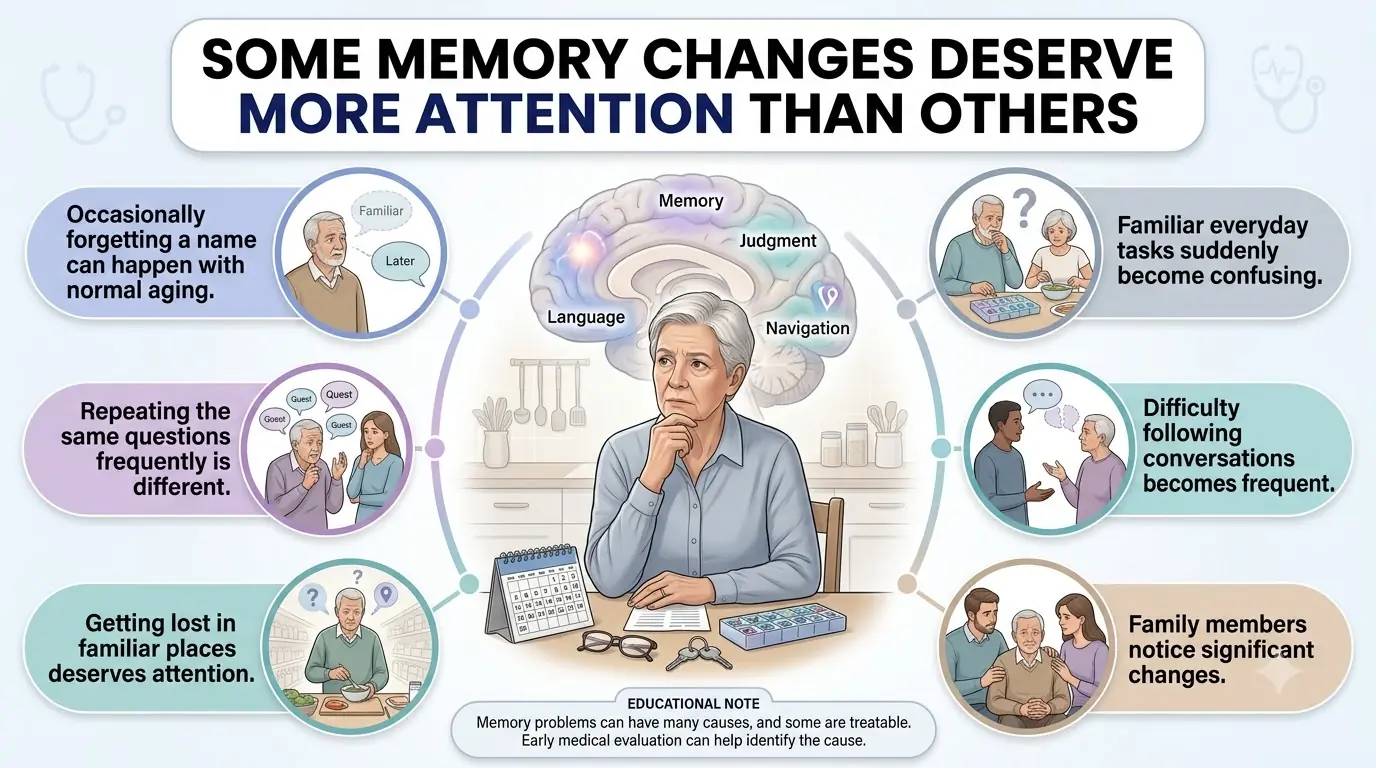
SOME MEMORY CHANGES DESERVE MORE ATTENTION THAN OTHERS
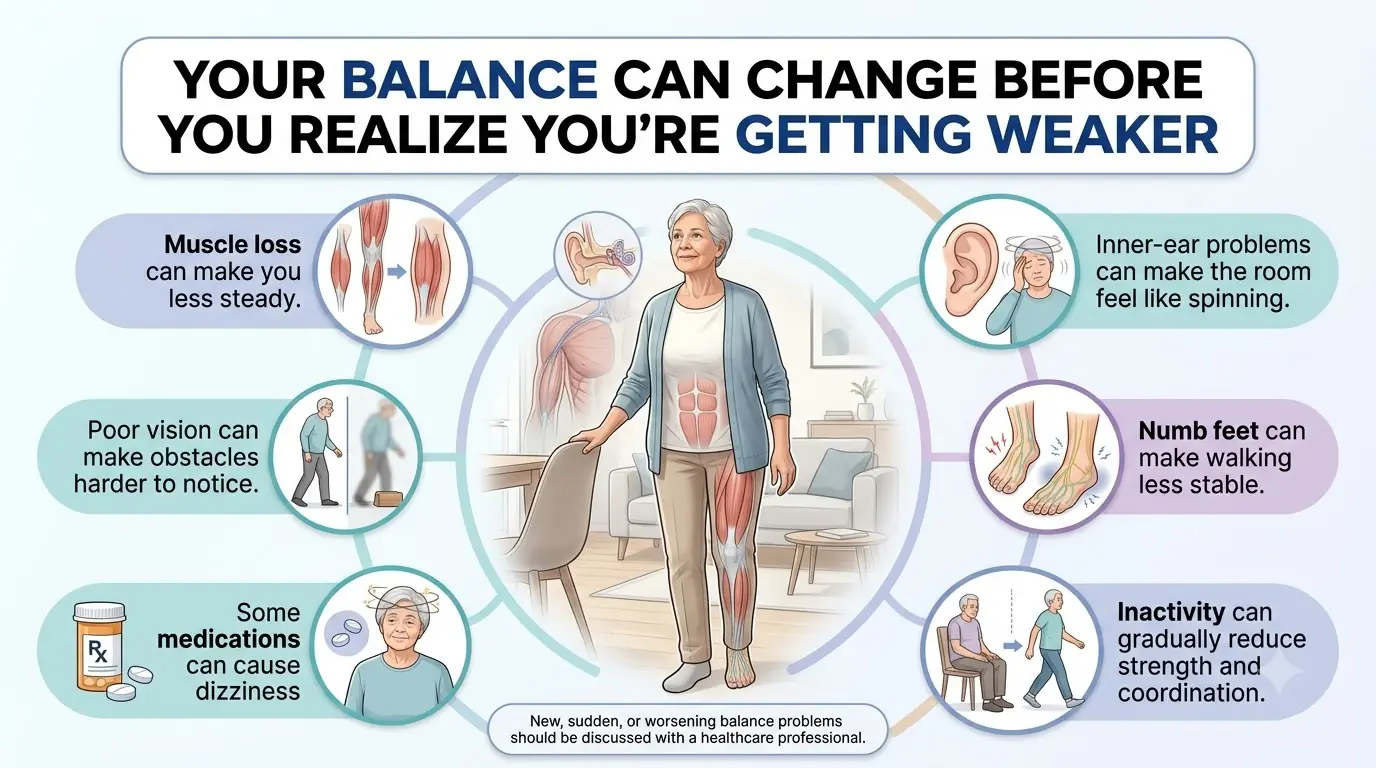
YOUR BALANCE CAN CHANGE BEFORE YOU REALIZE YOU’RE GETTING WEAKER
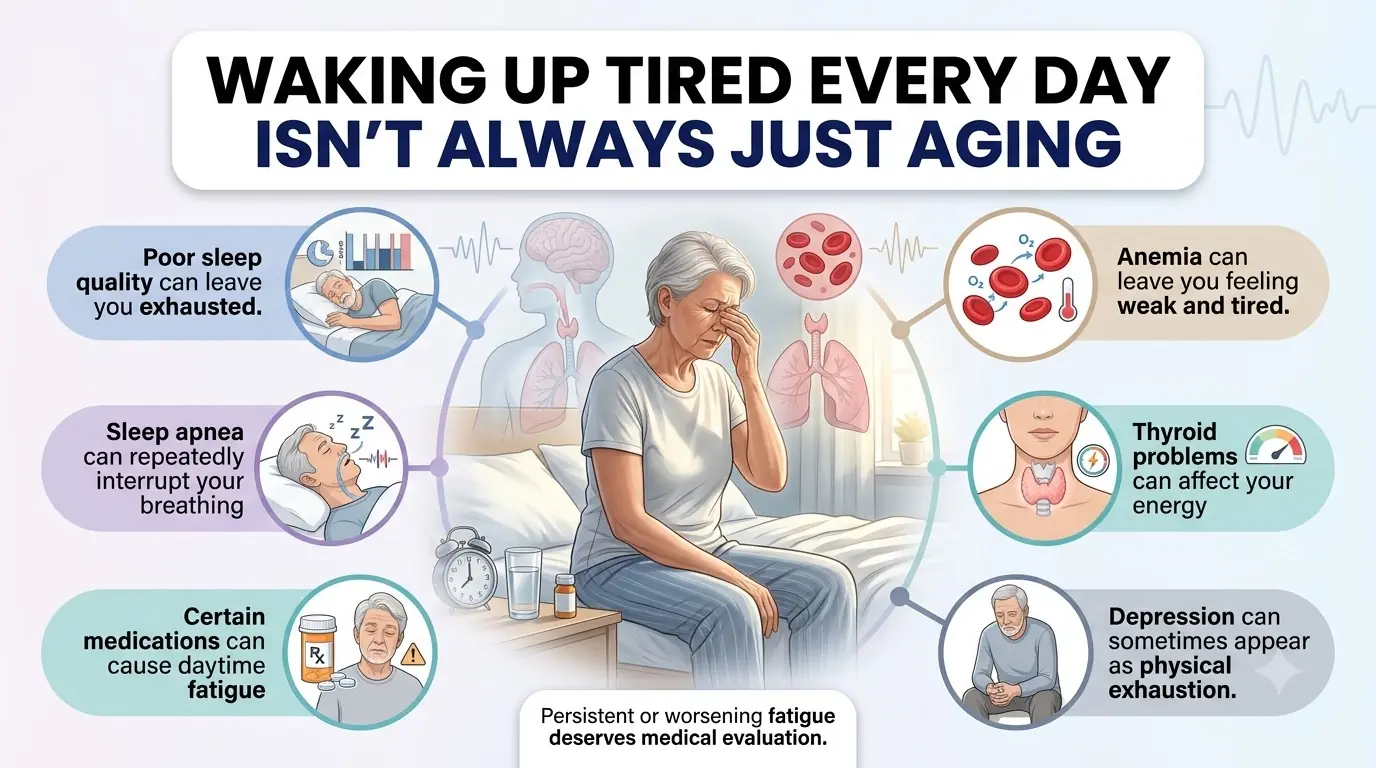
WAKING UP TIRED EVERY DAY ISN’T ALWAYS JUST AGING
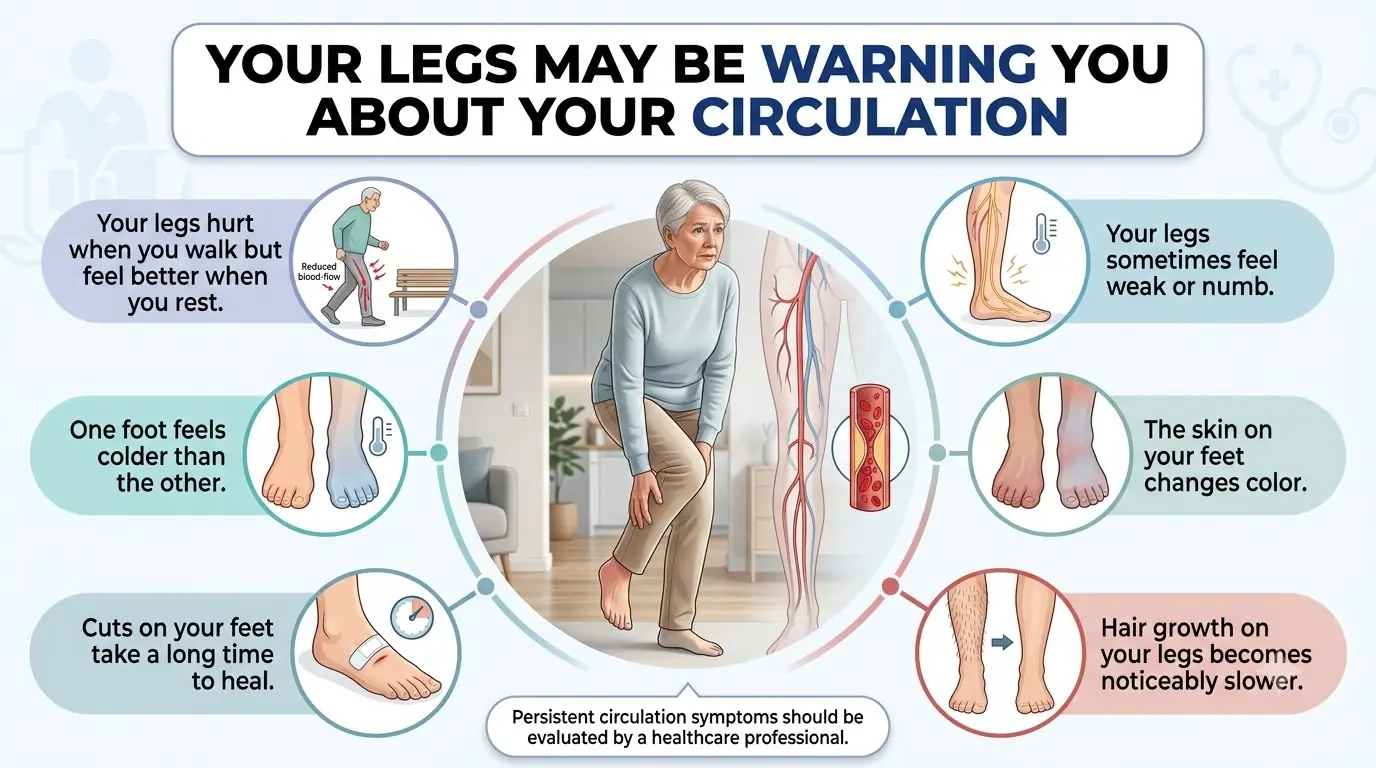
YOUR LEGS MAY BE WARNING YOU ABOUT YOUR CIRCULATION
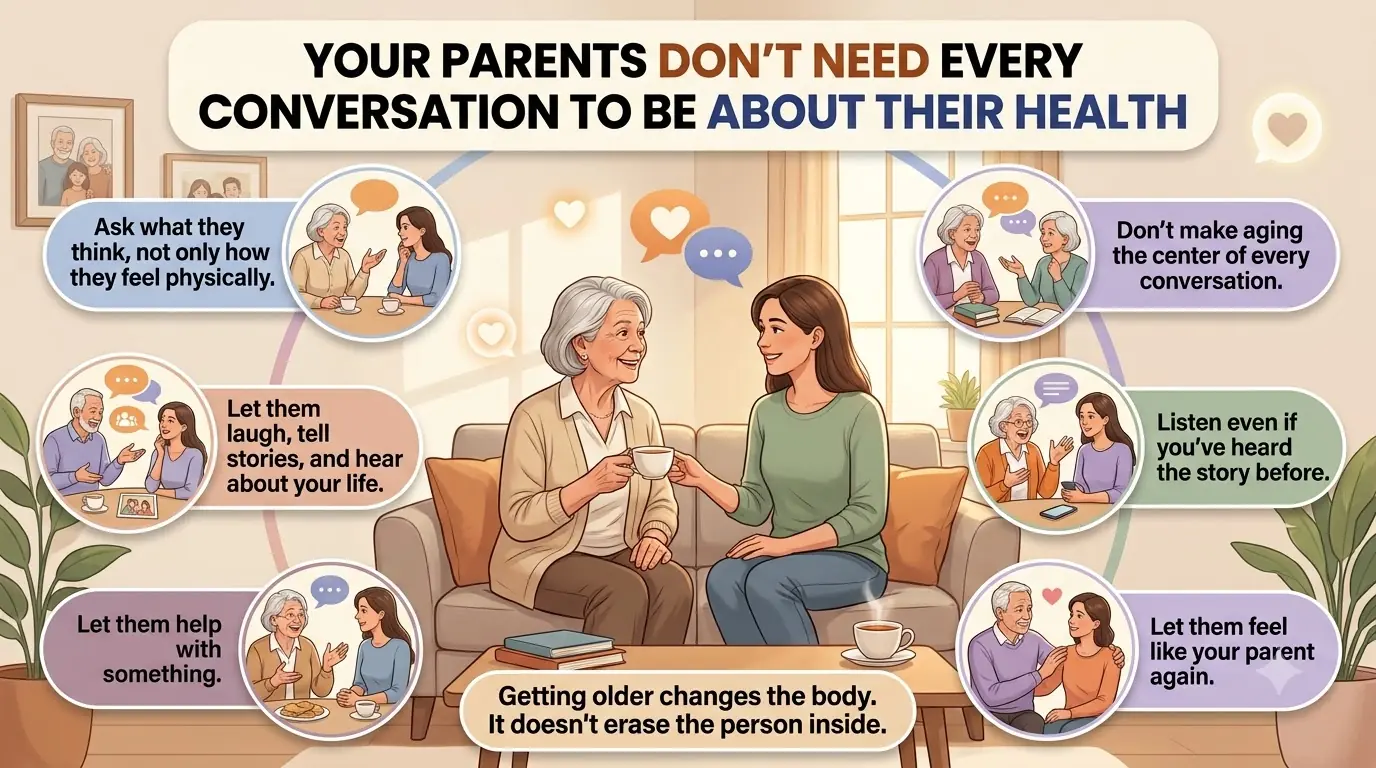
YOUR PARENTS DON'T NEED EVERY CONVERSATION TO BE ABOUT THEIR HEALTH
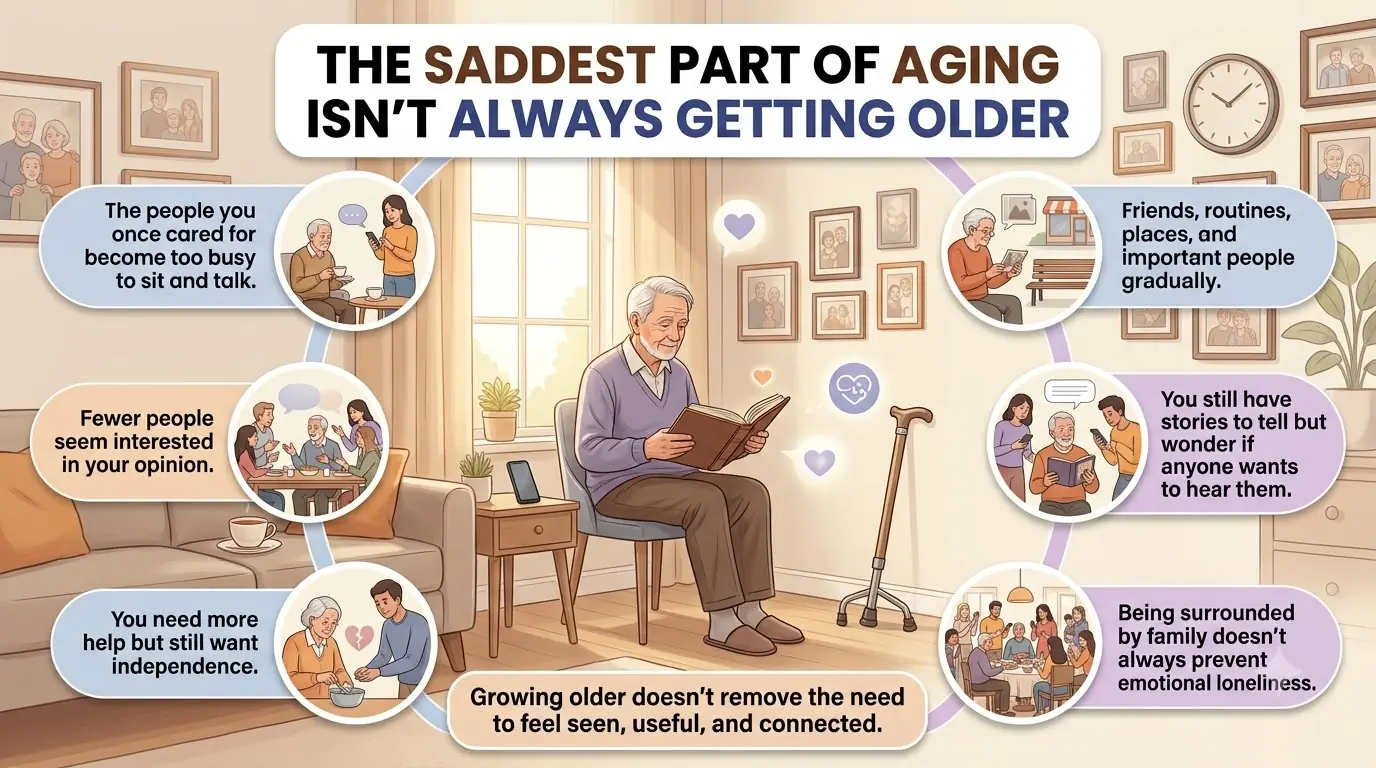
THE SADDEST PART OF AGING ISN'T ALWAYS GETTING OLDER
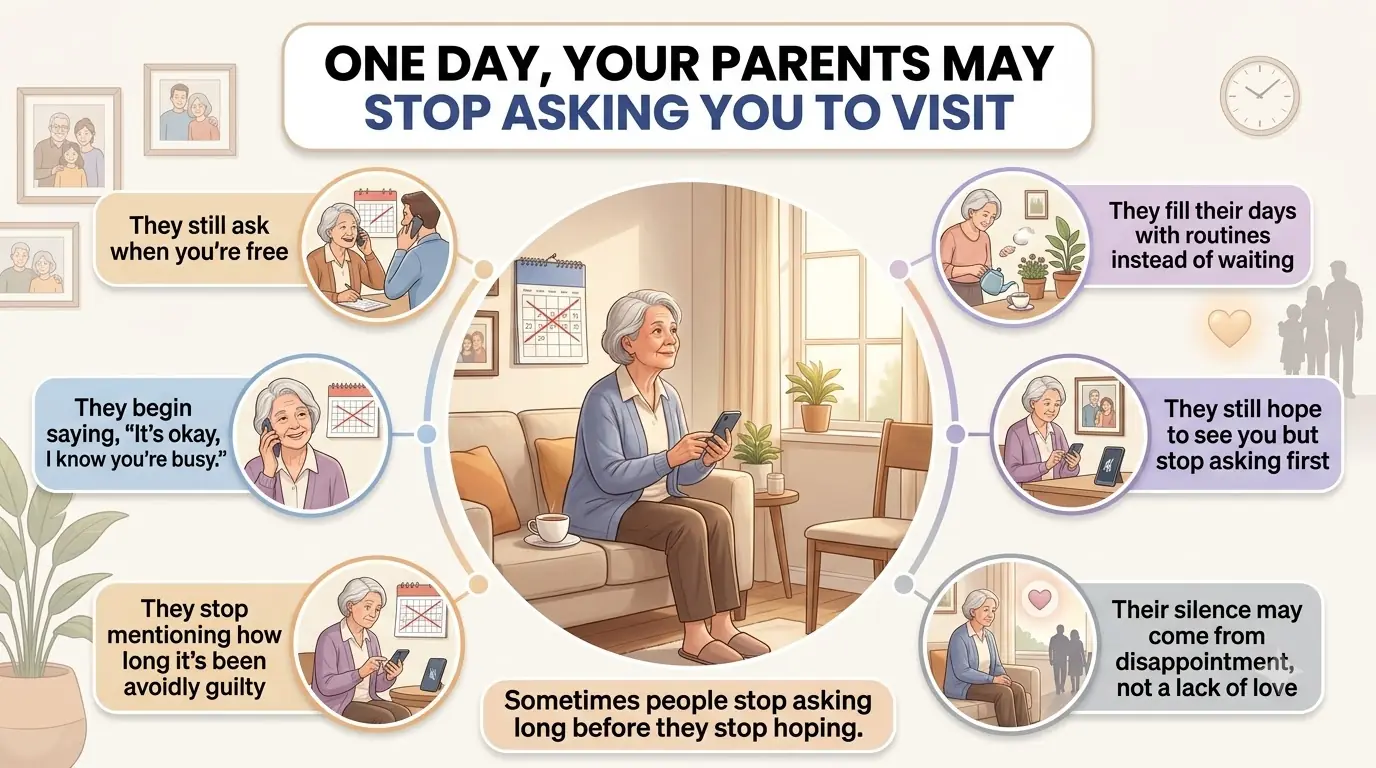
ONE DAY, YOUR PARENTS MAY STOP ASKING YOU TO VISIT
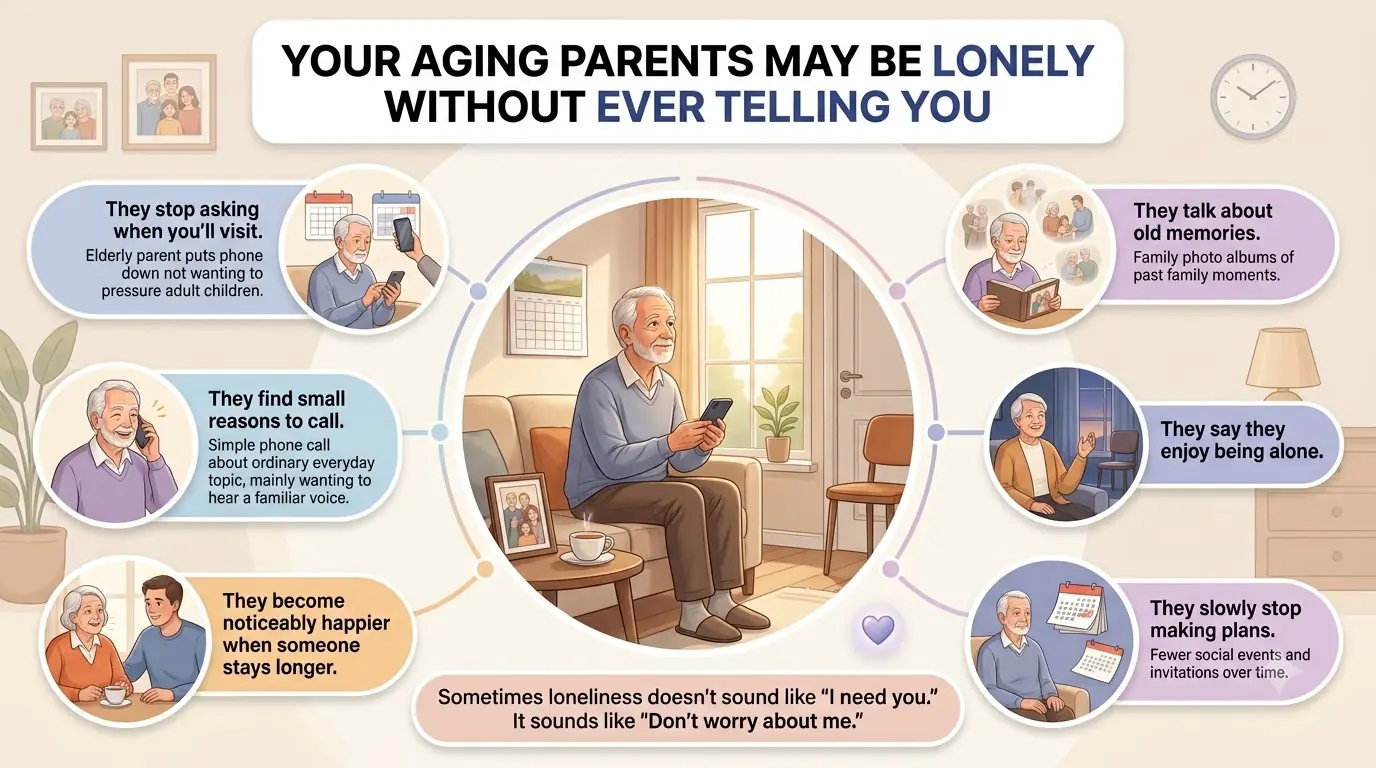
YOUR AGING PARENTS MAY BE LONELY WITHOUT EVER TELLING YOU
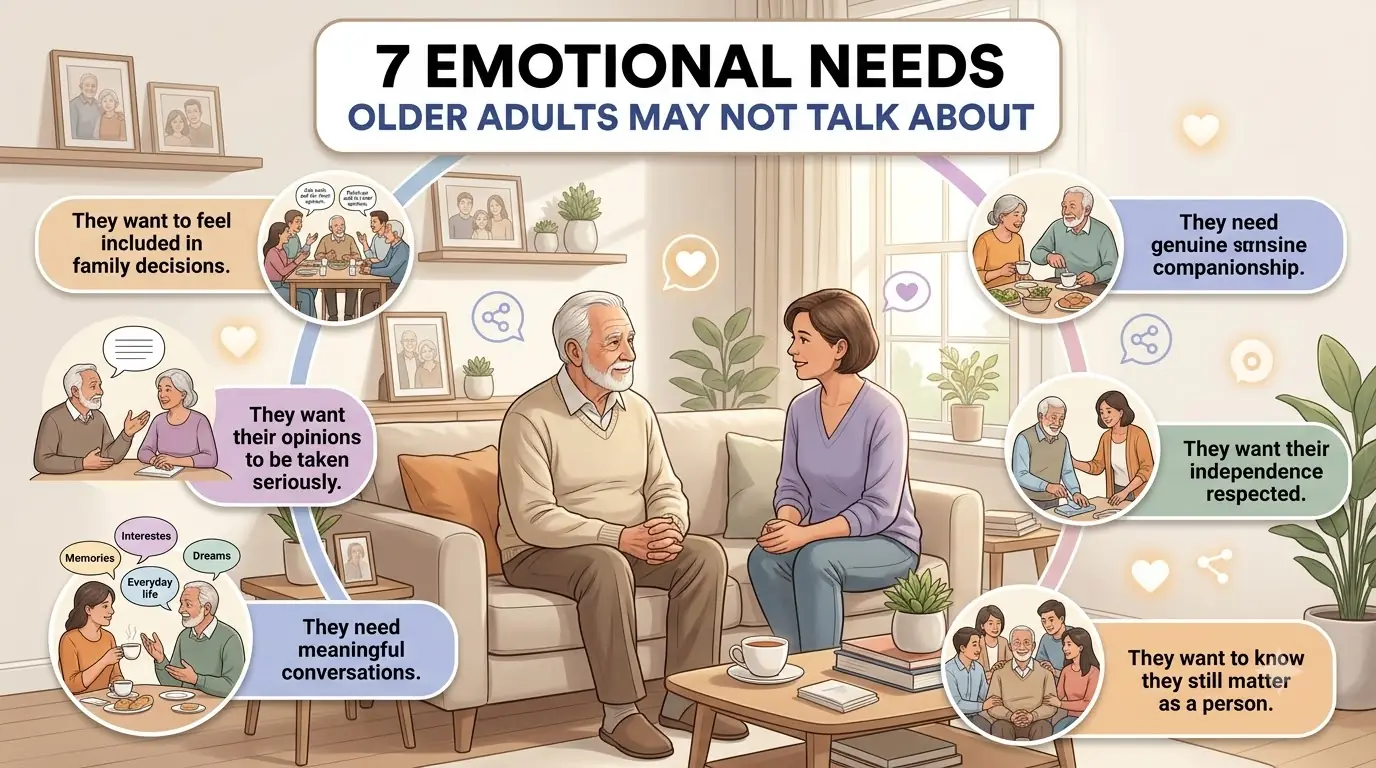
7 EMOTIONAL NEEDS OLDER ADULTS MAY NOT TALK ABOUT
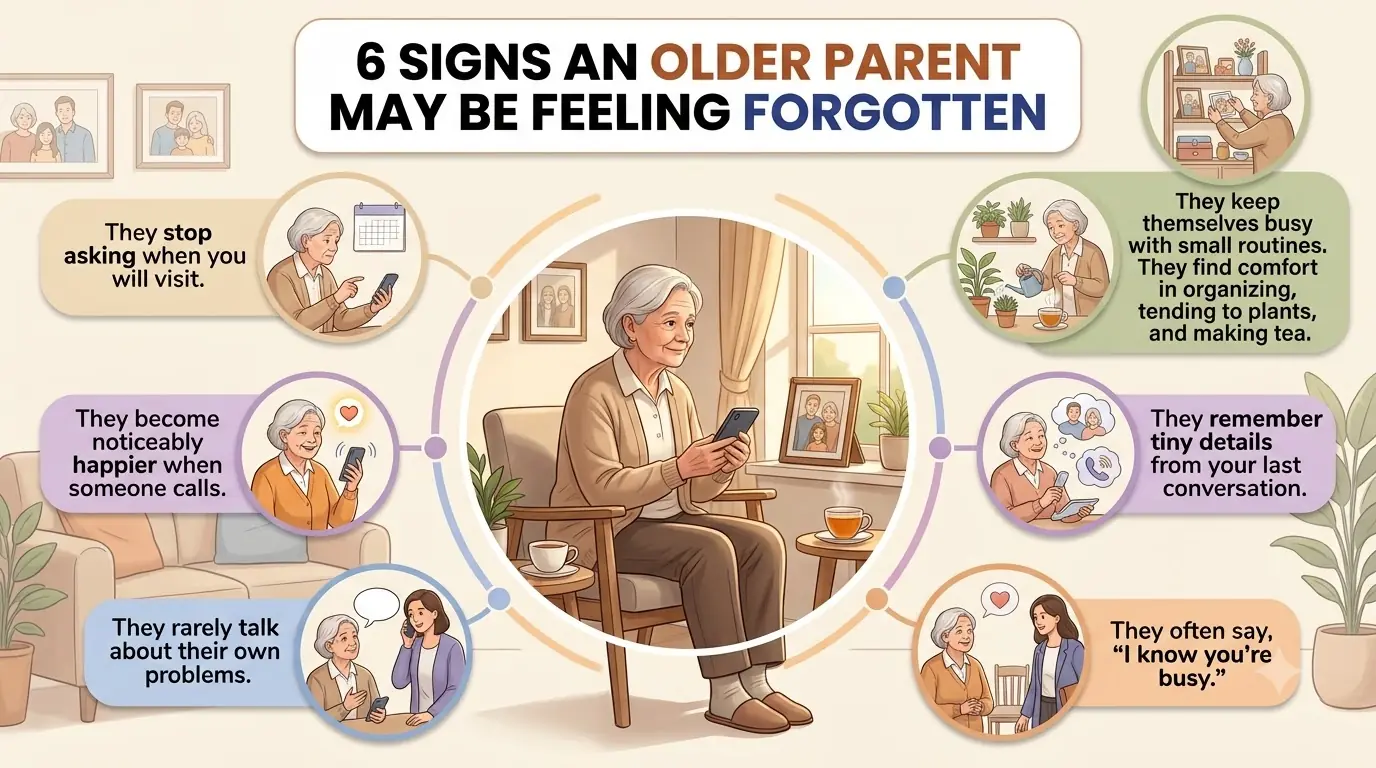
6 SIGNS AN OLDER PARENT MAY BE FEELING FORGOTTEN
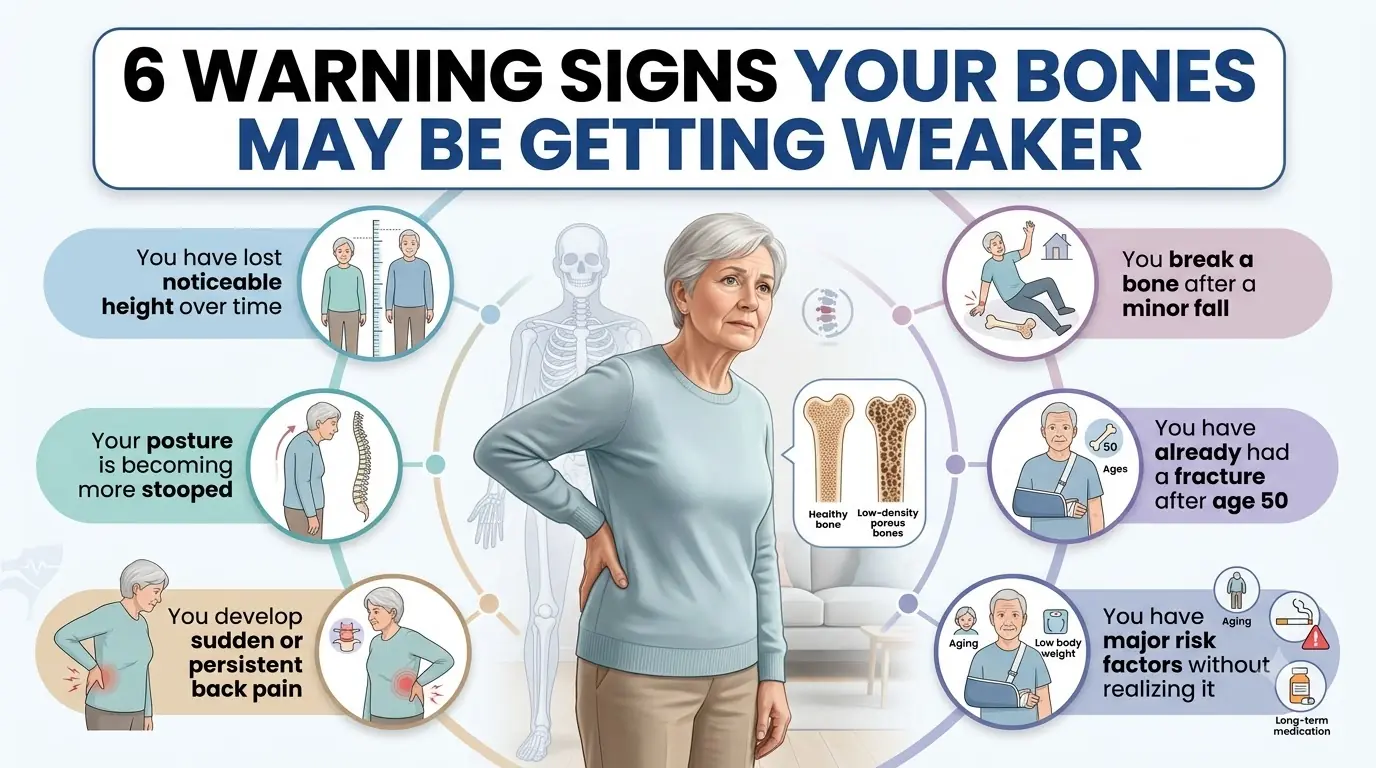
6 WARNING SIGNS YOUR BONES MAY BE GETTING WEAKER
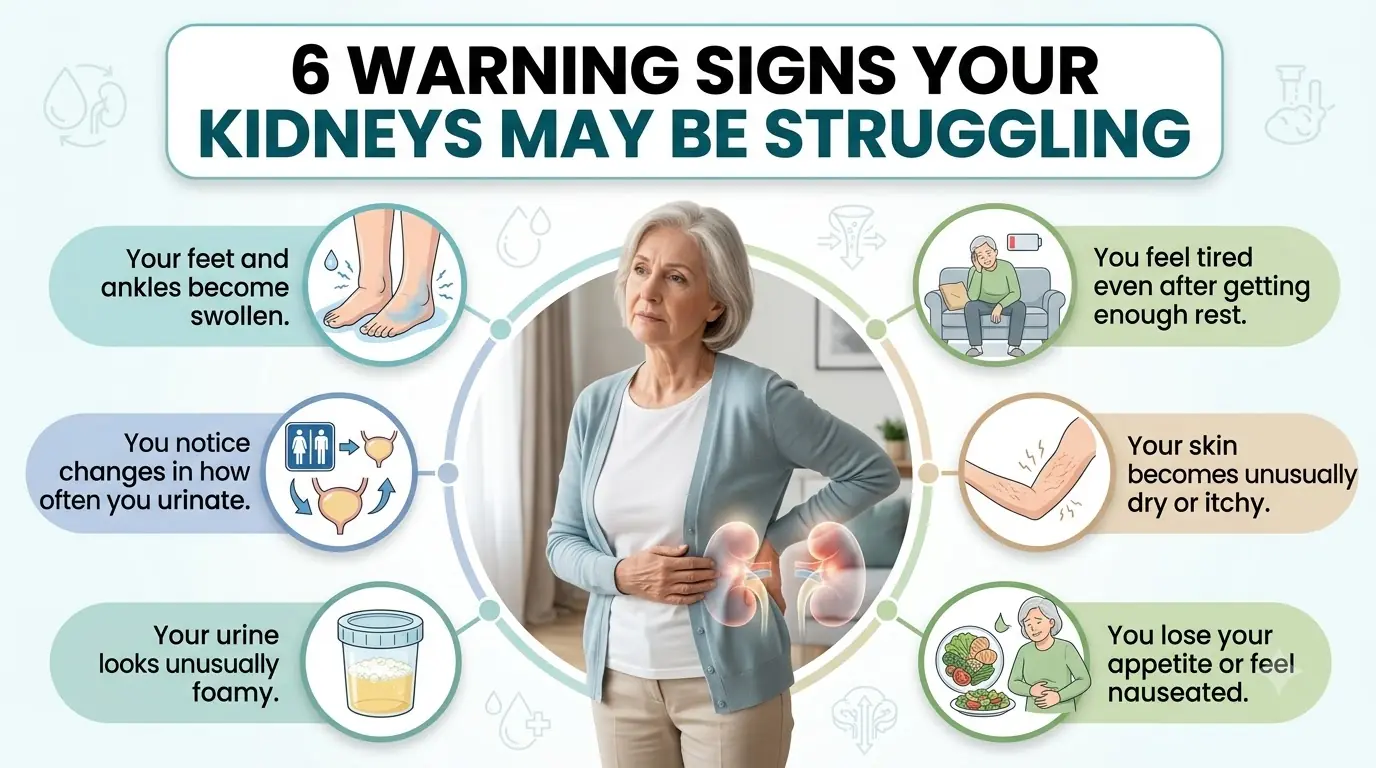
6 WARNING SIGNS YOUR KIDNEYS MAY BE STRUGGLING
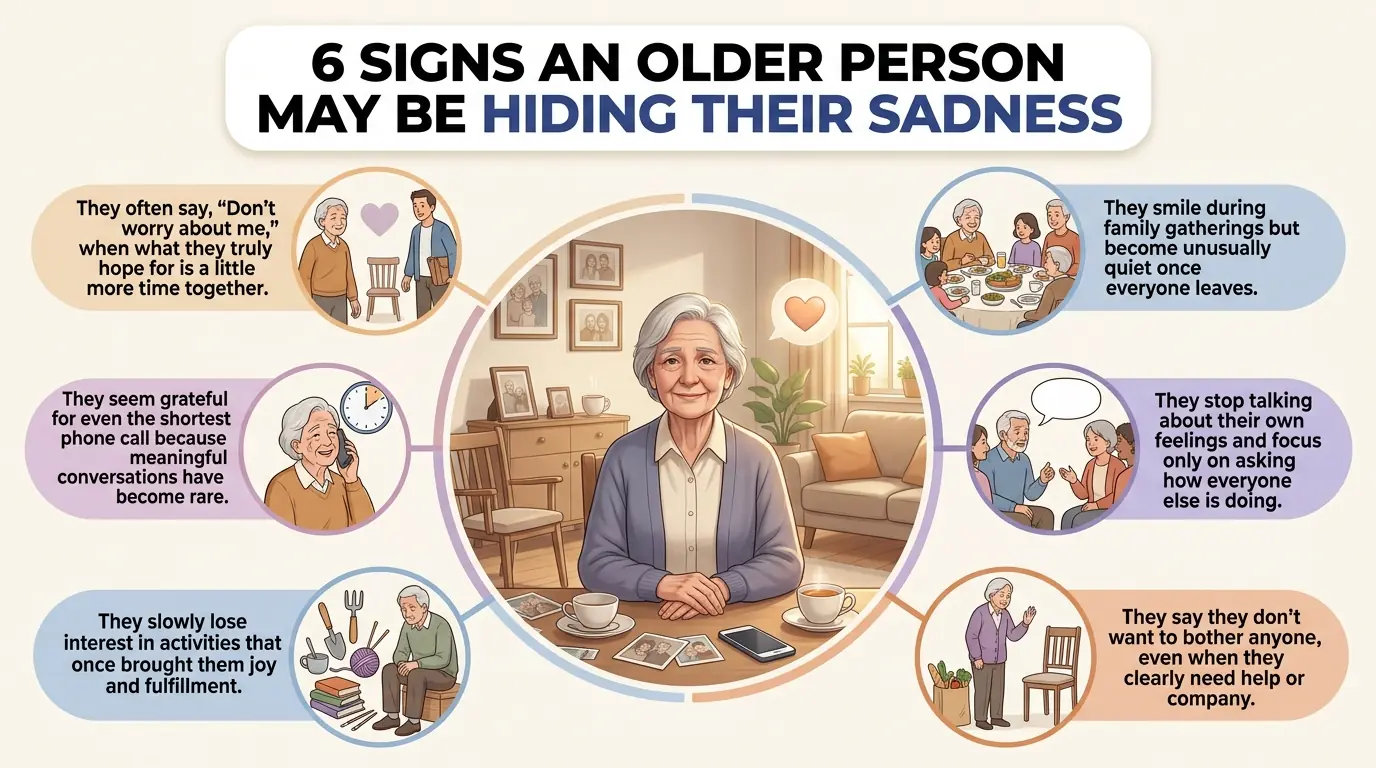
6 SIGNS AN OLDER PERSON MAY BE HIDING THEIR SADNESS
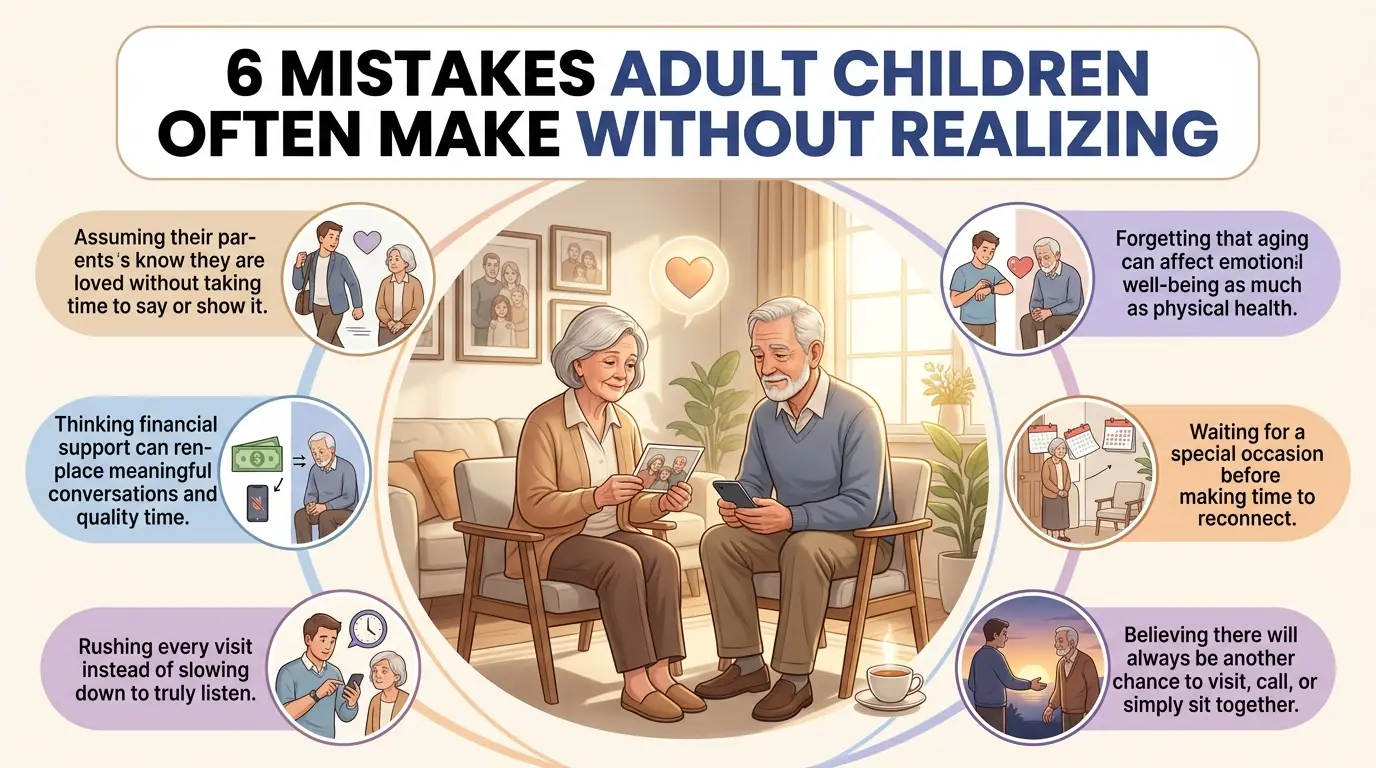
6 MISTAKES ADULT CHILDREN OFTEN MAKE WITHOUT REALIZING
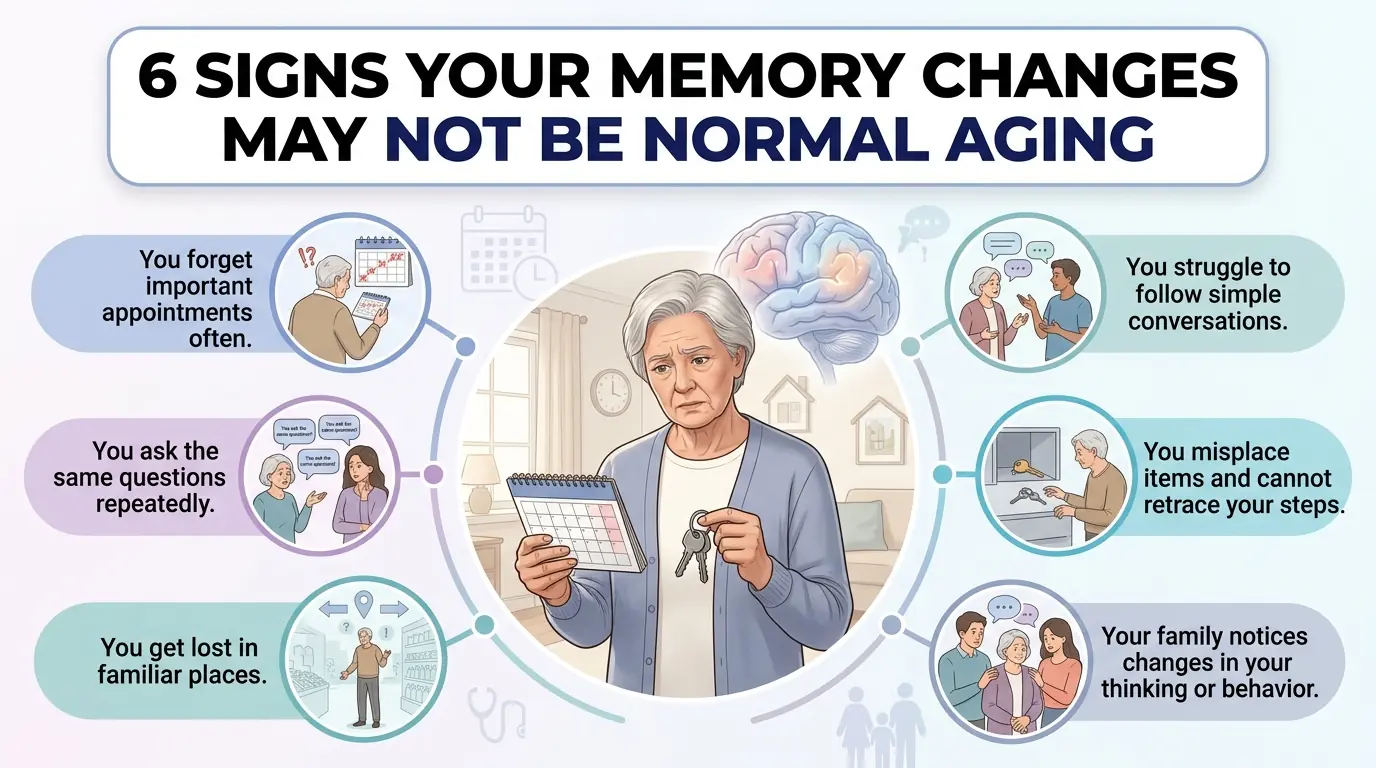
6 WARNING SIGNS YOUR LEGS MAY HAVE POOR CIRCULATION