YOUR LEGS MAY BE WARNING YOU ABOUT YOUR CIRCULATION
Reader Theme:
Font Size:
24px
YOUR LEGS MAY BE WARNING YOU ABOUT YOUR CIRCULATION
Your legs can sometimes reveal important clues about the health of your blood vessels. Pain while walking, unusually cold feet, slow-healing wounds, or changes in skin color may be more than ordinary signs of aging. In some cases, these symptoms occur when the arteries supplying the legs have become narrowed and aren't delivering enough oxygen-rich blood.
One common cause is peripheral artery disease (PAD), a circulatory condition usually caused by atherosclerosis—the buildup of fatty plaque inside the arteries. PAD becomes more common with age and is particularly important because atherosclerosis may also affect arteries supplying the heart and brain.
Not every leg symptom means you have poor circulation. Arthritis, nerve problems, diabetes, spinal conditions, and many other health issues can produce similar symptoms. However, persistent or worsening changes deserve medical attention.
What Is Poor Circulation in the Legs?
When people talk about "poor circulation," they may be referring to several different problems involving arteries, veins, or other parts of the circulatory system.
Peripheral artery disease specifically affects the arteries.
Healthy arteries carry oxygen-rich blood from the heart to the muscles and tissues throughout your body. With PAD, plaque accumulates inside arteries supplying the limbs—most commonly the legs.
As an artery becomes narrower, less blood can pass through it.
You may feel completely normal while resting because your muscles don't require much oxygen. But once you begin walking or exercising, your leg muscles need more blood.
If narrowed arteries cannot meet that demand, symptoms can appear.
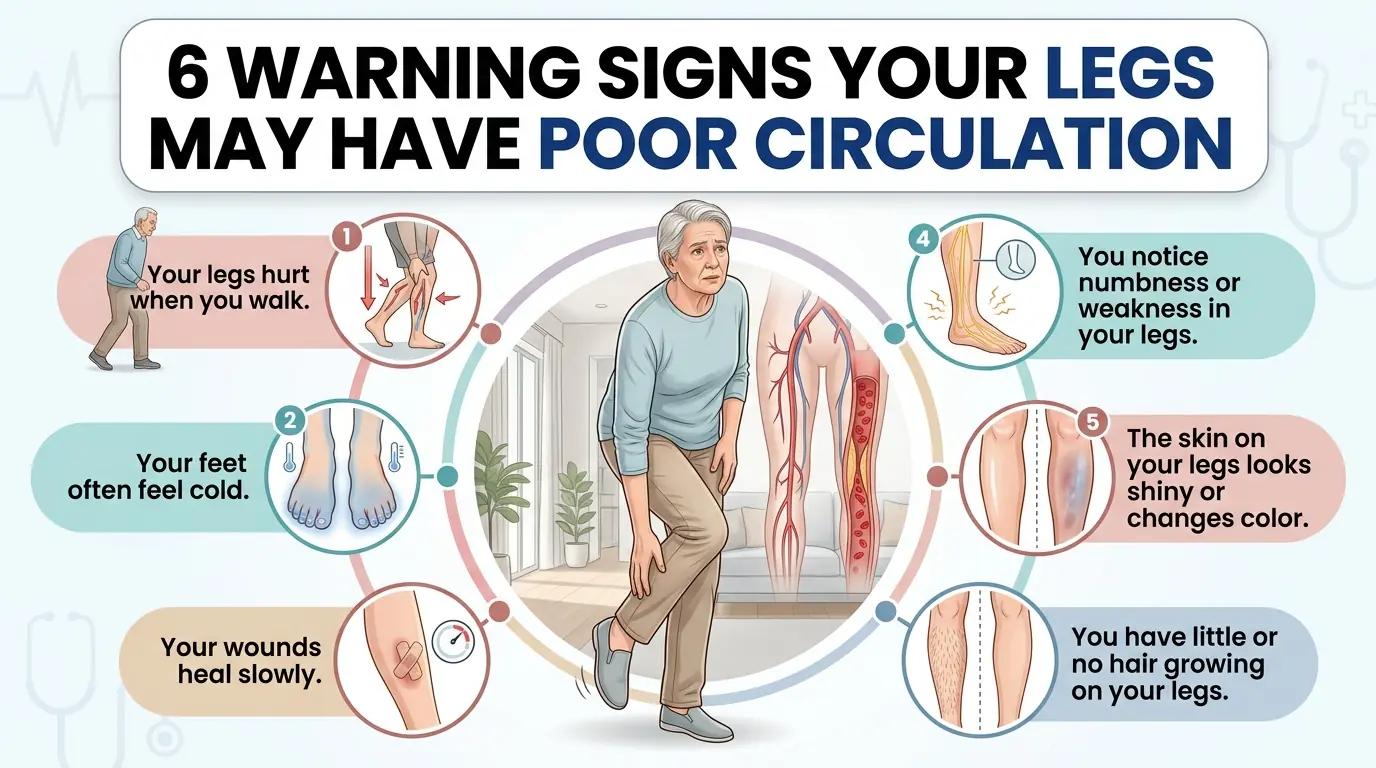
1. Your Legs Hurt When You Walk but Feel Better When You Rest
This is one of the classic symptoms associated with peripheral artery disease.
The medical term is intermittent claudication.
People often describe:
- Cramping.
- Aching.
- Heaviness.
- Tightness.
- Fatigue in the leg muscles.
The discomfort commonly occurs in the calf but may also affect the thigh or buttock depending on where an artery is narrowed.
A particularly important clue is the pattern.
Pain often begins after walking a relatively predictable distance and improves after several minutes of rest. When walking resumes, the discomfort may return.
This happens because exercising muscles require additional oxygen. Narrowed arteries may be unable to deliver enough blood to meet that increased demand.
Leg pain while walking shouldn't automatically be dismissed as arthritis or normal aging.
2. One Foot Feels Colder Than the Other
Cold feet are extremely common and often have harmless explanations, including environmental temperature.
However, a persistent temperature difference between your feet can sometimes indicate unequal blood flow.
If an artery supplying one leg is significantly narrowed, that foot may receive less warm blood than the other.
Pay particular attention when the temperature difference occurs alongside:
- Leg pain during walking.
- Skin color changes.
- Weak pulses in the foot.
- Slow-healing wounds.
- Numbness or weakness.
Cold feet can also occur with nerve disorders and other medical conditions, so temperature alone cannot diagnose PAD.
A persistent difference between the two sides should be discussed with a healthcare professional.
3. Cuts on Your Feet Take a Long Time to Heal
Wound healing requires an adequate blood supply.
Blood delivers oxygen, nutrients, immune cells, and other substances that damaged tissue needs to repair itself.
When circulation becomes severely reduced, cuts or sores—particularly on the toes, feet, and lower legs—may heal slowly.
You may notice a wound that:
- Remains open longer than expected.
- Repeatedly forms a scab without fully healing.
- Becomes painful.
- Develops surrounding skin changes.
Slow-healing foot wounds are especially concerning in people with diabetes.
Diabetes can damage both blood vessels and nerves. Reduced sensation may make it harder to notice an injury, while impaired circulation can make healing more difficult.
Don't wait for a persistent foot wound to become severe before seeking medical care.
4. Your Legs Sometimes Feel Weak or Numb
Poor arterial circulation can sometimes contribute to weakness, heaviness, or numbness in the legs.
However, these symptoms require careful interpretation because they have many possible causes.
Numbness or weakness may also result from:
- Peripheral neuropathy.
- Diabetes.
- Pinched nerves.
- Spinal disorders.
- Vitamin deficiencies.
- Neurological conditions.
- Medication effects.
The pattern of your symptoms can provide useful clues.
For example, symptoms consistently triggered by walking and relieved by rest may raise greater concern about circulation than numbness that remains unchanged throughout the day.
Persistent or worsening weakness or numbness should be medically evaluated rather than self-diagnosed.
5. The Skin on Your Feet Changes Color
Blood flow helps determine the normal appearance of your skin.
Significantly reduced circulation may sometimes cause a foot or leg to appear unusually:
- Pale.
- Bluish.
- Reddish or dusky.
Color can also change depending on whether the leg is elevated or hanging downward.
These changes can occur because tissues aren't receiving normal amounts of oxygenated blood.
Skin color changes have many other possible causes, however, including venous problems, temperature changes, infections, and skin conditions.
A persistent or unexplained change—particularly when accompanied by pain, coldness, or wounds—should be evaluated.
6. Hair Growth on Your Legs Becomes Noticeably Slower
Hair follicles depend on oxygen and nutrients supplied by the bloodstream.
When arterial circulation has been reduced for a prolonged period, hair growth on the legs or feet may become sparse.
Other physical changes associated with PAD can include:
- Smooth or shiny skin.
- Slow-growing toenails.
- Thickened toenails.
- Reduced pulses in the feet.
Hair loss alone is not a reliable test for circulation problems.
Genetics, aging, hormones, and skin conditions can also affect body hair.
However, reduced hair growth becomes more meaningful when it appears alongside other symptoms of peripheral artery disease.
Other Symptoms of Peripheral Artery Disease
PAD doesn't always produce obvious symptoms.
Some people have significant artery narrowing without experiencing classic leg pain.
When symptoms do occur, they may also include:
- Reduced walking endurance.
- Leg fatigue during exercise.
- Weak pulses in the feet.
- Pain in the feet or toes while resting in more advanced disease.
- Foot wounds that don't heal.
- Changes in toenail growth.
This is one reason cardiovascular risk factors and medical screening can be important even when symptoms seem mild.
Who Is Most at Risk?
The risk of peripheral artery disease increases with age.
Important risk factors include:
- Cigarette smoking.
- Diabetes.
- High blood pressure.
- High cholesterol.
- Chronic kidney disease.
- A history of cardiovascular disease.
- Increasing age.
Smoking and diabetes are particularly important risk factors for PAD.
Because PAD is generally caused by atherosclerosis, discovering disease in the legs can also be a warning that arteries elsewhere in the body may be affected.
People with PAD have an increased risk of heart attack and stroke.
How Doctors Check Circulation in Your Legs
If your symptoms suggest peripheral artery disease, your healthcare provider may begin by examining your legs and checking the pulses in your feet.
One commonly used test is the ankle-brachial index (ABI).
This simple, noninvasive test compares blood pressure measured at the ankle with blood pressure measured in the arm. A significant difference can indicate reduced arterial blood flow to the legs.
Depending on the results and severity of symptoms, additional vascular testing or imaging may sometimes be recommended.
How to Protect Your Circulation
Many of the strategies that protect your heart also protect the arteries in your legs.
Important steps include:
- Don't smoke.
- Manage blood pressure.
- Keep cholesterol under appropriate control.
- Manage diabetes carefully.
- Stay physically active.
- Eat a heart-healthy diet.
- Maintain a healthy body weight.
- Take prescribed medications as directed.
For people diagnosed with PAD, structured walking exercise can be particularly valuable. Walking encourages the muscles and cardiovascular system to adapt and can improve walking ability in many patients.
However, people with significant symptoms or other medical conditions should discuss an appropriate exercise program with their healthcare provider.
Take Care of Your Feet
Foot care becomes especially important when circulation is reduced.
Check your feet regularly for:
- Cuts.
- Blisters.
- Redness.
- Swelling.
- Cracks.
- Sores.
Wear properly fitting shoes and avoid walking barefoot if you have diabetes, neuropathy, or significant circulation problems.
Report wounds that aren't healing normally to a healthcare professional.
Early treatment is much easier than managing an advanced wound.
When Should You See a Doctor?
Arrange a medical evaluation if you repeatedly experience:
- Leg pain while walking that improves with rest.
- A persistent temperature difference between your feet.
- Slow-healing wounds.
- Leg weakness or numbness.
- Unexplained skin color changes.
- Multiple physical signs suggesting reduced circulation.
When It May Be an Emergency
Seek immediate medical attention if a leg or foot suddenly becomes extremely painful, pale, cold, numb, or weak.
A sudden arterial blockage can abruptly cut off blood supply to a limb. This is called acute limb ischemia, and rapid treatment is essential to protect the affected tissue.
A rapidly worsening infected foot wound—particularly in someone with diabetes—also requires prompt medical care.
Key Takeaways
- Leg symptoms can sometimes provide early clues about problems with arterial circulation.
- Pain during walking that improves with rest is a classic symptom of peripheral artery disease.
- One persistently colder foot, slow-healing wounds, and unusual skin color changes may indicate reduced blood flow.
- Numbness and weakness have many possible causes, so proper evaluation is important.
- Reduced hair growth can occur with chronic poor circulation but isn't diagnostic by itself.
- Smoking, diabetes, high blood pressure, and high cholesterol significantly increase the risk of PAD.
- Protecting the arteries in your legs also helps protect your heart and brain.
- Persistent circulation symptoms should be evaluated by a healthcare professional.
Medical Disclaimer
This article is for educational purposes only and is not intended to replace professional medical advice, diagnosis, or treatment. Leg pain, numbness, skin changes, and slow-healing wounds can have many different causes. If you experience persistent or worsening symptoms, consult a qualified healthcare professional. If a leg or foot suddenly becomes severely painful, pale, cold, numb, or weak, seek emergency medical care immediately.
News in the same category
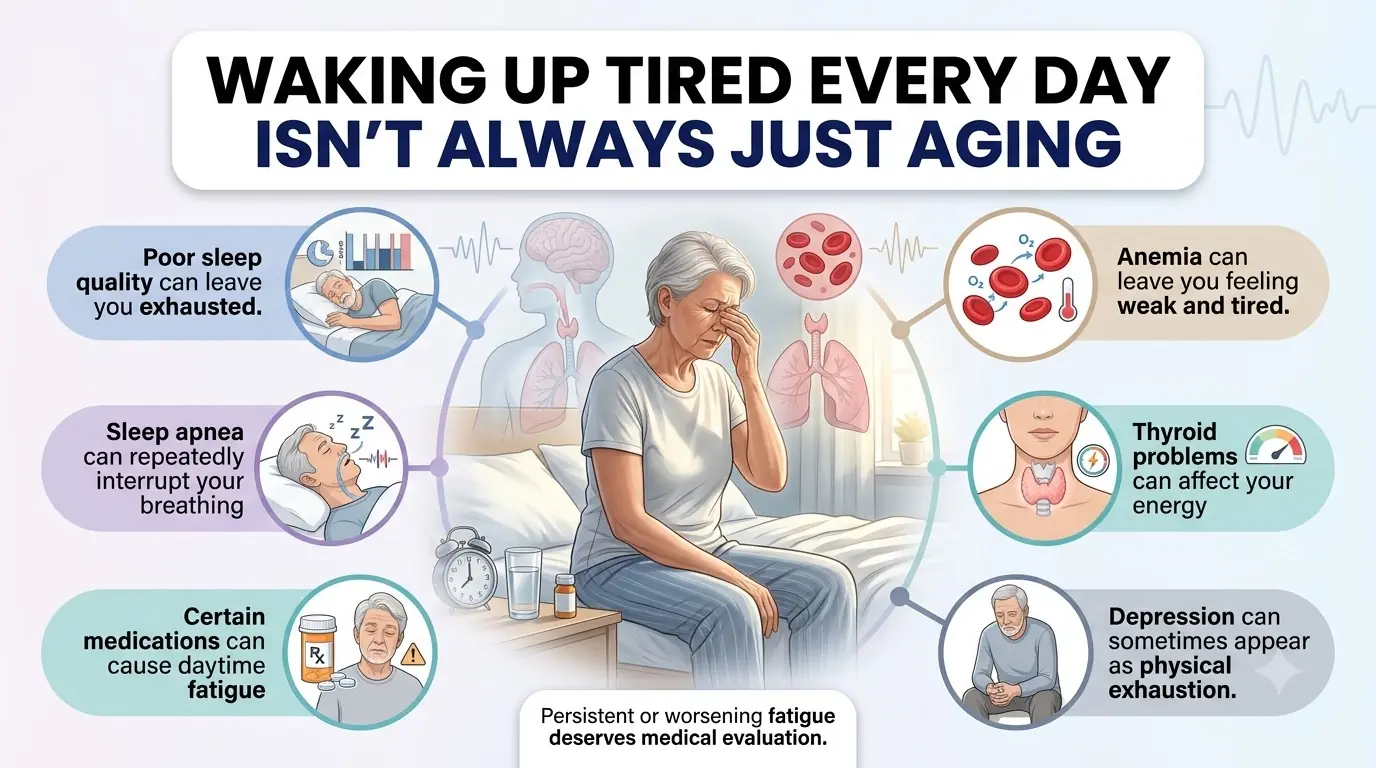
WAKING UP TIRED EVERY DAY ISN’T ALWAYS JUST AGING
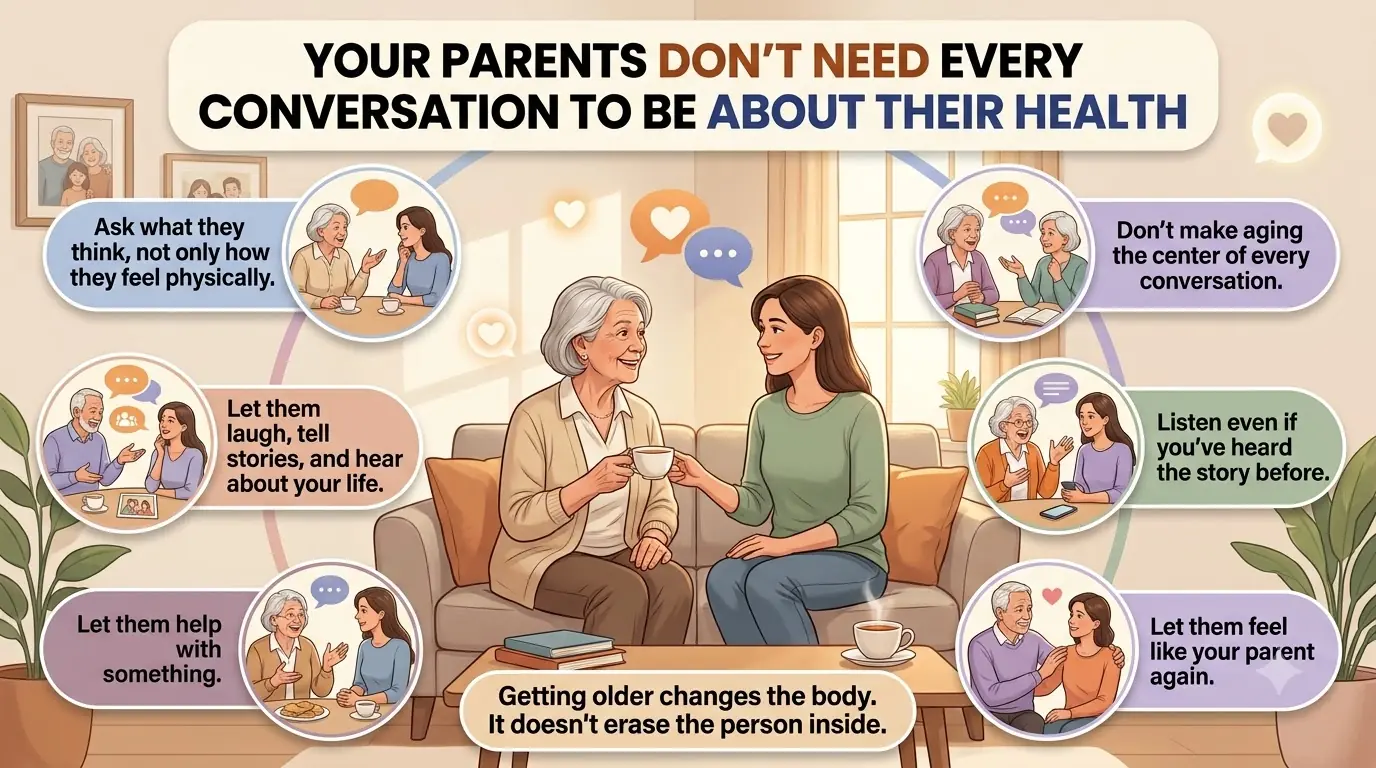
YOUR PARENTS DON'T NEED EVERY CONVERSATION TO BE ABOUT THEIR HEALTH
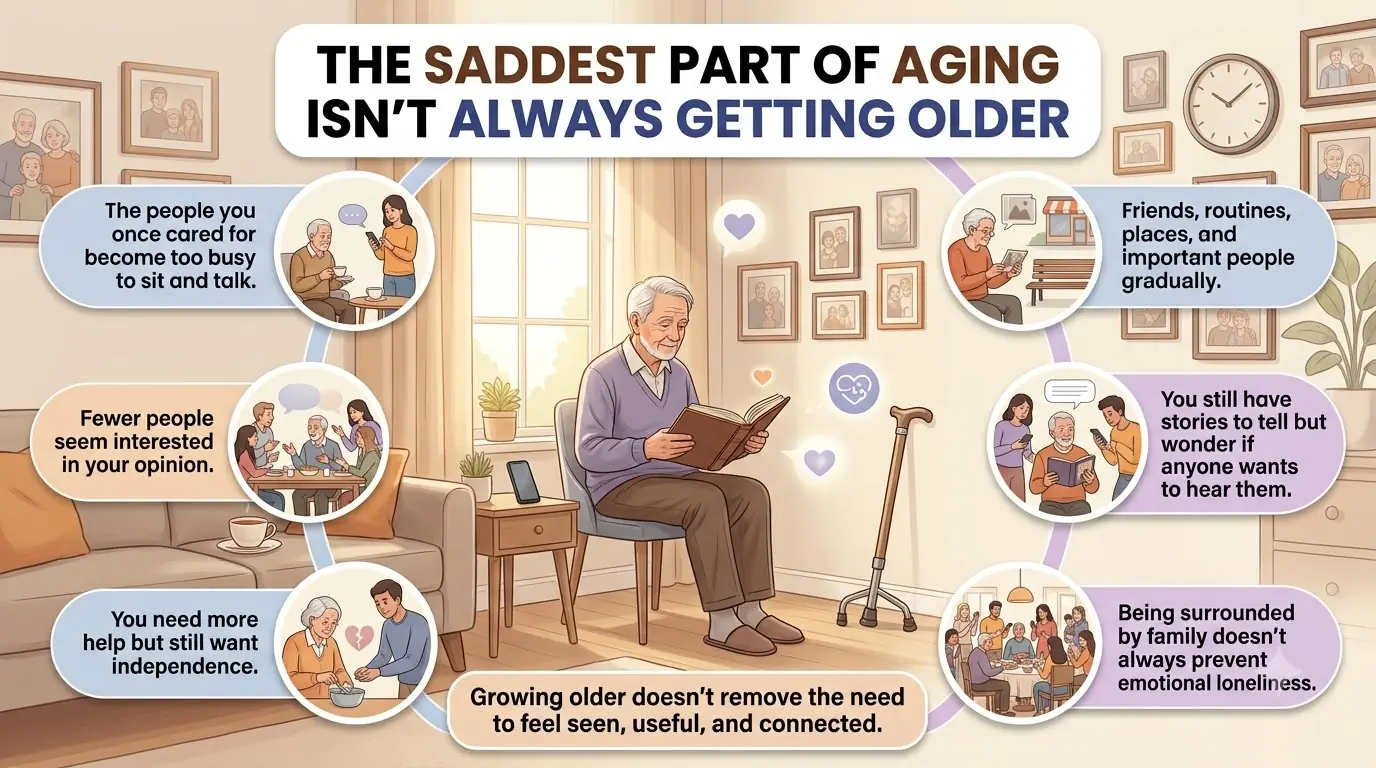
THE SADDEST PART OF AGING ISN'T ALWAYS GETTING OLDER
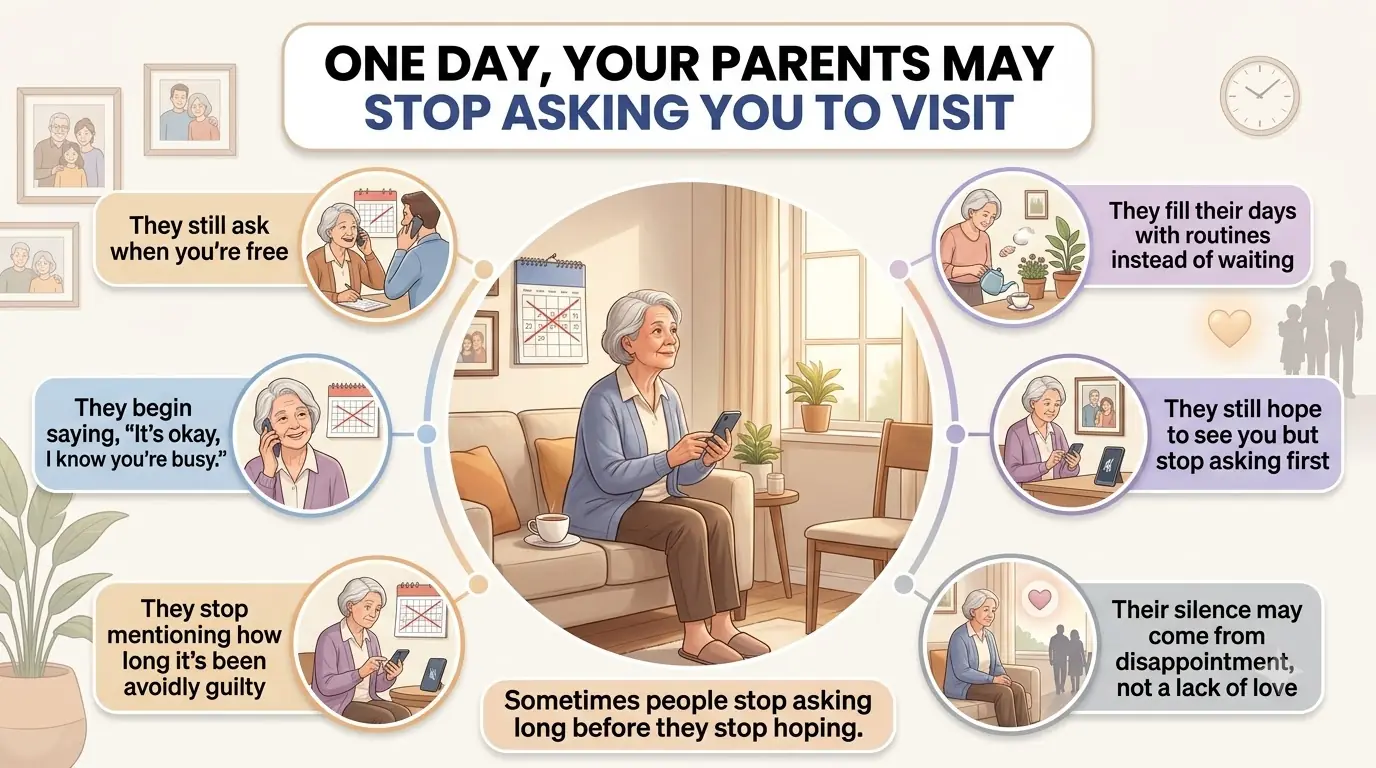
ONE DAY, YOUR PARENTS MAY STOP ASKING YOU TO VISIT
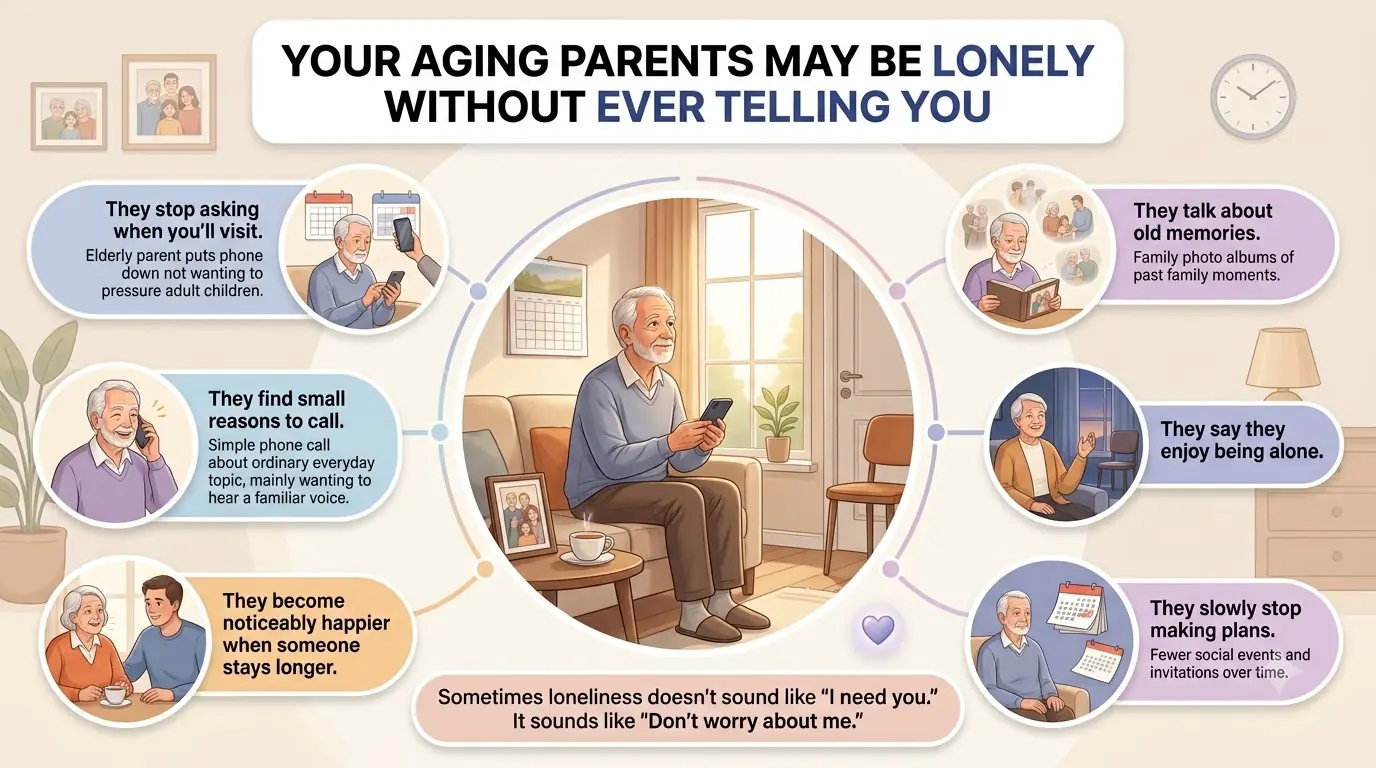
YOUR AGING PARENTS MAY BE LONELY WITHOUT EVER TELLING YOU
7 EMOTIONAL NEEDS OLDER ADULTS MAY NOT TALK ABOUT
6 SIGNS AN OLDER PARENT MAY BE FEELING FORGOTTEN
6 WARNING SIGNS YOUR BONES MAY BE GETTING WEAKER
6 WARNING SIGNS YOUR KIDNEYS MAY BE STRUGGLING
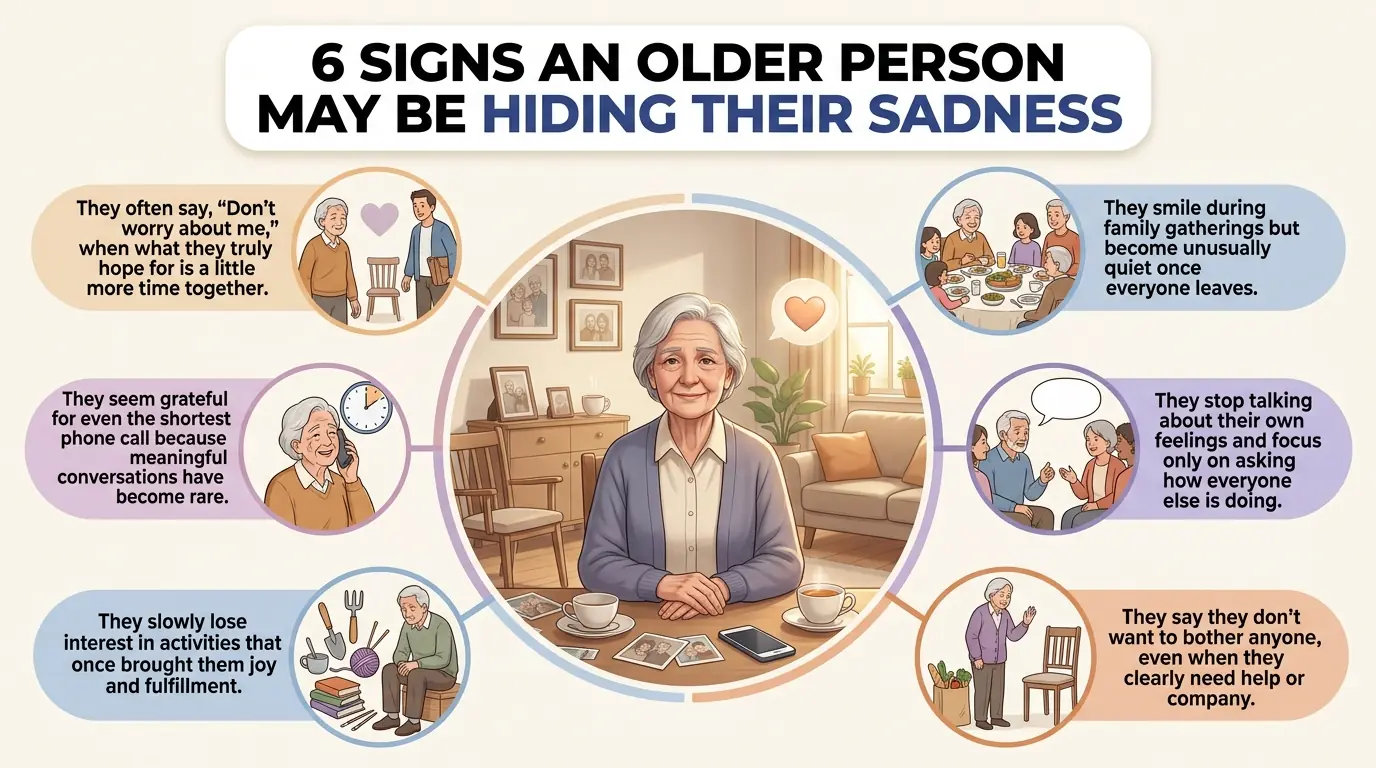
6 SIGNS AN OLDER PERSON MAY BE HIDING THEIR SADNESS
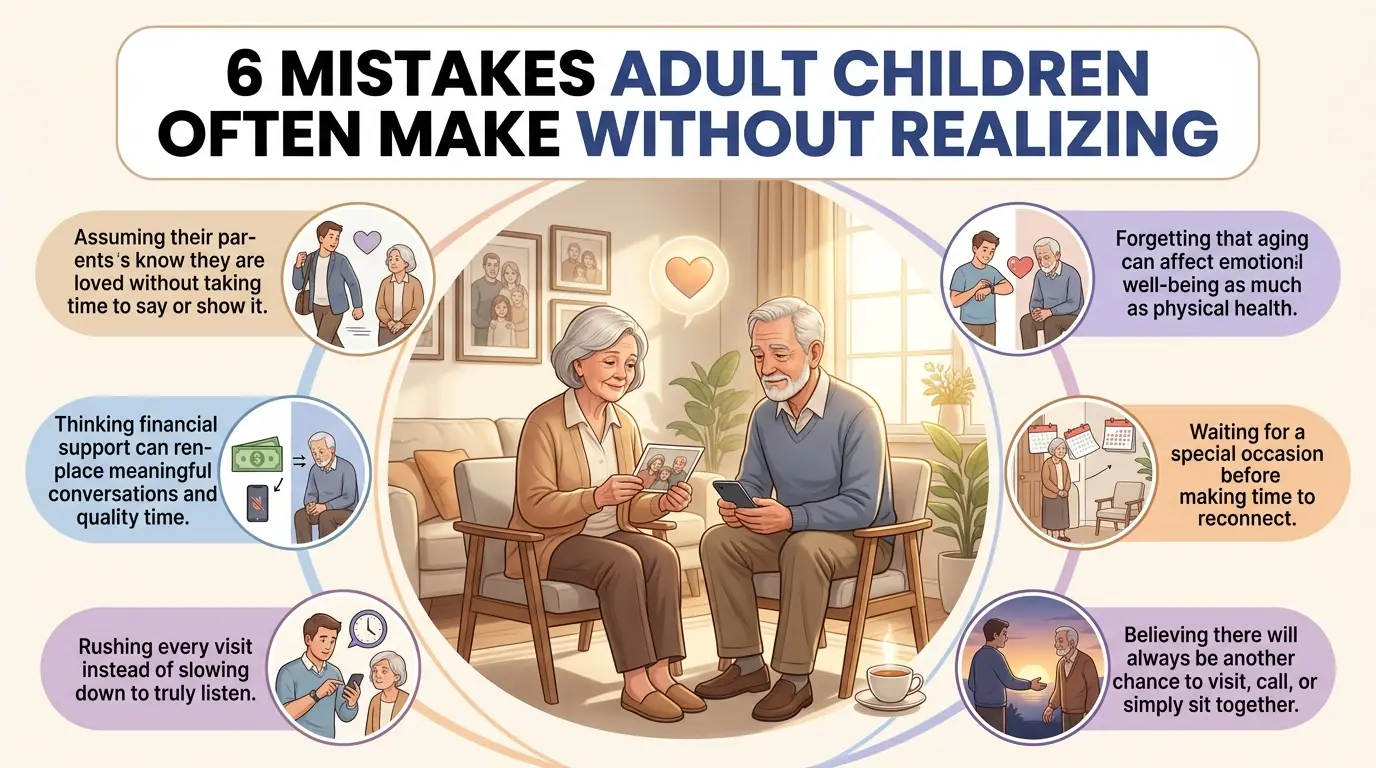
6 MISTAKES ADULT CHILDREN OFTEN MAKE WITHOUT REALIZING
6 WARNING SIGNS YOUR LEGS MAY HAVE POOR CIRCULATION
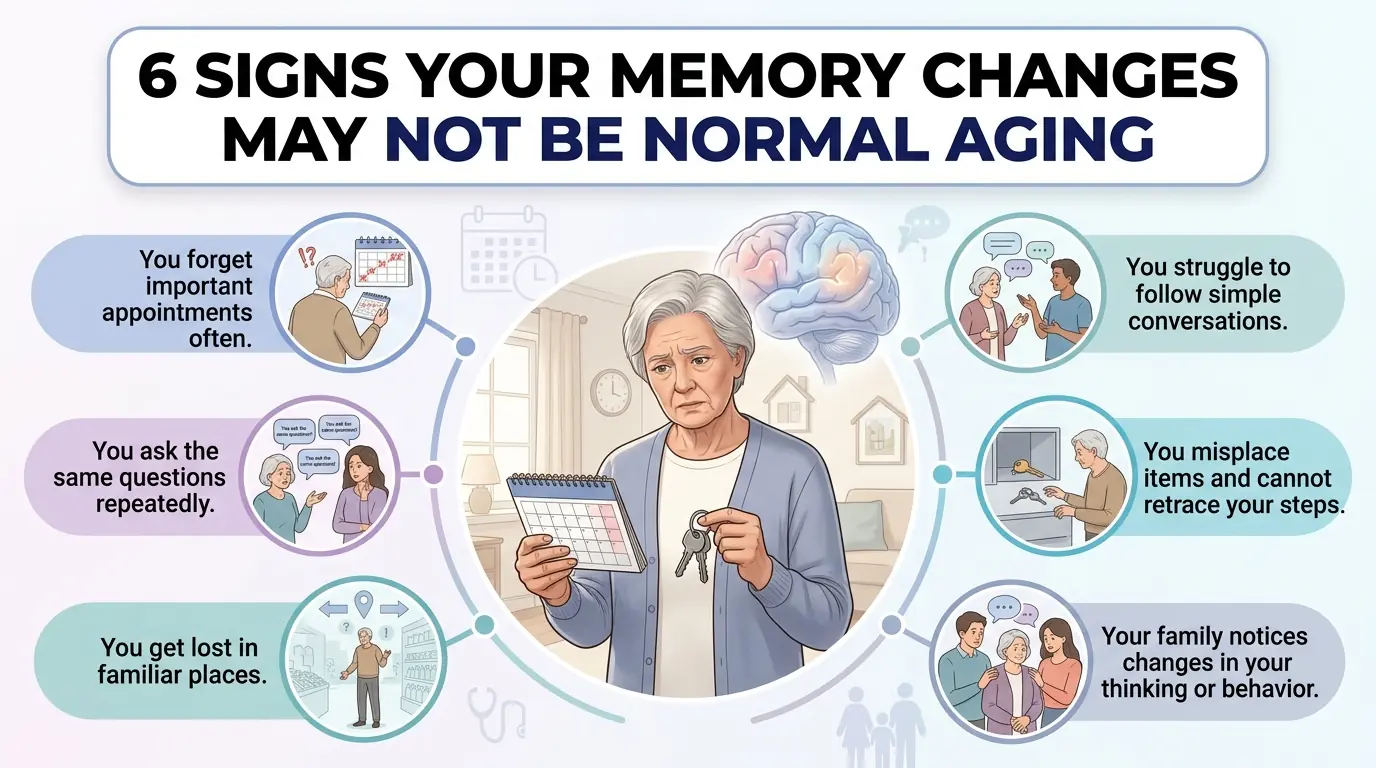
6 SIGNS YOUR MEMORY CHANGES MAY NOT BE NORMAL AGING
6 WARNING SIGNS YOUR BODY MAY BE DEVELOPING DIABETES
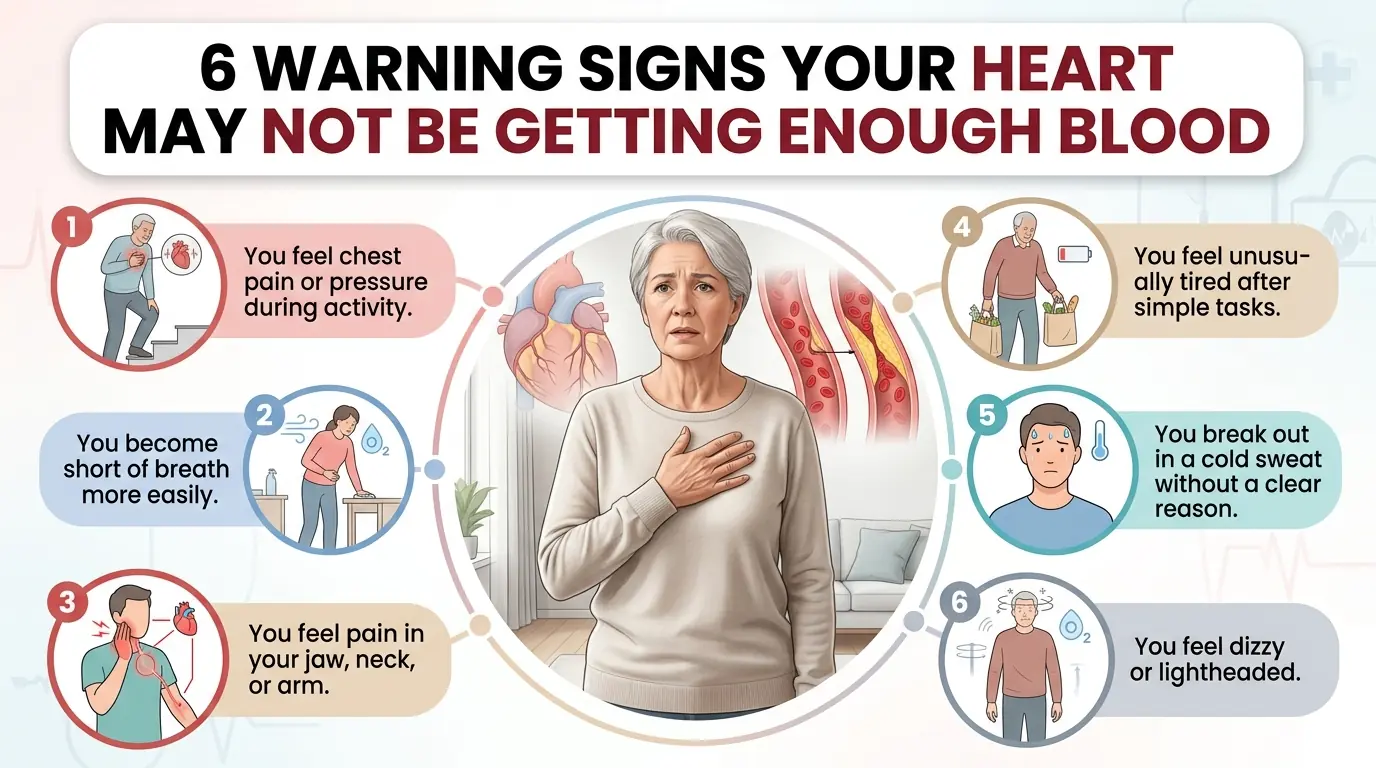
6 WARNING SIGNS YOUR HEART MAY NOT BE GETTING ENOUGH BLOOD
7 SIGNS YOUR ELDERLY PARENT MAY NEED MORE EMOTIONAL SUPPORT