They Shoved the Waitress Into the Counter — Then Someone Walked Through the Diner Door
Chapter 3
Reader Theme:
Font Size:
24px
He could place Harlon alone with both devices, but he could not testify to which command Harlon executed. When Cho asked why he signed the false affidavit, Navarro stared at his notebook. Grant said, "My career would not survive accusing a decorated deputy over a waitress and a trucker's cash. I believed him. " The admission exposed Navarro's cowardice, not innocence. Cho referred his conduct separately.
Based on the timing records, system audit, and his profer, the standards division issued Harlon notice of proposed emergency suspension. He contested it, triggering a public evidentiary hearing before the state peace officer standards board. Harlon's counterattack arrived in organized pieces. His union hired a digital forensics consultant who argued that Tasha's hurried export could have damaged the recording directory before the device ever left the diner. The storage rebuild command, according to the consultant, was a reasonable recovery attempt.
The report emphasized that the USB had never entered verified custody and that the original video could not be examined. Rusk requested that the board postpone its hearing until Tasha's criminal case ended. The county prosecutor scheduled her trial and warned that public testimony could contaminate the jury pool. Union advertisements accused Whitmore of manufacturing an inter agency scandal to cover her department's failure to investigate Tasha's first complaint. The city kept Whitmore on leave.
Tasha found temporary overnight work stocking shelves at a grocery warehouse. Lifting boxes aggravated her shoulder until her fingers tingled, but she hid it because missing another paycheck would put her mother's medication and their rent in competition. After four shifts, a supervisor watched her drop a case of canned soup and removed her from the schedule. At home, her mother heated a towel and wrapped it around Tasha's shoulder. Could your lawyer ask for the deal again?
Only if I agree their search was lawful. I'm asking whether we can survive the answer you already gave. Tasha understood, refusing the plea had been morally clean and financially brutal. She could not promise her mother that Truth would pay the electric bill. 2 days before the hearing, the dishwasher's attorney contacted Cho.
The young man had not lost the USB. He had carried it through the truck lot, called his mother from a gas station, and given it to her when she arrived. She placed it in a home safe, and refused every request to surrender it because she feared her son would be charged with concealing evidence. The attorney would not provide the drive without protection. Cho could not guarantee immunity from the county prosecutor, and Tasha's no contact order prevented her from asking the young man to cooperate.
Her public defender suggested a subpoena. Tasha initially rejected it, forcing the dishwasher into a proceeding felt like repeating the choice that had placed him in danger. Then she examined the recorder audit again. The system had logged her export before Harlon unplugged it. The entry included the camera channel, file length, creation sequence, and an internal digital fingerprint.
She had not recorded a check sum herself, but the machine had created one automatically. The boy doesn't have to prove what is on the drive, Tasha told Cho. The recorder can identify its own export. If a neutral examiner received the USB under subpoena, photographed it, created a forensic image, and matched its fingerprint to the surviving audit entry, authentication would not depend solely on Tasha or the dishwasher. His attorney could document where the physical drive had been kept without making him interpret the video.
Cho cautioned that Harlon's lawyer would still attack the weeks spent in a private safe. A matching fingerprint would show the file had not changed, but it would not explain every hand that held the device. Then we don't hide those hands. Tasha said, "My mistake stays in the chain. It doesn't have to break it. " The dishwasher's mother agreed.
After a judge narrowed the subpoena to the drive and granted her son counsel during any questioning, she delivered the home safe itself to the neutral examiner so the USB could be removed, photographed, and sealed in one continuous session. Harlon's attorney moved to exclude it from the hearing. He argued that Tasha had orchestrated its disappearance and later designed an authentication theory to rescue her case. The board allowed examination but reserved its decision on whether the video would be admitted. On the evening before the hearing, Tasha sat with Cho and Whitmore in the empty back row of the state building.
Whitmore remained on leave and would testify only as a civilian witness to what she had observed. Cho's phone vibrated. The neutral examiner had matched the USB file's digital fingerprint to the surviving export entry in the recorder audit. The file was unchanged and readable. Cho did not describe what the video showed.
She turned the phone so Tasha could read the final line herself. The recording contained 17 minutes from the camera above the grill. The hearing room held no jury and offered no promise of a criminal verdict. Three standards board members sat above the witness table with authority over police certification, not imprisonment. Harlon wore a dark suit beside his union attorney.
Rusk occupied the row behind him. Tasha sat with her public defender until the board ruled on the USB. The neutral examiner described receiving the locked home safe, removing the drive, creating a forensic image and matching the file's digital fingerprint to the recorder's surviving export entry. Harlon's consultant agreed that the fingerprints matched. He maintained that the footage could still mislead because its displayed clock was unreliable and its camera showed only part of the truck.
The board admitted the video with those limitations on the screen. The rear lot appeared beneath a pale camera timestamp. Calvin entered the diner at the edge of the frame. Harlon waited beside the passenger door, looked once toward the windows, then opened the truck with a key he had taken during the stop. He searched the cab for nearly 4 minutes before Navarro approached.
Calvin did not appear outside until later. Harlon's attorney paused the recording. "The time displayed here is 11:32," he said. Miss Green's receipt places Mr. Reed at the register several minutes later.
"This video does not establish the sequence," she claims. Tasha was called to the witness table. She acknowledged exporting the recording, giving it to the dishwasher, and failing to document the transfer. Harlon's attorney walked her through every weakness before asking about the 6-minute correction. You created the opening log yourself.
I completed my section. May reviewed it. After you had already been watching these deputies for weeks, that is why the log matters more than my memory. He suggested she had written the correction to manufacture a useful timeline. Tasha asked to see the recorder audit already admitted as the state's exhibit.
The board chair allowed it. The camera clock did not become 6 minutes slow because I wrote it down. Tasha said the audit recorded the exhaust breaker reboot. When power returned, the recorder loaded its internal clock before reconnecting to the diner's time server. The audit lists both values.
They are 6 minutes apart. Harlon's consultant had described the storage commands, but omitted that comparison from his report. Under questioning, he conceded that the audit preserved the offset before Tasha exported anything. Corrected to actual time, Harlon opened the truck at 11:38. Calvin's card remained active at Tasha's register until 11:40.
Harlon's camera activated at 11:42. His marijuana call followed at 11:43. The search came first. The recorded justification came last. The attorney offered the second defense.
Navarro had obtained consent inside the diner before Calvin paid. Navarro testified under his cooperation agreement. He said he had never spoken to Calvin before the door opened. His duty note grant at passenger door. Driver inside paying had been written while he watched Harlon begin the search.
Harlon later instructed him to sign the affidavit because in Harlon's words the unit could not lose another clean seizure before grant review. "Why should this board believe you now? " the union attorney asked. "It shouldn't believe me by myself," Navarro answered. "That is why I kept the notebook. " May authenticated the opening log and the automatic POS backup. She admitted firing Tasha to protect the diner.
Her voice shook when she explained that fear had made her preserve the paper while abandoning the person who created it. Whitmore testified last about the restraint she witnessed, the intact recorder case, Harlon's refusal to identify probable cause, and the way he transported the device without sealing it. She did not claim to know what happened inside the highway substation. The system audit supplied that portion. Harlon's assigned laptop opened May's account and the storage rebuild followed.
Navarro placed Harlon alone with the laptop and recorder. The county produced no technician, work order, repair request, or contemporaneous note supporting Harlon's explanation. Harlon chose to testify. He insisted the video lacked audio. Consent could have occurred outside its view, and any reporting errors resulted from a rapidly developing scene.
He said his concern about the grant reflected responsibility for his unit, not a motive to fabricate. The board chair asked one narrow question. If you believe the storage rebuild was a legitimate recovery effort, why did your evidence report state that the recorder traveled directly from the diner to intake? Harlon blamed an imprecise form. The same defense now covered the truck door, the consent, the transport, and the laptop session.
Each discrepancy could be called imprecision alone. Together, independently timed records made that explanation unsustainable. After deliberating, the board found probable cause that Harlon had conducted an unlawful search, submitted materially false reports, mishandled digital evidence, and used unreasonable force against Tasha. His certification was suspended immediately, pending a final disciplinary proceeding. Navarro's certification remained active under separate review with restrictions on enforcement duties.
The board referred the evidence to the state attorney general. That referral was not an indictment and the suspension was not a conviction. Rusk left without speaking to reporters. Tasha remained seated while the room emptied. Her public defender approached with an electronic filing from the county prosecutor.
After reviewing the authenticated video and hearing record, the prosecutor had moved to dismiss both charges against her. The judge's signature was still required. The judge signed the dismissal the next morning. Both charges were dismissed with prejudice, and the court ended Tasha's no contact restrictions. The order did not erase her booking photograph from the internet, restore her wages, or return the weeks her mother had rationed medication.
It did give her back the right to speak to the people Harlon had separated from her. She called the dishwasher's mother first. "I should never have put that drive in his hand," Tasha said. "He says he would carry it again. " "He should never have needed to. " No charge was filed against him. His attorney arranged one final recorded statement about receiving the USB and placing it in his mother's safe.
After that, the standards division excused him from further appearances. Calvin's forfeiture petition was dismissed six weeks later. The county returned all $18,400 plus statutory interest after the authenticated video established that the search preceded its stated justification. He used part of the money to repair the truck after months of missed work and refused every reporter who asked him to reenact the stop. Whitmore's outside review lasted two months.
Investigators found that she had acted within Pinehaven jurisdiction, properly preserved an independent record, and had not ordered Tasha to hide evidence. The city reinstated her. The report also confirmed that her department's referral policy had allowed Tasha's first complaint to disappear inside the agency it accused. Whitmore accepted that finding publicly. Pinehaven replaced automatic referrals with documented follow-up, supervisory review, and notice to complainants when another agency received their allegation.
Harlon received full due process before the standards board revoked his certification. The county terminated him after a separate hearing. 4 months later, the state attorney general charged him with evidence tampering, falsifying an official record, and misconduct in office. He contested the case for nearly a year before pleading guilty to evidence tampering and one false record count. The court imposed a custodial sentence followed by supervised probation and barred him from public law enforcement employment.
Navarro's cooperation did not erase his affidavit. He accepted a lengthy certification suspension, resigned from the sheriff's office, and testified in Harlon's criminal case. The state declined to charge him after considering his early profer preserved notebook and responsibility for helping create the false account. The decision angered some people and relieved others. Tasha considered it incomplete justice, but not dishonest justice.
Investigators found insufficient evidence that Rusk had ordered the recorder altered. They did establish that he ignored repeated complaints, defended unsupported consent language, and tied promotion decisions to seizure performance. The county commission removed him from supervision of the interdiction grant and hired an independent auditor. Voters replaced him at the next election. The county entered a corrective agreement requiring outside review of disputed consent searches, prompt sealing of digital equipment, separation between seizure totals, and promotion evaluations and annual publication of forfeiture outcomes.
19 closed seizure cases were reopened. Not every driver recovered money, but no file remained closed merely because the original video was missing. Tasha attended physical therapy until she could lift her left arm without numbness. Some stiffness remained in cold weather. Her civil rights lawsuit continued for 14 months before the county and its insurer settled.
The agreement covered medical treatment, lost income, legal expenses, and the tuition she had abandoned. It did not require confidentiality, so the county could not purchase her silence along with resolving the claim. It also required the county to publish a correction, stating that she had preserved evidence of misconduct rather than destroyed evidence of a lawful search. The correction ran beneath the same booking photograph that had followed her through job applications. It could not remove every copy, but it changed what employers found beside it.
At a county commission meeting, the clerk read the correction into the public record while Tasha sat beside her mother. There was no applause on command and no instant forgiveness. Tasha cared more that the statement named the unlawful search, the false charges, and the evidence she had preserved. Her mother carried a printed copy home and placed it beside the medical bills they were finally able to pay. May offered Tasha her old position back.
Tasha declined the first offer because it asked them to pretend returning was the same as repairing. They met again after the diner closed. May apologized without mentioning lost police business or insurance pressure. Tasha listened, then placed a written safety plan on the counter. No employee would surrender recordings without owner approval, lawful process, or an immediate safety emergency.
Two workers would document every export. Locked clips would copy to an off-site account. No teenager would carry evidence into a parking lot. May read every page. Shift manager sign May operations manager.
Tasha said with authority to enforce this. May agreed. Tasha finished her bookkeeping certificate the following spring. She did not become an investigator, attorney or public figure. She managed payroll, trained servers, cared for her mother, and still remembered which drivers needed decaf.
Once each month, Whitmore stopped for coffee and paid at the register like everyone else. On Tasha's first anniversary back, the former dishwasher visited during closing. He was working elsewhere and taking evening classes. They spoke without cameras or attorneys present. Tasha apologized again.
This time, she did not tell him what he should have done. After he left, she completed the closing checklist with a new waitress beside her. They compared the camera clock with the point of sale terminal, signed the same line, and watched the encrypted backup finish. Only after the second green light appeared did Tasha turn the key in the diner.
News in the same category
A Manager Refused to Respect a Black Couple in Casual Clothes — Then He Saw Their Picture Hanging on the Wall
Restaurant Manager Humiliated a Black Couple Over Their Clothes — Until He Realized Who They Were
A Restaurant Manager Looked Down on a Casually Dressed Black Couple — Then Their Photo on the Wall Changed Everything
Restaurant Manager Mocked a Black Couple for Their Casual Clothes — Until He Noticed Their Photo on the Wall

The Fighter Shoved the Quiet Dad to the Ground — Then Mocked Him in Front of His Daughter
The Billionaire Laughed at the Old Man’s Plea — Then Told Him, “There’s Nothing You Can Do.”
Eight Armed Men Rode Onto Her Ranch — And Told the Widow to Hand Over the Only Evidence She Had
She Thought the Police Would Take Her Side After Smashing His Window — She Was Dead Wrong
HOA Karen Kept Driving Through My Fence — Then Her Shortcut Backfired
She Humiliated the Quiet Old Mechanic in Front of Everyone — Then She Saw His Tattoo
A Neighbor Broke the Gas Station Window — Then Called 911 and Blamed the Black Owner
HOA Karen Kept Smashing Through My Fence — So I Made Sure It Never Happened Again
The Black Belt Made Fun of the Old Mechanic’s Stance — Then One Tattoo Changed Everything
The Black Belt Humiliated His Daughter in Front of the Whole Class — Then Shoved Her Father
They Threw Her Out Into the Rain — Then the Private Elevator Opened
She Thought the Old Mechanic Was an Easy Target — Then His Sleeve Rolled Up
HOA Karen Refused to Stop Driving Across My Property — Then She Regretted It
She Smashed a Black Man’s Gas Station Window and Called the Cops — Biggest Mistake of Her Life
HOA Karen Kept Using My Yard as Her Personal Shortcut — Then Everything Changed
News Post

After 60, I Stopped Chasing These 5 Things—and Started Protecting What Actually Matters
I’m 63, and I Stopped Explaining Myself—But There’s One Boundary I Won’t Cross
Restaurant Manager Judged a Black Couple by Their Appearance — Seconds Later, Their Photo on the Wall Left Him Speechless
A Manager Refused to Respect a Black Couple in Casual Clothes — Then He Saw Their Picture Hanging on the Wall
Restaurant Manager Humiliated a Black Couple Over Their Clothes — Until He Realized Who They Were
10 Things I Do Every Day I Wish Someone Had Told Me to Do at 40
A Restaurant Manager Looked Down on a Casually Dressed Black Couple — Then Their Photo on the Wall Changed Everything
10 Things I Do Every Day I Wish Someone Had Told Me to Do at 40
Restaurant Manager Mocked a Black Couple for Their Casual Clothes — Until He Noticed Their Photo on the Wall

I’M 72—10 BORING THINGS I DO DAILY TO STAY STRONG AND INDEPENDENT

Creamy Garlic Stuffed Chicken Breast – Juicy, Cheesy & Filled with Garlic Herb Cream Cheese
Brown Butter Pecan Chocolate Chunk Blondies – Chewy, Buttery & Loaded with Toasted Pecans and Melty Chocolate
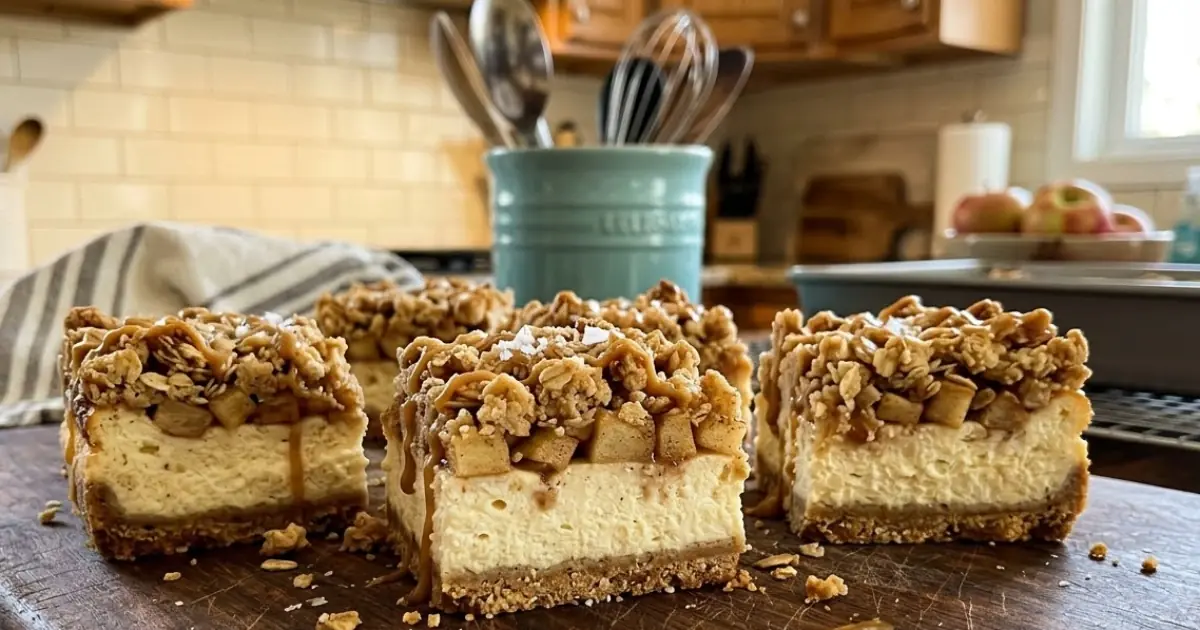
Salted Caramel Apple Crumble Cheesecake Bars – Creamy, Buttery & Loaded with Cozy Apple Pie Flavor
The Fighter Shoved the Quiet Dad to the Ground — Then Mocked Him in Front of His Daughter
The Billionaire Laughed at the Old Man’s Plea — Then Told Him, “There’s Nothing You Can Do.”
Eight Armed Men Rode Onto Her Ranch — And Told the Widow to Hand Over the Only Evidence She Had
She Thought the Police Would Take Her Side After Smashing His Window — She Was Dead Wrong
HOA Karen Kept Driving Through My Fence — Then Her Shortcut Backfired
She Humiliated the Quiet Old Mechanic in Front of Everyone — Then She Saw His Tattoo
A Neighbor Broke the Gas Station Window — Then Called 911 and Blamed the Black Owner
They Shoved the Waitress Into the Counter — Then Someone Walked Through the Diner Door
3 Part